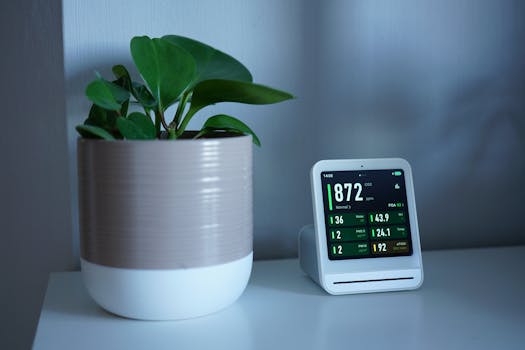
Indoor air quality is a significant health concern, especially as we spend considerable time indoors. One effective way to improve this is by using a CO2 monitor. This device helps track carbon dioxide levels, alerting you when air quality dips and allowing timely measures to improve it.
Understanding the Importance of a CO2 Monitor
A CO2 monitor is an essential tool in managing indoor environmental quality. Carbon dioxide is a common gas in indoor environments, produced by human respiration and burning carbon-based fuels. While it’s generally harmless in small quantities, elevated levels can cause discomfort, reduced concentration, and more severe health issues.
Monitoring indoor CO2 levels becomes even more critical in modern, airtight buildings where fresh air exchange is limited. Keeping a check on these levels using a CO2 monitor can significantly enhance the comfort and safety of indoor spaces.
How CO2 Monitors Work
CO2 monitors detect and display the concentration of carbon dioxide in the air. They often use non-dispersive infrared (NDIR) sensor technology, widely respected for accuracy and reliability. The device assesses CO2 levels and informs users through visual or audible alarms if concentrations exceed predetermined limits.
Benefits of Monitoring Indoor Air Quality
Using a CO2 monitor provides numerous benefits, including:
- Better air quality management by keeping track of CO2 levels.
- Enhanced health and well-being due to reduced exposure to high CO2 concentrations.
- Improved concentration and productivity in settings like schools and offices.
- Supporting energy savings by optimizing ventilation systems.
For more insights on how environmental factors impact health, visit our article on the impact of positive environments on heart health.
Choosing the Right CO2 Monitor
When selecting a CO2 monitor, consider factors such as accuracy, ease of use, and connectivity features. Some models offer integration with smart home systems, allowing for real-time data and alerts via smartphones or other devices.
Where to Place Your CO2 Monitor
The effectiveness of a CO2 monitor largely depends on its placement. It should be located in areas where people spend significant time, such as living rooms, classrooms, or offices. Avoid placing the monitor near doors, windows, or vents, as this can lead to inaccurate readings. Ideally, position it at breathing height for most accurate results.
External Experts on Indoor Air Quality
For comprehensive guidelines and information on indoor air quality, the EPA’s resources on indoor air quality provide valuable insights into maintaining healthy indoor environments.
Understanding CO2 Levels
Carbon dioxide levels vary in different environments and circumstances. Outdoors, the typical CO2 level is about 400 parts per million (ppm). In indoor environments, levels up to 1000 ppm are generally considered acceptable. However, higher concentrations can indicate inadequate ventilation and pose various health risks such as headaches and drowsiness.
Take Action with a CO2 Monitor
Investing in and utilizing a CO2 monitor can significantly contribute to the improvement of your indoor air quality. Regular checks and taking corrective actions can lead to a healthier and more productive living or working space. Remember, using a CO2 monitor helps you stay informed and proactive against indoor air quality issues.
- CO2 monitors help maintain safe indoor air quality levels.
- Properly placed monitors give the most accurate readings.
- Choosing the right monitor involves evaluating features and accuracy.
- Timely interventions can prevent discomfort and enhance well-being.
Frequently Asked Questions
What are normal CO2 levels indoors?
Normal indoor CO2 levels range from 400 ppm to 1000 ppm. Levels higher than this may indicate insufficient ventilation.
Can CO2 monitors detect other gases?
Most CO2 monitors are specifically designed to measure carbon dioxide levels. However, some models may also detect other gases or have additional features for comprehensive air quality monitoring.
Is a CO2 monitor necessary for homes?
CO2 monitors are beneficial, especially in homes with poor ventilation or where airtight construction might limit air exchange. They help ensure a healthy living environment.
How often should I check the CO2 levels?
CO2 levels should be regularly monitored, especially in frequently used spaces. Most monitors provide real-time data that can be checked as needed.
Are CO2 monitors easy to install?
Yes, most CO2 monitors are user-friendly and easy to install. They typically only require placement in key areas to start providing beneficial data.