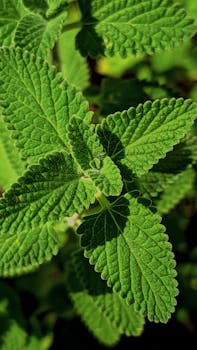
The search for natural herbal remedies has led many to explore the mint tree and its promising health attributes. Among the potent features of this plant are its potential anti-inflammatory properties, digestive benefits, and aromatic uses, which are turning heads in natural health circles. In this article, we will delve into the many facets of mint tree benefits, shedding light on how this plant might support your well-being.
Exploring Mint Tree Benefits
The mint tree, often overshadowed by its more famous cousin, the peppermint bush, is a lesser-known species celebrated for a myriad of health possibilities. It stands out as a powerhouse of traditional medicine, especially for its potential in soothing digestion and supporting respiratory health. Here, we’ll explore some of the standout benefits that may tie back to the mint tree’s unique properties.
Digestive Health
Mint is traditionally renowned for aiding digestion. The oil extracted from the mint tree contains compounds that may help relax the digestive tract muscles, potentially offering relief from indigestion and bloating. Historically, teas made from mint leaves have been consumed post-meal to promote digestive comfort. This time-tested remedy is still relevant today, as many people find that mint infusions can aid digestion.
Respiratory Support
The aromatic scent of mint is not just refreshing—it may also provide respiratory relief. Compounds in mint oil might assist in opening airways, providing a natural way to alleviate congestion during cold and allergy seasons. While more clinical studies are needed to confirm these uses, inhaling mint-infused steam or using vapor rubs containing mint extracts can often provide temporary relief.
Potential Anti-inflammatory Effects
Anti-inflammatory properties are among the most researched aspects of the mint tree. Specifically, the plant is studied for its potential to reduce inflammation, which could be beneficial in managing conditions characterized by inflammation, such as arthritis. While current research is promising, consulting a healthcare provider for personalized advice is always recommended.
Mental Alertness and Stress Relief
Many proponents of aromatherapy regard mint’s scent as invigorating and stress-relieving. Research suggests that mint aroma may enhance mental alertness, reduce stress, and improve cognitive function. This makes mint not only an addition to culinary delights but also a potential tool for mental clarity and stress management strategies.
Rich in Antioxidants
Antioxidants play a crucial role in protecting the body from oxidative stress, a condition linked to various chronic diseases. The mint tree’s leaves are found to contain antioxidants that may help protect cells from damage, promoting overall health. Including mint as part of a diverse diet rich in plant-based foods can be an effective way to fortify the body’s defenses.
For more information on how plant-based diets can contribute to long-term health, you might find this article on plant-based diets and practical tips particularly enlightening.
The Broader Context of Mint Tree Use
Apart from individual health benefits, the mint tree is also woven into the fabric of cultural and culinary practices worldwide. Its rich aroma and flavor make it a staple in teas, dishes, and even as a natural air freshener. This multi-functional plant is indeed a gift of nature with both practical and potential therapeutic applications.
For more detailed information, you can explore the health page on Wikipedia, which provides a broader context on how plants contribute to human health.
In conclusion, mint tree benefits traverse beyond mere tradition to offer potential health support that modern science is beginning to explore more deeply. Whether you’re seeking a natural remedy for digestive issues, looking to ease respiratory discomfort, or interested in the soothing scent of mint for stress relief, this plant’s varied uses might just complement your wellness journey.
- The mint tree may aid digestion and can be used in herbal teas.
- It provides potential respiratory relief through its aromatic profile.
- Mint tree exhibits anti-inflammatory properties under study for broader health applications.
- The scent of mint may bolster mental alertness and reduce stress.
- This plant is rich in antioxidants, supporting overall health.
FAQ
What are the primary benefits of the mint tree?
The mint tree may support digestion, offer respiratory relief, have anti-inflammatory effects, enhance mental alertness, and provide antioxidative properties.
How can the mint tree help with respiratory issues?
The aromatic compounds in mint may help to open airways and alleviate congestion, particularly during cold or allergy seasons.
Is consuming mint tree leaves safe for everyone?
While generally considered safe, individual allergies or sensitivities can occur, and it’s always best to consult a healthcare professional before adding new herbs to your regimen.
Can mint tree be used in cooking?
Yes, mint is versatile in culinary uses, providing flavor and freshness in many dishes, teas, and desserts.
Are there any side effects of using mint tree products?
Side effects are rare but can include allergic reactions or digestive issues in some individuals. It’s advisable to consult with a healthcare provider for personalized advice.