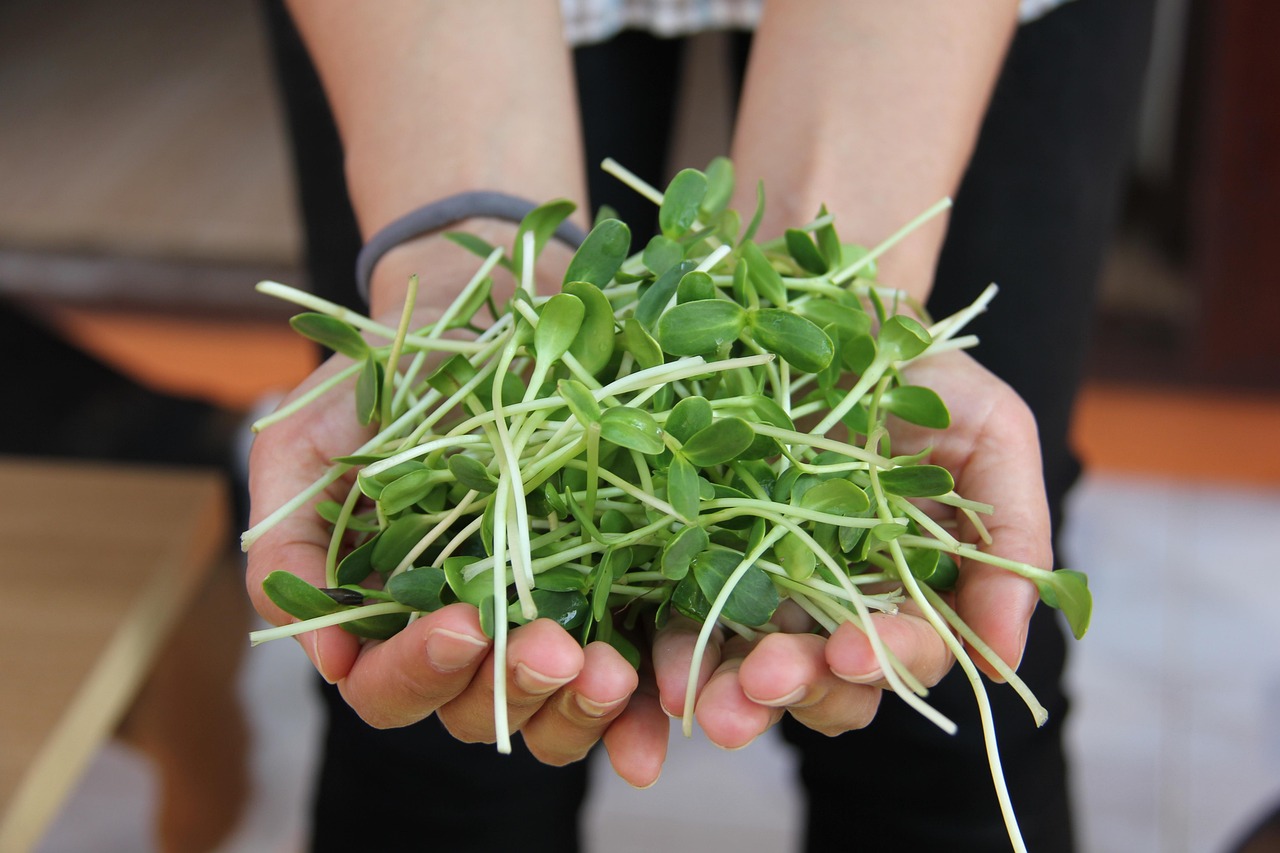
Tiny sprouts may not look impressive, but their nutritional value tells a different story. What if a small green shoot could deliver a concentrated source of nutrients that is easier for your body to use than the seed it came from? That is one reason sunflower sprouts have gained attention as a superfood.
These young greens are highly nutrient-dense, providing a rich combination of vitamins, minerals, protein and beneficial plant compounds that support overall health. Many people start with sunflower sprouting seeds because the sprouting seed experts at Nature Jim’s Sprouts say they’re easy to grow and transform quickly into vibrant, nutrient-rich greens.
What is the difference between unsprouted sunflower seeds and sprouted sunflower seeds in terms of nutrition?
The main difference is what happens during germination. Unsprouted sunflower seeds store nutrients to support future growth. Once sprouting begins, natural enzymes become active and start breaking down stored nutrients into simpler forms.
This process improves nutrient availability and can make them easier to digest. Sprouting also reduces compounds like phytic acid and tannins that limit mineral absorption. While unsprouted seeds are still nutritious and provide healthy fats, fiber and protein, sunflower sprouts offer a more active nutritional profile.
In short, sprouted sunflower seeds provide many of the benefits of sunflower seeds while offering nutrients in forms that are generally easier for the body to utilize.
What specific vitamins, minerals and other compounds make sunflower sprouts so beneficial?
Sunflower sprouts contain an impressive range of nutrients that contribute to their reputation as a superfood. Key nutrients include:
· Plant-based protein that supports muscle maintenance and tissue repair
· Essential amino acids, which are the building blocks of protein
· Important vitamins, including vitamin C, vitamin E, folate and several B vitamins
· Valuable minerals such as magnesium, zinc, iron, phosphorus, potassium and selenium
·://www.medicalnewstoday.com/articles/318652#what-they-are”>free-radical damage. The combination of protein, vitamins, minerals and antioxidants makes sunflower sprouts one of the most nutrient-rich foods you can grow at home.
How does the sprouting process enhance the bioavailability and concentration of nutrients in sunflower seeds?
Sprouting triggers several natural changes that improve nutritional quality. One important change is the reduction of phytic acid. This naturally occurring compound can bind to minerals, making them harder to absorb. As phytic acid levels decline during germination, minerals such as zinc, magnesium and iron become more available.
The sprouting process also activates enzymes that break down proteins and carbohydrates into simpler compounds. This produces more accessible amino acids and may improve digestion.
In addition, certain vitamins increase during germination, particularly vitamin C and some B vitamins. These changes help explain why sprouts are often considered more nutritionally efficient than unsprouted seeds.
What are the key health benefits associated with regularly consuming sunflower sprouts?
The nutrient profile of sunflower sprouts supports several important aspects of health.
· Immune system support: Vitamin C, zinc, selenium and various antioxidants help support normal immune function and protect cells from oxidative stress.
· Better digestion: The sprouting process breaks down complex compounds, making nutrients easier to digest and absorb. This can support overall digestive health.
· Healthy energy production: B vitamins, plant-based protein and essential minerals help support energy metabolism and normal cellular function.
· Skin health: Vitamin E and other antioxidants help protect skin cells from environmental stressors while supporting a healthy appearance.
· Cellular maintenance: The combination of amino acids, minerals and antioxidants helps support tissue repair and overall cellular health.
How can sunflower sprouts be easily incorporated into daily meals and snacks?
Adding sunflower sprouts to your diet is simple because their mild, nutty flavor pairs well with many foods. Here are some of the ways the sprouting experts at Nature Jim’s Sprouts recommend enjoying sunflower sprouts:
· Add them to salads for extra texture and nutrition
· Layer them into sandwiches and wraps
· Blend them into smoothies
· Sprinkle them over soups after cooking
· Mix them into grain bowls and vegetable dishes
· Add them to avocado toast or whole-grain crackers
Since sunflower sprouts are typically eaten fresh, they fit naturally into raw food nutrition while also complementing many cooked meals.
Wrapping up
Despite their small size, sunflower sprouts are exceptionally nutrient-dense. They provide valuable vitamins, minerals, plant-based protein, amino acids and powerful antioxidants that support overall wellness.
The sprouting process enhances nutrient availability and digestibility, making these young greens a smart addition to a healthy diet. Whether added to salads, smoothies or sandwiches, this versatile superfood offers an easy way to increase the nutritional quality of everyday meals.
If you are interested in learning how to sprout seeds at home, you can benefit from guidance shared by the sprouting seeds experts at Nature Jim’s Sprouts.