Image Source: Unsplash
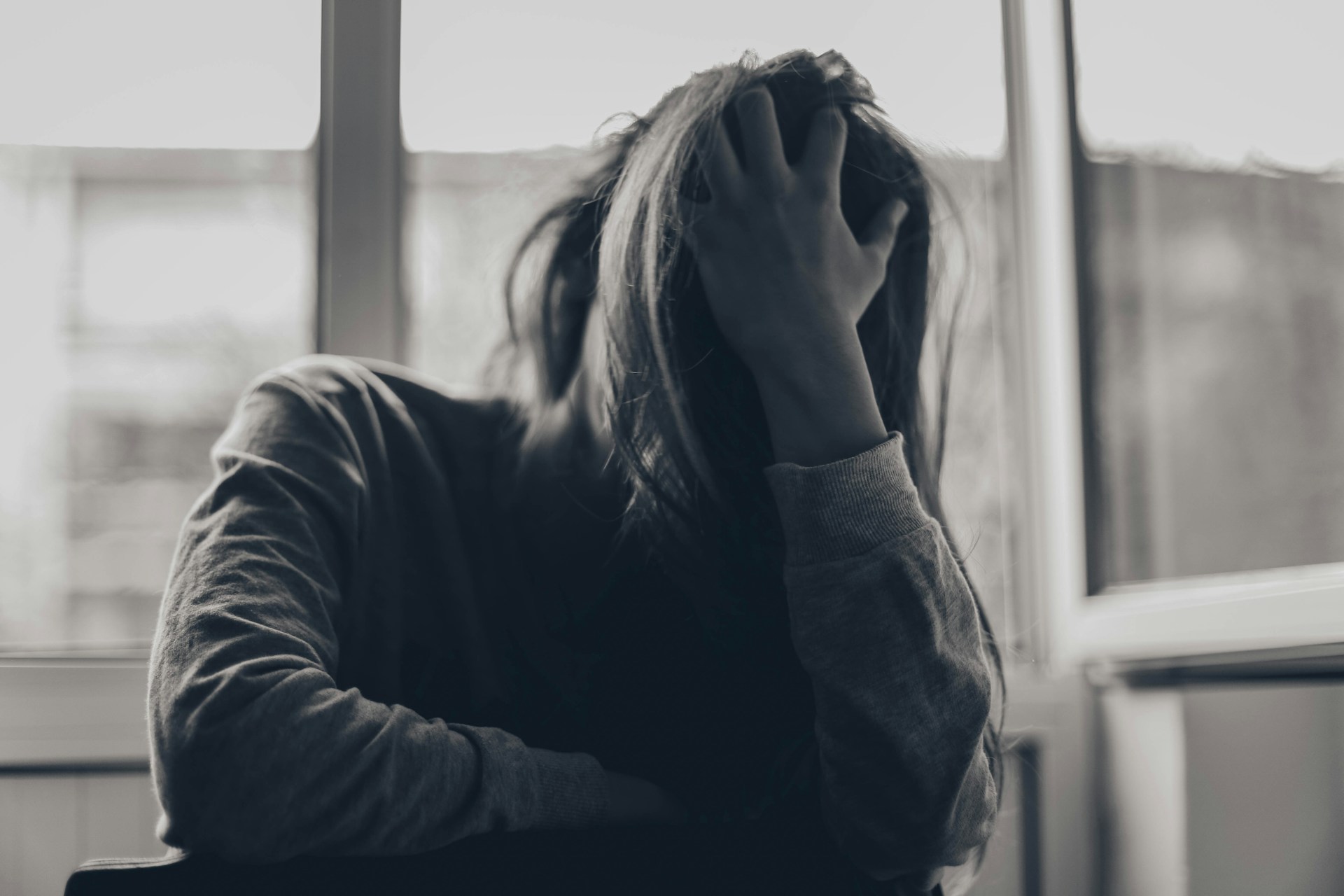
The house is quiet, the day is winding down and suddenly, an unsettling feeling begins to creep in. Your heart races, your thoughts become overwhelming and being alone makes everything feel worse.
Experiencing anxiety when alone does not mean you are unusual or helpless. While those feelings can become particularly intense without someone nearby to offer reassurance, there are proven anxiety relief strategies to calm your body, manage your thoughts and regain a sense of control. This article explores practical ways to deal with anxiety when alone.
Why does anxiety often feel worse when I’m by myself?
Anxiety can feel worse when you’re alone because there are fewer distractions to interrupt worrying thoughts. Without conversations or activities to occupy your attention, you may become more aware of physical sensations, negative thoughts and imagined threats.
For some people, being alone triggers fears of having a medical emergency, losing control or being unable to get help. Previous traumatic experiences, loneliness and fear of abandonment can also contribute. This can create a cycle: you notice a physical sensation, interpret it as dangerous, become frightened and experience even stronger anxiety.
Understanding this pattern is important. Feeling anxious when alone does not necessarily mean you’re in danger. It may be your nervous system responding to a perceived threat rather than an immediate one.
What immediate steps can I take to calm down when anxiety strikes when I’m alone?
When anxiety strikes, focus on calming your body and bringing your attention back to the present. Try these self-soothing techniques:
· Slow your breathing: Breathe gently through your nose for four seconds, then exhale for six seconds. Repeat for a few minutes without forcing your breath.
· Use grounding techniques: Try the 5-4-3-2-1 method. Identify five things you see, four you feel, three you hear, two you smell and one you taste.
· Relax your muscles: Release tension in your jaw, shoulders, hands and legs. Progressive muscle relaxation can also help ease physical tension.
· Change your surroundings: Turn on a light, move to a comfortable room or play calming music.
·.
How can I distinguish between general anxiety and a panic attack when I’m without support?
General anxiety usually develops gradually and involves persistent worry, nervousness, restlessness or difficulty concentrating. You may feel uneasy for hours, especially when you’re worried about uncertain situations or can’t get help.
A panic attack, however, tends to come on suddenly and involves an intense wave of fear. Common symptoms include:
· Racing or pounding heartbeat
· Sweating, trembling or dizziness
· Shortness of breath or chest discomfort
· Nausea or a feeling of choking
· Fear of losing control or dying
Panic attacks typically reach their peak within minutes, although some symptoms may last longer.
Are there proactive measures I can take to prevent anxiety from escalating when I’m alone?
Yes. According to the certified mental health therapists at Davis Behavioral Health, coping with anxiety alone becomes easier when you establish healthy routines and prepare for difficult moments.
·; Limit stimulants: Reduce caffeine if it increases nervousness or triggers physical anxiety symptoms.
· Practice mindfulness for anxiety: Spend a few minutes daily observing your thoughts and breathing without judging yourself.
· Prepare an anxiety plan: Keep emergency contacts, calming activities and grounding exercises accessible.
· Build confidence gradually: Start with short periods alone and gradually increase the time as you become more comfortable.
Practicing these relaxation techniques regularly can make them easier to use when anxiety kicks in.
When should I consider seeking professional help for anxiety that worsens when I’m alone?
Consider speaking to a licensed provider, such as the certified mental health therapists at Davis Behavioral Health, for early prevention and care when anxiety regularly interferes with your sleep, work, relationships or everyday activities. Professional support is particularly important if you experience frequent panic attacks, avoid leaving people or places because of fear or feel unable to spend time alone.
Cognitive behavioral therapy (CBT) is an evidence-based treatment that helps identify and change unhelpful thought patterns and behaviors. Depending on your symptoms, a healthcare professional may also discuss medication or other treatment options.
When you feel at risk of harming yourself or cannot keep yourself safe, seek immediate help from emergency services or a trusted person.
Final words
Managing anxiety by yourself takes practice, and using simple coping strategies can help you feel more in control. However, if anxiety continues to affect your daily life, professional support can help you navigate persistent symptoms and feel safer in your own company.