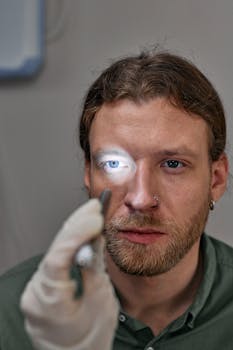
Unilateral ptosis is a condition characterized by the drooping of one eyelid. Understanding unilateral ptosis causes is crucial as it could be indicative of underlying health issues. Whether it occurs suddenly or gradually, recognizing the signs and potential causes can help in seeking appropriate medical attention.
Understanding Unilateral Ptosis Causes
The drooping of one eyelid, also known as unilateral ptosis, can stem from various causes. Primarily, it is associated with muscular, neurological, and physiological factors. Muscular causes may involve the levator muscle, responsible for lifting the eyelid, losing strength or function. Neurological factors include issues with the cranial nerve that controls eyelid movement. Trauma or surgical complications can also lead to unilateral eyelid ptosis.
Another cause of unilateral ptosis is aging. As we age, our eyelids may naturally droop due to the weakening of the muscles and the skin’s elasticity decreasing. This process is normal but can sometimes be exacerbated by underlying medical conditions.
Different Types of Ptosis
Ptosis can be categorized into different types based on its cause and the number of eyelids affected. Understanding these classifications is essential for proper diagnosis and treatment. Bilateral ptosis involves both eyelids and shares many causes with unilateral ptosis, such as muscular dystrophies and neurological diseases.
Furthermore, reverse ptosis refers to the lifting of an eyelid, creating an uneven appearance. This condition is rare but can occur due to surgical procedures or certain medical treatments. Identifying the type of ptosis is critical in determining the correct treatment approach.
Role of the Cranial Nerve in Eyelid Function
The cranial nerves play a significant role in eyelid function, particularly the third cranial nerve, known as the oculomotor nerve. Ptosis of the eyelid cranial nerve malfunctions can lead to drooping, as this nerve is responsible for controlling muscles involved in eyelid elevation. Neurological examinations and imaging tests often help identify nerve-related issues leading to ptosis.
How Unilateral Ptosis Affects Vision
Persistent unilateral ptosis can significantly impact vision. The drooping eyelid may cover part of the pupil, leading to restricted sight. This can result in headaches and tiredness from constantly trying to keep the eyelid open. Over time, individuals may develop habits such as tilting their heads to see better, affecting posture and causing discomfort.
Medical Evaluations and Treatments
Diagnosing the cause of unilateral ptosis often involves a combination of physical examinations and imaging tests. Doctors may recommend MRI or CT scans to assess any underlying neurological or muscular issues. Blood tests might also be suggested to rule out systemic diseases contributing to the condition.
Treatment options for unilateral ptosis vary based on the identified cause. In cases where it’s due to muscle weakness, surgery might be considered to tighten the eyelid muscles. If a neurological disorder is the cause, addressing the underlying condition typically helps in managing symptoms. It’s essential to consult a healthcare provider for a comprehensive evaluation and personalized treatment plan.
Preventive Measures and Lifestyle Adjustments
While some causes of unilateral ptosis, such as genetics or neurological diseases, are unavoidable, maintaining a healthy lifestyle may help minimize risks. Regular exercise, a balanced diet, and routine eye check-ups are essential in promoting overall eye health. Patients should also be aware of their skincare routines, as some eco-friendly skincare practices prioritize overall wellbeing.
Adopting these lifestyle changes can contribute to healthier skin and potentially reduce the chances of developing severe ptosis or other eye conditions over time.
Conclusion
Understanding unilateral ptosis causes is vital for early diagnosis and effective treatment. Recognizing the underlying factors can guide individuals in taking proactive measures and seeking medical advice promptly. If you notice persistent drooping in one of your eyelids, it is advisable to consult a healthcare professional for an accurate diagnosis and appropriate treatment options. For more detailed information on ptosis, consider visiting Wikipedia.
- Unilateral ptosis is the drooping of one eyelid with various possible causes.
- It can stem from muscular, neurological, or age-related factors.
- Medical evaluation is crucial for proper diagnosis and treatment.
- Lifestyle adjustments may help minimize risks.
- Consult a healthcare professional for personalized advice.
What is the primary cause of unilateral ptosis?
The primary causes of unilateral ptosis include muscular weakness, neurological issues, and sometimes trauma or surgical complications.
How is unilateral ptosis diagnosed?
Doctors diagnose unilateral ptosis through physical examinations, imaging tests like MRI or CT scans, and possibly blood tests to determine any underlying conditions.
Can unilateral ptosis be treated?
Yes, treatment options are available depending on the cause. They range from surgical interventions to manage muscle issues to addressing underlying neurological conditions.
Is unilateral ptosis a common condition?
While it is not the most common condition, unilateral ptosis can occur in individuals of any age, particularly as they get older or if they have specific health issues.
Are there preventive measures for unilateral ptosis?
Preventive measures include maintaining a healthy lifestyle, following good skincare practices, and regular eye check-ups, which might help reduce the risk of developing severe ptosis.