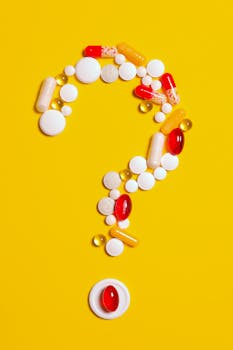
Managing diabetes involves a multifaceted approach, including monitoring blood sugar levels, maintaining a healthy diet, and regular exercise. A vital component often considered is the use of vitamins for diabetics. Nutritional supplements might play a role in supporting overall health and potentially aiding in blood sugar control. This article delves into various vitamins and supplements that may benefit those managing diabetes.
Vitamins for Diabetics
Vitamins can be a valuable adjunct in the management of diabetes. Some vitamins and nutrients have properties that can help with components of diabetes care, such as improving insulin sensitivity or helping the body use glucose more effectively. It’s essential to integrate these with a medically supervised plan.
1. Vitamin D
Vitamin D is crucial for overall health, and emerging research suggests it may help with glucose metabolism. Sunlight exposure and certain fortified foods can provide vitamin D. Some studies suggest it may be among the best glucose lowering supplements considered by health professionals.
2. Vitamin B1 (Thiamine)
Thiamine is important for converting carbohydrates into energy. Some research indicates that individuals with diabetes might have lower levels of thiamine, suggesting a potential benefit in supplementing with this vitamin for better blood sugar control.
3. Vitamin B12
Vitamin B12 supports nerve health, which is especially important for diabetics to prevent neuropathy. Ensuring adequate intake through diet or supplements can aid in maintaining nerve function and health.
4. Magnesium
Magnesium is involved in over 300 biochemical reactions in the body, including glucose control. Foods rich in magnesium can be good glucose control supplements, helping the body maintain balanced blood sugar levels naturally.
5. Chromium
Chromium has been studied for its role in enhancing insulin effectiveness. While not a cure, it may serve as a blood glucose control supplement, potentially alleviating some aspects of glucose metabolism.
Herbs and Natural Supplements
Alongside vitamins, certain herbs to reduce blood sugar are being researched for their potential benefits. While these should not replace traditional therapies, they can complement a comprehensive diabetes management plan under the guidance of a healthcare provider.
Cinnamon
Cinnamon is commonly cited as one of the best blood sugar supplements. It may improve insulin sensitivity, promoting better glucose metabolism and offering support as a natural supplement to lower blood sugar.
Bitter Melon
Bitter melon is traditionally used in various cultures for its glucose-lowering properties. Some consider it one of the more promising herbs to lower blood sugar due to its effects on glucose utilization.
Fenugreek
Fenugreek seeds are believed to help control blood sugar levels. This herb may be an effective supplement for diabetes, especially when integrated into a diet rich in fiber.
Aloe Vera
Aloe vera has shown potential in reducing blood glucose levels. It’s an interesting natural supplement to explore for those looking for herbal support in managing diabetes.
Gymnema Sylvestre
Known as the “sugar destroyer,” gymnema sylvestre has properties that may help lower sugar absorption, making it another candidate for supplements to lower glucose levels.
Safety and Considerations
While vitamins and herbs may offer support, it’s critical to consult with a healthcare provider before starting any new supplements. They can help ensure that supplements do not interfere with existing medications or diabetes management plans. Examining the risks and benefits is crucial for safe supplementation.
Integrating Supplements Wisely
Incorporating supplements within a personalized treatment plan under professional guidance is key. Consider a variety of options alongside lifestyle modifications as part of a holistic approach to managing diabetes.
For More Information
For more insights into managing diabetes with lifestyle changes, check out our comprehensive guide on diabetes management.
In wrapping up, exploring vitamins for diabetics can broaden the scope of diabetes care, potentially enhancing quality of life when used appropriately and in conjunction with other strategies.
- Vitamins and herbs can support diabetes management but should be used under professional guidance.
- Vitamin D and B vitamins play key roles in glucose and nerve health.
- Herbs like cinnamon and gymnema may help maintain blood sugar levels.
- Consult healthcare providers before starting any new supplement regime.
- Proper supplementation can complement a holistic diabetes management plan.
What are the best vitamins for diabetics?
Some of the best vitamins include Vitamin D, Vitamin B1, and Vitamin B12 for their roles in metabolism and nerve health.
Can supplements help lower blood sugar levels?
Supplements might help, particularly when used alongside other treatments and lifestyle changes. Consultation with a healthcare provider is necessary.
Are there natural ways to manage diabetes with supplements?
Yes, certain herbs like cinnamon and gymnema show promise in supporting natural blood sugar management.
Is it safe to take vitamins and supplements for diabetes?
It can be safe if taken under medical supervision to ensure no adverse interactions with current treatments.
How can I learn more about diabetes management?
To learn more, visit credible healthcare resources or consult with healthcare professionals for personalized advice.