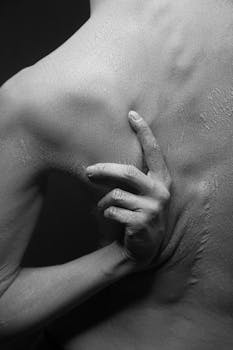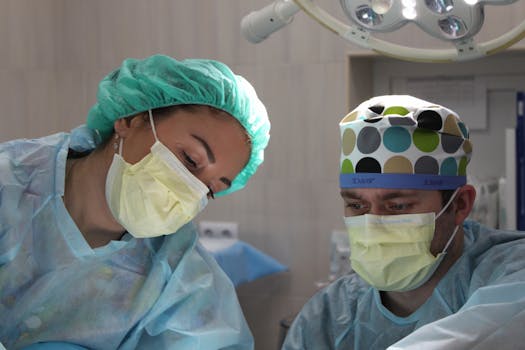
Undergoing cosmetic surgery, such as a tummy tuck, is a significant decision that comes with the hope of positive transformations. However, some people experience a bad tummy tuck, leading to unexpected and sometimes distressing results. Whether due to surgical errors, improper healing, or unrealistic expectations, a poor outcome can affect both physical appearance and emotional well-being.
Understanding a Bad Tummy Tuck
A bad tummy tuck typically refers to undesirable outcomes following the surgery. These results may include uneven contouring, visible scarring, or other aesthetic issues that fall short of the patient’s expectations. It is important to recognize that each individual’s experience will vary based on numerous factors including the surgeon’s skill, the patient’s health, and post-operative care.
Common Causes of Unsatisfactory Tummy Tuck Results
Several factors can contribute to bad tummy tuck results. One of the primary reasons is the skill level of the surgeon. Choosing an inexperienced or improperly trained surgeon increases the risk of complications and unsatisfactory outcomes. Patients should thoroughly research and select a board-certified plastic surgeon with a proven track record.
Additionally, individual healing processes can play a significant role in the final results. Some people may develop excessive scar tissue or experience poor wound healing, which can affect the aesthetics of the tummy tuck.
Recognizing the Signs of a Bad Tummy Tuck
There are several indicators that a tummy tuck may not have met expectations. Common signs can include:
- Asymmetrical abdominal appearance
- Excessive or misplaced scarring
- Persistent pain or discomfort
- Unexpected bulging or irregularities
Recognizing these signs early can help in addressing issues through follow-up consultations or corrective surgery if necessary.
Emotional and Psychological Impact
The emotional and psychological impact of a bad tummy tuck should not be underestimated. Many patients may experience feelings of regret, anxiety, or depression if their physical results do not align with their expectations. Seeking support through counseling or support groups can be beneficial for psychological healing.
Seeking Correction for Bad Tummy Tuck Results
If you believe you have experienced a bad tummy tuck, consulting your surgeon for a thorough evaluation is crucial. In some cases, corrective surgery may be necessary to achieve the desired results. This could involve procedures such as scar revision, liposuction, or additional contouring techniques.
Patients should discuss all possible corrective options and their associated risks. It’s vital to have realistic expectations and understand that complete satisfaction may not always be achievable, but improvement is often possible.
Prevention and Choosing the Right Surgeon
Preventing unsatisfactory tummy tuck results begins with choosing a qualified, experienced surgeon. Here are some steps to consider:
- Research multiple potential surgeons and review their credentials.
- Examine before-and-after photos of previous patients.
- Read patient reviews and request referrals if possible.
- Have a thorough consultation to discuss your goals and concerns.
For further insights on selecting cosmetic procedures, explore our guide on the latest breakthroughs in skincare technology.
Post-Operative Care and Recovery
Proper post-operative care is crucial in achieving the best possible outcome from a tummy tuck. Adhering to the surgeon’s recommendations for wound care, activity levels, and follow-up visits can prevent complications and support optimal healing.
Patients should keep in mind the importance of maintaining a healthy lifestyle, including a balanced diet and regular exercise, as these factors can also influence the longevity of the tummy tuck results.
Moving Forward After a Bad Tummy Tuck
Experiencing a bad tummy tuck can be challenging, but taking proactive steps can help in finding a resolution. Consulting with experienced professionals and considering corrective options are pivotal. Additionally, addressing any emotional impacts through therapy or support groups is vital for holistic recovery. For comprehensive information on health interventions and education, you can refer to credible resources like this overview on health.
- A “bad tummy tuck” refers to unsatisfactory surgical outcomes.
- Choose experienced, board-certified surgeons to minimize risks.
- Emotional support is essential for recovery.
- Corrective surgery may be an option for improving results.
- Post-operative care is crucial for optimal healing and outcomes.
What can cause a bad tummy tuck?
A bad tummy tuck can result from poor surgical technique, individual healing variances, or unrealistic patient expectations. Other factors may include inadequate post-operative care or complications that develop during recovery.
How can I improve the results of my tummy tuck?
If you are dissatisfied with your tummy tuck results, consult with your surgeon to explore corrective procedures. Also, maintain a healthy lifestyle to optimize healing and maintain your appearance over time.
What should I look for in a tummy tuck surgeon?
When selecting a tummy tuck surgeon, look for board certification, experience, and positive patient reviews. Verify their track record with similar procedures, and ensure you feel comfortable discussing your goals and concerns with them.
Are there emotional effects from a bad tummy tuck?
Yes, experiencing a bad tummy tuck can lead to emotional distress, including anxiety and depression. It’s important to seek counseling or join support groups to help cope with these feelings.
Is corrective surgery always needed after a bad tummy tuck?
Not all cases of unsatisfactory tummy tuck results require corrective surgery. Sometimes, issues may resolve with time or non-invasive treatments. Always consult with a qualified professional to determine the best course of action.