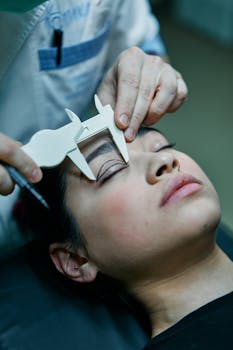
The visual field test for eyelid surgery plays a crucial role in assessing whether this procedure is medically necessary for patients experiencing issues with their peripheral vision due to drooping eyelids. This test not only helps determine candidacy for surgery but also aids in planning the most effective surgical approach. Understanding its significance can enhance both patient outcomes and satisfaction.
What is a Visual Field Test for Eyelid Surgery?
A visual field test for eyelid surgery evaluates the full horizontal and vertical range of what a person can see around them while focusing on a central point. This is essential for identifying any vision loss that may indicate the need for eyelid surgery, especially when excess skin and tissue from the eyelids obstruct the patient’s field of vision. The test results are crucial for healthcare providers to determine if the surgery will be functionally beneficial to the patient.
Pros of a Visual Field Test for Eyelid Surgery
There are several advantages to undergoing a visual field test if eyelid surgery is being considered:
- Accurate Diagnosis: The test provides a clear picture of the extent of vision obstruction, facilitating accurate diagnosis of the underlying issue.
- Insurance Coverage: Many insurance companies require proof from a visual field test to cover reconstructive eyelid surgery. This documentation can be essential for coverage approval.
- Improved Outcomes: By identifying the specific areas where vision is obstructed, the surgery can be tailored for maximum effectiveness, ensuring improved postoperative results.
Cons and Considerations
While beneficial, there are considerations and potential drawbacks associated with the visual field test:
- Time Requirement: The test can be time-consuming, requiring the patient to focus on a task for an extended period.
- Cost Implications: If not covered by insurance, the cost of the test can be a downside for some patients.
- Stress and Anxiety: Patients may experience anxiety during the procedure, particularly if they feel pressured to perform well on the test.
The Process of a Field Vision Test for Eyelid Surgery
The field vision test for eyelid surgery is straightforward yet comprehensive. Patients are required to look straight ahead and indicate, usually via a button press, when they detect the appearance of light stimuli in their peripheral vision. This enables the ophthalmologist or optometrist to map out areas of decreased vision.
Interpreting the Results
Understanding the results of a visual field test can be intricate. The test results are often shown in a diagram called a visual field plot, highlighting the full scope and pattern of vision loss. A healthcare professional will analyze these results to assess if the eyelids contribute to vision impairment, guiding the decision towards surgery. If you want to learn more about innovative health and beauty procedures, check out our article on the latest breakthroughs in skincare technology.
Who Should Consider a Field Vision Test?
This test is recommended for individuals experiencing difficulty with their peripheral vision, which may affect activities such as driving or reading. Additionally, those who have eyelids that descend into their field of visualization, regardless of age, might benefit from this evaluation to determine if surgical intervention could avert further vision problems.
Results and Aftercare for Eyelid Surgery
Post-surgery, patients often report significant improvement in their vision, particularly peripheral sight. A follow-up visual field test is typically conducted to document these enhancements and confirm the success of the surgery. Recovery involves instructions from the healthcare provider on eye care, including avoiding strenuous activities and adhering to prescribed medications or ointments to aid the healing process.
Conclusion
The visual field test for eyelid surgery is a pivotal step in ensuring that those with obstructed vision from drooping eyelids receive the appropriate care and potential surgical options. Not only does it help clinicians plan an effective surgical strategy, but it also provides patients with the assurance that their vision concerns are being addressed comprehensively. For further in-depth reading about similar topics, the comprehensive details available on Health may be helpful.
- A visual field test is crucial for assessing vision obstruction from drooping eyelids.
- Results help determine the need for and guide eyelid surgery.
- The test is often necessary for insurance to cover surgical costs.
- Improved vision, especially in peripheral areas, is a common outcome post-surgery.
- Consultation with a healthcare provider is recommended for personalized advice.
What is the purpose of a visual field test?
The visual field test is designed to map a person’s complete area of vision, focusing on detecting any deficiencies that might indicate visual impairment due to eyelid issues.
How long does a visual field test take?
The duration of a visual field test can vary but generally takes between 15 to 30 minutes per eye. It’s important to allow enough time for accurate results.
Will my insurance cover the visual field test?
Many insurance plans cover the visual field test when it is deemed necessary to evaluate vision impairments that impact daily life. It’s best to check with your provider for specific coverage details.
Can visual field tests detect other eye problems?
Yes, visual field tests can also help detect other conditions such as glaucoma, retinal diseases, and neurological problems that might be affecting vision.
What are the next steps after receiving test results?
After receiving your test results, your healthcare provider will discuss potential surgical options if significant obstruction is detected. Postoperative care and follow-up tests will be advised to monitor improvement.