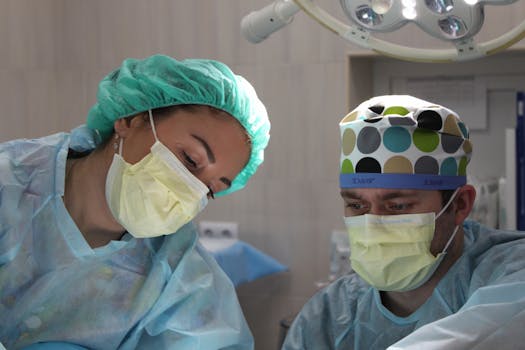
Recovering from surgery can be a daunting process, filled with concerns about healing and potential complications. One common worry among patients is how to prevent scar tissue after surgery. Understanding the nature of scar tissue and implementing expert-recommended strategies can be instrumental in minimizing its formation.
How to Prevent Scar Tissue After Surgery
Scar tissue forms as part of the body’s natural healing process. When skin or tissue is damaged, the body produces fibers to close the wound, resulting in a scar. While scarring is a normal part of healing, there are ways to minimize its development and appearance. Proactive steps can be taken to address both external scars and internal scar tissue after surgery.
Post-surgery care plays a crucial role in minimizing scarring. Following your healthcare provider’s instructions can significantly impact your healing process. Here are some factors to consider:
1. Proper Wound Care
Managing the wound correctly can lessen scar formation. Keep the incision clean and dry, and regularly change dressings as advised by your healthcare provider. Refrain from picking at scabs as they form, since disturbing them can increase scarring.
2. The Role of Nutrition
Consuming a balanced diet rich in vitamins and proteins supports the body’s healing process. Vitamins C and A, zinc, and collagen are particularly beneficial in reducing scar tissue formation. Hydration is equally crucial, so drink plenty of water to keep your skin and tissues supple.
3. Avoiding Sun Exposure
Limit sun exposure to new scars. The ultraviolet rays can darken and thicken scars, making them more noticeable. Use a high SPF sunscreen if you need to be in the sun, or wear protective clothing over the healed area.
4. Massage and Physical Therapy
Once cleared by your healthcare provider, massaging the healed area can help soften scar tissue and improve flexibility. Physical therapy can also aid in reducing stiffness and hard scar tissue, enhancing recovery, especially after surgeries such as elbow or ankle procedures.
5. Use of Silicone Products
Silicone sheets or gels are often recommended to minimize scars. They hydrate the skin, reducing scar size and height. Over time, silicone can also help to soften scar tissue and alleviate any discomfort associated with scar tightness.
6. Implementing Compression Therapy
Compression garments are sometimes prescribed after surgery to minimize swelling and support scar management. They work by applying pressure to the scar, which can reduce its formation and appearance over time.
7. Consulting with Your Healthcare Provider
If you are concerned about scarring, discuss your options with your healthcare provider. They may recommend treatments, such as steroid injections or laser therapy, depending on your surgical site and healing progress.
Understanding and Reducing Internal Scar Tissue
Unlike external scarring, internal scar tissue after surgery can lead to complications, such as adhesions. These occur when scar tissue binds organs or tissues that typically aren’t connected, potentially causing pain or restricted movement. Techniques similar to external scar management, such as proper hydration, nutrition, and physical therapy, can also apply to reducing internal scarring risks.
Staying informed and actively involved in your post-operative care can make a significant difference. For in-depth insights on the role technology plays in skincare, consider exploring our article on skincare technology innovations.
Taking these preventive steps can equip you with the knowledge of how to prevent scar tissue after surgery and support a smoother, more effective recovery journey.
FAQ: Expert Answers to Your Questions
Does scar tissue get hard?
Yes, scar tissue can sometimes harden as it matures. This happens as collagen fibers thicken to strengthen the repair. Massaging the area or seeking physical therapy can help alleviate hardness over time.
How to reduce scarring after surgery?
Following your surgeon’s aftercare instructions is crucial. Keep the area clean and hydrated, avoid direct sunlight, and consider using silicone sheets. Engage in gentle massage, if advised, to promote healing and improve flexibility.
How to cover a scar after elbow surgery?
Once the wound has healed, using concealers or cosmetic camouflage products designed for scars can help cover them effectively. Discuss suitable options with a dermatologist for personalized recommendations.
How do I minimize scarring after surgery?
To minimize scarring after surgery, address factors like diet, hydration, protection from UV exposure, and follow approved wound care practices. Consulting with your healthcare provider can provide tailored strategies based on your specific surgical needs.
How to prevent scar tissue after surgery?
Avoid rushing into activities that might stress the site, stay hydrated, maintain a balanced diet rich in healing nutrients, protect the area from the sun, and reach out to healthcare professionals for personalized advice.
Takeaways
- Maintain proper wound care to decrease scar formation.
- Nutritious diet and hydration support recovery.
- Protect scars from sun exposure to prevent darkening.
- Gentle massage and physical therapy can improve scar flexibility.
- Consulting healthcare providers ensures personalized post-operative care.
For more detailed information on how scars form and ways to manage them, you can visit the health section of Wikipedia for additional resources. As always, it’s essential to follow your healthcare provider’s recommendations and reach out with any concerns you might have during your recovery process.