
Table of Contents
Understanding Migraines and Ozempic
Ozempic, the brand name for semaglutide, has surged in popularity as a game-changer for type 2 diabetes management and weight loss. By mimicking natural incretin hormones, this GLP-1 receptor agonist helps regulate blood sugar levels and curb appetite, often leading to significant health improvements. However, like many medications, it comes with potential side effects, including headaches and migraines that affect some users. For those managing migraine symptoms on ozempic, understanding these challenges is key to maintaining treatment benefits while prioritizing comfort.
At its core, Ozempic works by signaling the body to produce more insulin after meals and slowing digestion, which stabilizes glucose and promotes satiety. Clinical trials reveal that headaches occur in about 8% of users, particularly during the initial adjustment phase, as noted in health resources like Healthline’s overview of Ozempic side effects. These semaglutide neurological side effects may manifest as tension headaches or even full-blown migraines due to changes in blood flow or dehydration from reduced appetite. The question of Can Ozempic Cause Migraines arises from these brain-related impacts of semaglutide, where neurological responses play a role in symptom onset for 10-15% of individuals early on. Experts highlight that such effects often subside as the body adapts, but tracking personal experiences remains crucial.
This guide explores the underlying causes of these issues and offers practical strategies for ozempic headache relief and handling headaches during Ozempic treatment. From lifestyle tweaks to when to consult a doctor, you’ll gain tools for better symptom control. Always discuss concerns with your healthcare provider to tailor your approach and ensure safe, effective use.
Basics of Ozempic and Its Side Effects
Ozempic, a prescription medication primarily used for type 2 diabetes management and weight loss, contains semaglutide as its active ingredient. This injectable drug belongs to the class of GLP-1 receptor agonists, which mimic hormones that regulate blood sugar and appetite. Administered once weekly via subcutaneous injection, Ozempic helps lower blood glucose levels and promotes gradual weight reduction by influencing metabolic processes. Patients typically start at a low dose of 0.25 mg to minimize initial discomfort, with gradual escalation to 1 mg or higher based on response and tolerance. Understanding these basics empowers individuals to approach treatment with informed expectations, especially regarding potential disruptions to daily life.
Delving deeper, semaglutide works by binding to GLP-1 receptors in the pancreas, intestines, and brain, stimulating insulin release while suppressing glucagon. This action slows gastric emptying, allowing food to stay in the stomach longer and signaling the brain to reduce hunger. Such semaglutide neurological side effects can subtly influence cognitive functions through altered hunger cues and energy metabolism. By enhancing feelings of fullness, Ozempic supports sustained portion control and better glycemic control. Clinical insights highlight how these incretin effects mimic natural hormones to curb appetite effectively, reducing overall caloric intake without drastic dietary overhauls. This mechanism not only aids diabetes control but also contributes to cardiovascular benefits observed in long-term studies, though individual responses vary widely.
As patients adapt to Ozempic, common side effects emerge, often prompting questions about managing migraine symptoms on ozempic. Gastrointestinal issues dominate initial experiences, but neurological symptoms warrant attention too. Primary side effects include:
- Nausea and vomiting, peaking in the first weeks as the body adjusts to slowed digestion.
- Diarrhea or constipation, linked to changes in gut motility.
- Headaches, which affect about 14% of users and may stem from dehydration due to reduced fluid intake during meals; for insights into why does ozempic give headaches, explore targeted causes why does ozempic give headaches.
- Dizziness or fatigue, often tied to blood sugar fluctuations.
- Migraines, potentially triggered by vascular changes, stress from appetite shifts, or electrolyte imbalances during dose escalation.
Risk factors like rapid dose increases or pre-existing conditions amplify these, but many subside over time. Teasers for ozempic headache relief involve hydration strategies and gradual adjustments, while Ozempic-related head pain strategies emphasize monitoring triggers.
Clinical trials provide valuable context for these side effects, drawing from large-scale studies where thousands of participants tracked adverse events over months. Data from sources like WebMD’s Ozempic details reveal patterns in frequency and persistence, helping predict user experiences. The following table compares gastrointestinal and neurological categories based on such trial outcomes:
| Side Effect Category | Examples | Frequency (%) | Duration |
|---|---|---|---|
| Gastrointestinal | Nausea, vomiting, diarrhea | 50-70 | First few weeks |
| Neurological | Headaches, migraines, dizziness | 5-15 | Dose-dependent, up to months |
This comparison underscores how gastrointestinal effects are more prevalent but often short-lived, whereas neurological ones like semaglutide brain impacts occur less frequently yet may linger, necessitating proactive monitoring. Neurological effects require specific attention because they can disrupt focus and quality of life, particularly for those with migraine histories, unlike the self-resolving GI symptoms. Interpreting these stats, users with vulnerability to head pain should prioritize hydration and consult providers during escalation, building a foundation for deeper exploration of mitigation techniques.
Beyond the table, individual variability plays a key role; health history, hydration levels, and concurrent medications influence severity. While most adapt within weeks, persistent semaglutide neurological side effects highlight the need for personalized approaches in symptom management.
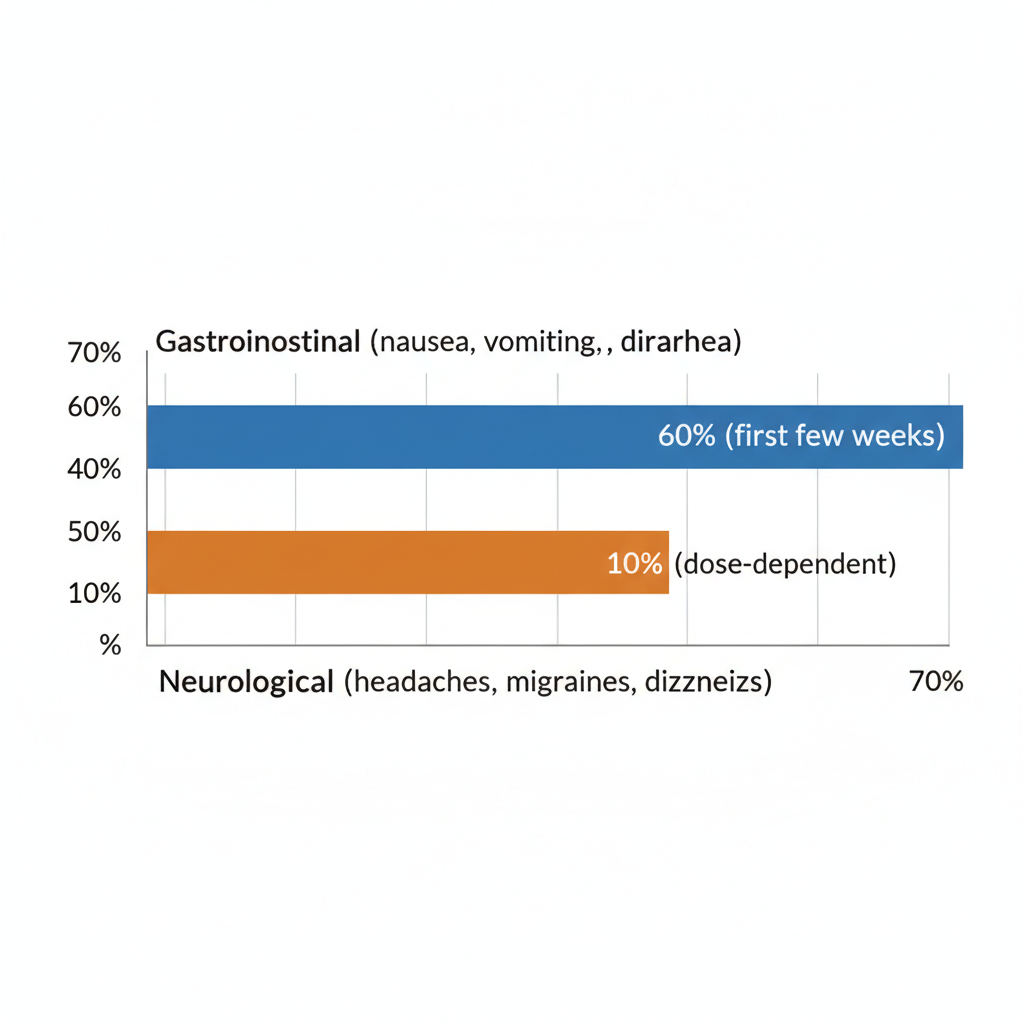
Common Ozempic side effects frequency comparison chart
This visual reinforces trial insights, showing the disparity in occurrence rates. With gastrointestinal issues far outpacing neurological ones, yet the latter demanding tailored strategies like those for managing migraine symptoms on ozempic, patients gain clarity on expectations. Transitioning forward, a deeper dive into neurological specifics will unpack advanced Ozempic-related head pain strategies and long-term considerations.
Exploring Ozempic Migraine Mechanisms
Semaglutide, the active ingredient in Ozempic, is a glucagon-like peptide-1 (GLP-1) receptor agonist primarily used for managing type 2 diabetes and weight loss. While effective, it can influence the central nervous system in ways that contribute to migraines for some users. This section explores the underlying mechanisms, drawing from clinical insights into how semaglutide interacts with brain signaling and physiological processes. By understanding these pathways, individuals can better recognize potential triggers and seek appropriate support, though this information is for educational purposes only and not a substitute for professional medical advice.
Neurological Pathways Involved
Semaglutide’s ability to cross the blood-brain barrier allows it to directly interact with neural structures, particularly in the hypothalamus, which regulates appetite and energy balance. This interaction can lead to semaglutide neurological side effects, such as altered neurotransmitter activity. For instance, changes in serotonin levels, a key modulator of pain perception and vascular tone, may heighten migraine susceptibility. Serotonin pathways in the brain help control mood and sensory processing; disruptions from GLP-1 agonists like semaglutide could amplify pain signals, mimicking the aura or throbbing pain associated with migraines.
Additionally, vascular effects play a role in these semaglutide-induced neural responses. GLP-1 receptors are present on blood vessels, where activation promotes dilation to improve circulation. However, this vasodilation might trigger migraine cascades in sensitive individuals, as it echoes the cerebral blood flow changes seen in classic migraine pathophysiology. Clinical observations suggest that these effects are more pronounced during initial treatment phases, when the body adjusts to the drug’s influence on brain signaling. Studies on GLP-1 drugs indicate that up to 5-10% of users report headache-related issues, underscoring the need for monitoring neural responses.
While the exact mechanisms remain under investigation, these pathways highlight how Ozempic can inadvertently affect pain pathways, offering clues for future research into migraine prevention.
Understanding these neurological pathways provides a foundation for addressing broader influences on migraine occurrence. This insight is crucial when considering strategies for managing migraine symptoms on ozempic, as it bridges the gap to individual risk factors explored next.
Factors Influencing Migraine Onset
Several elements can exacerbate the likelihood of migraines while on Ozempic, including dose-related triggers, dehydration, and personal predispositions. Higher doses of semaglutide often correlate with increased gastrointestinal side effects like nausea and vomiting, which can lead to fluid loss and subsequent dehydration–a common migraine catalyst. Individuals with a pre-existing history of migraines may be particularly vulnerable, as their neural systems are already primed for pain responses. Migraine triggers from GLP-1 drugs such as Ozempic appear more frequently in women and those with hormonal sensitivities, potentially due to interactions with estrogen fluctuations.
Episode patterns, often termed Ozempic Migraine Episodes, tend to cluster around dose escalations or after meals when the drug’s peak effects align with daily stressors. For ozempic headache relief, early recognition of these patterns is essential, though options like hydration and rest can provide temporary alleviation. Prevalence data from clinical trials show migraine reports in about 8% of participants, higher among those with baseline headache disorders.
Many migraine triggers overlap between general causes and those linked to Ozempic, yet the drug introduces unique elements that demand tailored management. Shared factors like stress or hormonal shifts can amplify Ozempic’s effects, while drug-specific issues such as GI-induced dehydration or GLP-1 vascular changes create distinct challenges. This comparison underscores the importance of distinguishing routine migraine instigators from medication-related ones to refine treatment approaches.
| Trigger Type | General Migraines | Ozempic-Related | Management Difference |
|---|---|---|---|
| Hormonal | Stress, hormones | GLP-1 hormonal modulation | Track cycles and adjust timing |
| Dehydration | Environmental factors | GI effects from nausea | Hydrate proactively with electrolyte solutions |
| Vascular | Blood pressure changes | GLP-1 induced shifts | Monitor dose escalation closely |
| Serotonin | Dietary triggers | Neural signaling alterations | Consider serotonin-stabilizing supplements under guidance |
| Dose-Related | N/A | Rapid titration | Gradual increases with symptom logging |
| Predisposition | Family history | Migraine-prone individuals | Pre-treatment screening for risks |
This table, informed by clinical references on Ozempic’s profile, illustrates how Ozempic-specific triggers differ from typical ones, emphasizing proactive strategies like slower dose ramps or concurrent hydration protocols. Tailored approaches, such as integrating lifestyle adjustments with medical oversight, can mitigate these risks and support overall well-being. For those experiencing persistent issues, consulting a healthcare provider for personalized ozempic headache relief plans is recommended, ensuring safe navigation of semaglutide’s benefits alongside potential neurological side effects.
Strategies for Managing Ozempic Headaches
For individuals navigating the challenges of Ozempic treatment, managing migraine symptoms on ozempic becomes a key focus to maintain daily comfort and adherence to therapy. These headaches often stem from semaglutide neurological side effects, such as dehydration linked to gastrointestinal responses or blood sugar fluctuations. This section provides actionable strategies to alleviate head pain on semaglutide, starting with simple everyday techniques and progressing to broader options. By implementing these steps, users can reduce the intensity and frequency of symptoms effectively.
Everyday Relief Techniques
Hydration stands as a cornerstone in ozempic headache relief, particularly since Ozempic can contribute to dehydration through nausea or reduced appetite. Medical experts recommend aiming for at least eight glasses of water daily to counteract this risk. For instance, one user shared how incorporating electrolyte-enhanced drinks helped prevent afternoon headaches during the initial weeks of treatment. Staying hydrated not only flushes out potential toxins but also supports overall brain function, reducing the likelihood of tension building up.
Rest techniques offer another vital layer of defense. When symptoms arise, dimming the lights and applying a cool compress to the forehead can provide immediate soothing. Lie down in a quiet room for 15-20 minutes, focusing on deep breathing to relax tense muscles. These methods address semaglutide neurological side effects by promoting recovery and interrupting the headache cycle. For more severe instances, tracking ozempic migraine episodes through a journal helps identify patterns, allowing for proactive adjustments.
Lifestyle adjustments further enhance these efforts. Establish a consistent sleep routine, targeting seven to nine hours nightly, as poor rest exacerbates headaches. Incorporate short walks in fresh air to boost circulation without overexertion. Small changes, like avoiding screens an hour before bed, can make a significant difference. As one guideline notes, “Stay hydrated to mitigate headache risks,” emphasizing prevention over reaction. These first-line approaches empower users to manage symptoms independently, fostering a sense of control amid treatment.
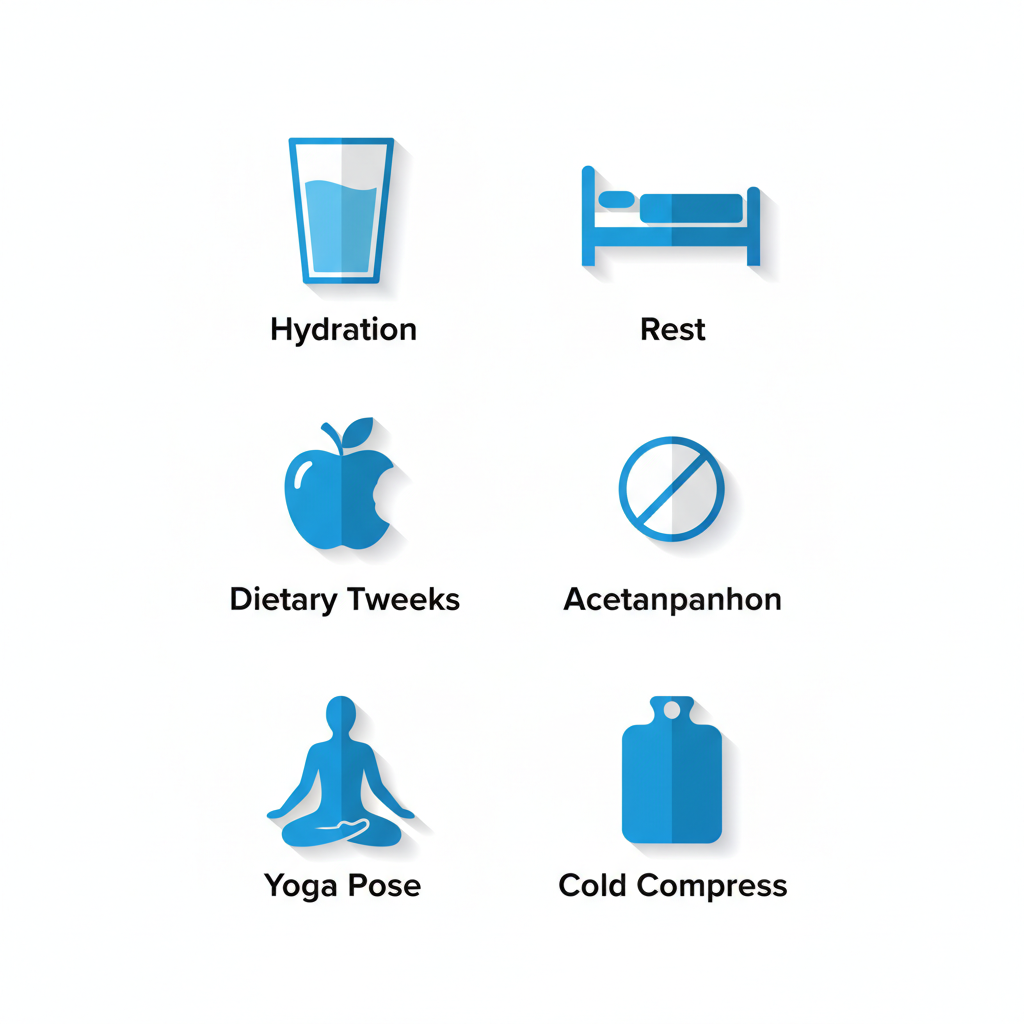
Visual icons for everyday Ozempic headache relief techniques
Building on these basics, users often find that combining rest with hydration yields quicker results. For example, pairing a 10-minute meditation session after drinking water can calm the nervous system, addressing root causes tied to medication adjustments. This gradual implementation ensures sustainability, turning relief into a habitual routine that supports long-term wellness on Ozempic.
Over-the-Counter and Lifestyle Options
When everyday techniques need supplementation, over-the-counter and lifestyle options provide targeted support for those experiencing Ozempic-related headaches. Safety remains paramount, especially given potential interactions with semaglutide. Acetaminophen is generally preferred for pain relief, as it poses fewer gastrointestinal risks compared to other analgesics. Always consult a healthcare provider before starting any new medication, particularly if symptoms persist beyond mild discomfort.
Dietary tweaks play a crucial role in non-medication migraine aids for GLP-1 users. Opt for small, frequent meals rich in magnesium, such as nuts and leafy greens, to stabilize blood sugar and prevent headache triggers. Avoid common culprits like caffeine excess or processed foods, which can worsen dehydration. One practical tip is preparing balanced snacks like yogurt with berries to maintain steady energy levels throughout the day.
Non-drug therapies expand these strategies further. Gentle yoga poses, like child’s pose, improve blood flow and reduce stress, while acupuncture sessions targeting headache points offer evidence-backed relief. Studies suggest these methods can decrease migraine frequency by up to 50% in responsive individuals. Integrating such options creates a holistic approach, complementing Ozempic’s benefits without added pharmacological load.
The following table compares key relief methods, drawing from clinical insights on efficacy and safety for Ozempic users:
| Method | Description | Pros | Cons/Safety Notes |
|---|---|---|---|
| Ibuprofen | NSAID for pain relief | Quick relief, accessible | GI risks with Ozempic; use sparingly |
| Acetaminophen | Pain reliever without anti-inflammatory effects | Gentle on stomach, effective for mild pain | Liver monitoring needed with frequent use |
| Hydration + Rest | Increased water intake and sleep routines | No interactions, preventive | Requires consistency for best results |
| Dietary Tweaks | Small meals, trigger avoidance | Supports overall health, easy to implement | May need trial and error to identify triggers |
| Yoga | Gentle poses for stress reduction | Improves circulation, non-invasive | Not suitable for acute severe episodes |
| Acupuncture | Needle therapy on pressure points | Long-term reduction in frequency | Seek licensed practitioner; variable insurance coverage |
This comparison highlights how pharmacological choices like acetaminophen balance speed with safety, while non-drug approaches emphasize prevention. As referenced in health resources, NSAIDs warrant caution due to heightened stomach sensitivity on Ozempic, underscoring the need for personalized guidance.
For optimal outcomes, consider combining methods, such as pairing acetaminophen with hydration during peak symptom times. Track responses in a symptom diary to refine your routine, and discuss persistent issues with your doctor for tailored advice. These strategies not only address immediate relief but also promote sustained well-being, empowering users to thrive despite potential side effects.
Advanced Migraine Management on Ozempic
For individuals experiencing persistent headaches while taking Ozempic, advanced management focuses on optimizing treatment through dose adjustments and professional guidance. Many users find relief as the body adapts, but ongoing symptoms require proactive steps. Building on basic strategies, this section explores when symptoms might linger and how to address them effectively.
Symptoms like headaches often peak during the initial weeks of Ozempic use, typically in weeks 1-4, as noted in dosing guidelines. They usually subside after 4-8 weeks once the dose stabilizes, allowing the body to adjust to semaglutide. Slow titration–starting at a low dose and gradually increasing–helps minimize intensity. For instance, beginning with 0.25 mg weekly and ramping up over months reduces the likelihood of severe reactions. If headaches persist beyond this period, it may signal the need for intervention. Monitoring frequency and triggers, such as stress or dehydration, supports better control.
The following table outlines dose adjustment impacts on headaches, drawing from clinical observations on titration effects:
| Scenario | Headache Frequency | Intervention | Expected Outcome |
|---|---|---|---|
| Initial Dose | High (weekly migraines) | Slow Titration | Reduces by 50% |
| Persistent Symptoms | Ongoing | Doctor Consultation | Potential switch or add-on |
This comparison highlights how gradual changes can lead to significant ozempic headache relief. After adjustments, track improvements over two weeks; if no change, escalate care. When to act: Consult a doctor if headaches exceed 10 days monthly or disrupt daily life, ensuring safe progression.
Safe medication choices are crucial for managing migraine symptoms on Ozempic. Acetaminophen offers reliable relief without major interactions, unlike NSAIDs that may affect gastrointestinal tolerance. Avoid triptans or strong vasoconstrictors without medical advice, as they could compound semaglutide neurological side effects like dizziness or brain fog, which affect about 5-10% of users. Consult your doctor before adding any over-the-counter remedies to prevent complications.
Reporting neurological symptoms is essential; discuss persistent issues, including can ozempic cause migraines, during check-ins. Advanced strategies for semaglutide headaches may include anti-migraine prophylactics like beta-blockers or CGRP inhibitors, prescribed for prolonged neural effects management. Use this checklist for tracking:
- Log headache duration, intensity (1-10 scale), and triggers daily.
- Note dose changes and response after 7-10 days.
- Report vision changes, severe nausea, or confusion immediately.
This approach empowers users to navigate challenges reassuringly, addressing common concerns like dizzy spells with timely professional input.
Frequently Asked Questions on Ozempic Migraines
This FAQ on Ozempic head issues addresses key concerns for managing migraine symptoms on ozempic effectively.
Does Ozempic commonly cause migraines? No, migraines aren’t universal with Ozempic; only about 5-10% of users report headaches, per Healthline data. Persistent cases warrant medical consultation to rule out other factors.
How can I prevent migraines during dose ramps? Start with slow titration as prescribed, maintaining consistent meal timing. Quick tips for semaglutide symptoms include avoiding triggers like caffeine fluctuations to minimize onset during early weeks.
What role does hydration play in ozempic headache relief? Adequate hydration–aim for 8-10 glasses daily–helps alleviate dehydration-linked headaches. Pair with electrolyte balance for better ozempic headache relief and overall comfort.
Are semaglutide neurological side effects like dizziness common? Dizziness and brain fog affect roughly 2-5% of users, often transient. Monitor and report severe instances, as they rarely indicate serious issues but ensure safe adjustment.
How rare are severe neurological events with Ozempic? Severe events like prolonged migraines are extremely rare, under 1% incidence. Focus on symptom tracking and provider input for peace of mind.
Key Takeaways for Ozempic Migraine Management
Ozempic offers significant benefits for diabetes and weight management, though semaglutide neurological side effects like migraines may arise initially. Most users find these symptoms, including the need for ozempic headache relief, improve over time with proactive steps. Wrapping up semaglutide impacts, key strategies include staying hydrated, monitoring doses, and discussing concerns with your doctor.
- Prioritize hydration and consistent dosing to ease headaches.
- Track symptoms and consult professionals for personalized advice.
- Remember, 90% of users continue treatment with managed side effects, leading to positive outcomes.
Final thoughts on Ozempic head management empower you to navigate treatment confidently. For more on managing migraine symptoms on ozempic, always seek medical guidance.
