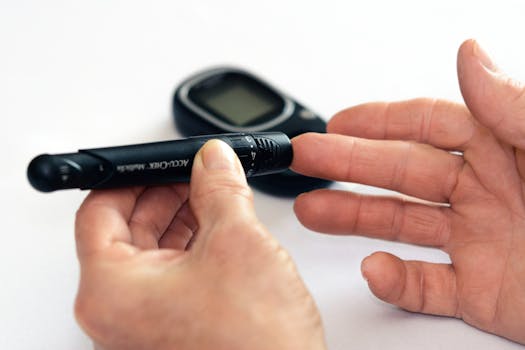
Understanding the variations in blood sugar levels is crucial for maintaining the health and well-being of a child, whether they have diabetes or not. A child blood sugar levels chart offers a practical tool for parents, caregivers, and healthcare providers to monitor glucose levels and ensure a child’s optimal health. Knowing what to expect and how to interpret these levels can help in early detection and management of potential blood sugar-related issues.
Understanding the Child Blood Sugar Levels Chart
A child blood sugar levels chart displays the range of blood glucose levels considered normal or healthy for children at various ages and circumstances. These charts can vary slightly depending on factors like age, the presence of diabetes, and individual medical recommendations. Typically, such charts are used by parents, guardians, and healthcare professionals to establish and maintain healthy monitoring habits.
Normal blood sugar for a 2-year-old without diabetes typically ranges from 70 to 100 mg/dL when fasting. It’s important to remember that these numbers might differ slightly based on individual health conditions and doctor recommendations.
Why Monitor Blood Sugar Levels?
Monitoring blood sugar levels in children is essential, especially if there is a family history of diabetes or if the child has been diagnosed with diabetes. Proper monitoring helps to:
- Assess how well the child’s body manages glucose.
- Identify hypoglycemia or hyperglycemia and provide timely intervention.
- Track the effectiveness of dietary and lifestyle changes.
- Enable informed discussions with healthcare providers.
For those dealing with Type 1 or Type 2 diabetes, regular testing is part of ongoing diabetes management. For a comprehensive guide on managing these conditions, refer to our ultimate guide on Type 1 and Type 2 diabetes treatments.
Components of a Blood Sugar Levels Chart
Most child blood sugar levels charts include specific sections that cover:
- Age-appropriate ranges: Variances based on the child’s age ensure the data is relevant.
- Fasting blood sugar levels: Often checked in the morning after an overnight fast.
- Post-meal levels: Measured about two hours after eating to determine how well the body processes glucose from food.
- Bedtime levels: Help in assessing nocturnal glucose stability.
How to Use the Child Blood Sugar Levels Chart
Utilizing a blood sugar levels chart involves consistent monitoring and documentation of glucose levels during different times of the day. Here’s a step-by-step guide:
- Regular Testing: Use a reliable glucose meter. Follow the provider’s instructions regarding test frequency and optimal times.
- Documenting Results: Record results immediately on the chart. This practice helps in noticing patterns over time.
- Consulting Healthcare Providers: Regularly review the recorded data with a healthcare professional to adjust dietary plans or treatment as needed.
- Addressing Anomalies: If persistent high or low readings occur, seek medical advice promptly.
Printable Charts and Resources
Parents and guardians can access printable blood sugar level charts from reputable health organizations or medical sources. These charts are beneficial for home use and facilitate easy tracking. For comprehensive educational resources, various government and educational sites provide downloadable materials. For a reliable resource, consider visiting this Wikipedia page on health.
Conclusion
A child blood sugar levels chart is an invaluable tool for maintaining a child’s health, whether for general wellness monitoring or managing diabetes. By understanding and utilizing these charts effectively, parents and caregivers can ensure that children’s blood sugar levels remain within a healthy range.
- Understanding blood sugar levels is critical for all children, especially those with diabetes.
- Charts provide valuable guidance for monitoring and managing these levels.
- Consistent monitoring and health professional consultations are key for maintaining health.
- Printable resources are available for easy tracking and usage.
FAQ
What is the normal blood sugar level for a 2-year-old without diabetes?
A normal blood sugar level for a 2-year-old without diabetes is typically between 70 and 100 mg/dL when fasting.
How often should I test my child’s blood sugar?
The frequency of blood sugar tests depends on whether your child has diabetes. Consult with a healthcare provider to determine a suitable testing schedule for your child’s needs.
Can I use an adult blood sugar levels chart for my child?
No. Use a child-specific chart, as blood sugar levels vary by age. Ensure you have a chart designed for children.
What should I do if my child’s blood sugar levels are consistently high?
If your child’s blood sugar levels are consistently high, seek medical advice to identify potential causes and appropriate management strategies.
Are there online resources for tracking my child’s blood sugar levels?
Yes, many reputable health organizations and diabetes care websites offer printable charts and digital apps for tracking blood sugar levels.