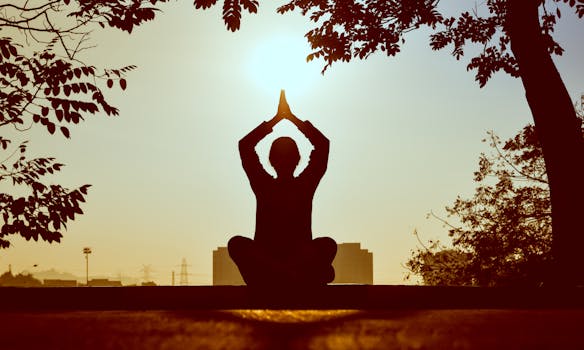
Struggling with anxiety and overthinking can feel overwhelming, but practice like guided meditation for anxiety and overthinking may provide some relief. This article will explain step-by-step techniques and tips to help you develop a calming meditation practice. Guided meditation can serve as a powerful tool for managing anxious thoughts, fostering relaxation, and encouraging emotional well-being.
Benefits of Guided Meditation for Anxiety and Overthinking
Practicing guided meditation can help individuals cope with anxiety and overthinking by promoting relaxation and mindfulness. Meditation encourages you to focus on the present moment, limiting the reach and impact of anxious thoughts. It has also been suggested that regular practice can lower stress levels, enhance emotional regulation, and improve focus.
Understanding How Meditation Helps with Anxiety
One key benefit of guided meditation is its ability to shift your focus away from stressors. During meditation, individuals concentrate on rhythmic breathing or calming visualization, which can reduce the mind’s tendency to dwell on anxious thoughts. This redirection can decrease the severity of overthinking episodes.
The breathing exercises inherent in guided meditation may enhance the parasympathetic nervous system’s activity, which can help relax the body and mind. This relaxation response counters the body’s fight-or-flight mechanism, common in anxiety disorders.
Guided Meditation Techniques
1. Finding a Suitable Environment
Begin by setting up a tranquil environment for your meditation sessions. Choose a space free from distractions and interruptions. This space should be comfortable and quiet, allowing you to focus fully on the practice.
2. Breathing Exercises
Focus on deep, controlled breathing to help calm the mind and body. Inhale deeply through your nose, hold the breath a moment, and exhale slowly. This controlled breathing technique can reduce anxiety by lowering your heart rate and relaxing tense muscles.
3. Visualization Techniques
Visualization can be an effective method to guide your meditation practice. Picture a peaceful landscape or scenario that encourages feelings of tranquility. Engaging with these visual stimuli can distract you from overstimulating thoughts and establish a sense of calm.
4. Body Scanning
Body scanning involves mentally reviewing each part of your body from head to toe, noting any tension or discomfort. Upon identifying these areas, focus on releasing that tension and relaxing each muscle. This technique can help enhance physical and mental awareness while reducing stress.
5. Using Guided Audio Meditations
Utilize audio resources that provide structured meditation guidance. These audio tracks walk you through meditation processes, offering verbal cues and soothing music. They are particularly helpful for beginners who might struggle with maintaining focus.
Incorporating Meditation into Daily Life
Building a routine habit of meditation can be beneficial. Allocate a specific time each day for practice, whether it’s the morning, during lunch, or before bed. Consistency is crucial to experiencing meditation’s full benefits as a tool for managing anxiety and overthinking.
Coupling meditation with other anxiety management techniques can further enhance your results. For additional strategies to manage anxiety symptoms, you can learn more at How to Stop Shaking from Anxiety: What You Need to Know.
Benefits from Scientific Perspective
Research indicates that regular meditation may lead to positive changes in the brain. According to studies, meditation can increase gray matter density in the brain regions associated with memory, emotional regulation, and learning. For more information on the benefits of meditation and how it relates to health, check out this Wikipedia article on Health.
Guided meditation for anxiety and overthinking is not only about finding peace in the moment; it is about fostering long-term resilience against stress. Over time, you may notice a decrease in the frequency and intensity of anxiety and overthinking episodes.
Conclusion
In conclusion, by integrating guided meditation into your routine, you might find relief from the cycle of anxiety and overthinking. Start with short daily sessions and gradually increase the duration as you become more comfortable. Establishing a consistent practice will help you harness the benefits of guided meditation for promoting relaxation and reducing stress in your everyday life.
- Guided meditation may support mental relaxation and help manage anxiety.
- Techniques include breathing exercises, visualization, and body scanning.
- Consistency in practice can lead to better results over time.
- Meditation can increase emotional awareness and regulation.
- Combining meditation with other techniques enhances overall wellness.
FAQ
How long should I meditate to see benefits?
Start with sessions of 5 to 10 minutes daily. As you progress, aim for 20 to 30 minutes per day to reap more robust benefits.
Can guided meditation replace therapy or medication?
Guided meditation is a complementary practice and not a substitute for professional treatment. Always consult a healthcare provider for personalized advice.
What if I can’t clear my mind during meditation?
It’s normal for thoughts to arise during meditation. The goal is to acknowledge those thoughts without judgment and gently return your focus to your breath or chosen technique.
Are there any risks associated with guided meditation?
Guided meditation is generally safe for most people. However, if you experience increased distress or discomfort, consider consulting a mental health professional.
Can I use an app for guided meditation?
Yes, many apps provide guided meditation sessions with a variety of techniques and durations, making it easier to incorporate meditation into your daily routine.