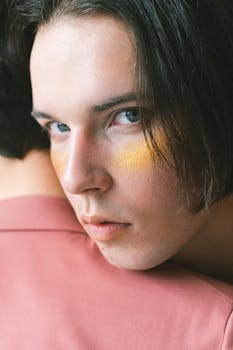
Hooded eyes, characterized by a fold of skin that hangs over the crease, can impact the appearance and even vision in some cases. Whether you are considering how to get rid of hooded eyes or looking for ways to embrace them, understanding how to treat hooded eyes effectively is important. Individuals often seek solutions to enhance or modify the look of their hooded eyelids for both aesthetic and functional reasons.
Understanding and Treating Hooded Eyes
Before diving into treatment options, it’s essential to identify whether you have hooded eyelids. Hooded eyelids can be due to genetics, aging, or both, and they cause the upper eyelid to appear smaller. Treatments available for hooded lids range from non-surgical methods to innovative surgical procedures.
Non-Surgical Treatments for Hooded Lids
For those not looking to undergo surgery, there are several non-surgical options that may help lift hooded eyelids:
- Makeup Techniques: Skillful makeup application can create the illusion of lifted hooded eyes. Using light shades on the eyelid and darker shades in the crease can open up the eyes.
- Eye Exercises: Exercises focusing on strengthening the muscle that lifts the eyelid might help to reduce the appearance of hooded eyelids over time.
- Temporary Lifting Products: Several products, such as eyelid tapes or adhesive strips, are designed to physically lift and hold the eyelid in place temporarily.
Surgical Options for Hooded Brow and Eyelids
For more permanent solutions, some may opt for surgical interventions:
- Blepharoplasty: This common procedure involves removing excess skin and fat to improve vision and appearance. It’s a widely considered solution for how to lift hooded eyelids.
- Brow Lift: Sometimes, surgery on the brow can improve eyelid appearance, as lifted eyebrows can reduce excess skin pressing down on the eyelids.
Regardless of the option, it’s crucial to have thorough discussions with a certified cosmetic specialist to understand the risks, benefits, and expectations. For more information on surgical recovery, consider exploring a detailed resource like what to expect after cosmetic procedures on our site.
Home and Lifestyle Adjustments
Simple lifestyle changes may also aid in addressing hooded eyes:
- Healthy Diet: Maintaining a diet rich in vitamins and antioxidants can support skin health and elasticity.
- Proper Hydration: Ensuring adequate water intake can prevent dehydration, which may exacerbate sagging skin.
- Quality Sleep: Getting enough rest not only reduces puffiness but also keeps your skin looking refreshed and potentially minimizes appearance changes over time.
Incorporating these practices into your routine might contribute to a noticeable difference, although the results can vary significantly between individuals.
FAQs About Hooded Eyes
Are hooded eyes common?
Yes, hooded eyes are quite common and can be found in many ethnicities due to genetic factors. They may also develop as part of the natural aging process.
Can hooded eyelids be prevented?
While genetics play a significant role, maintaining a healthy lifestyle with proper skincare can help minimize the effects of aging and potentially slow the onset of hooded eyelids.
Do hooded eyelids affect vision?
In some cases, severe hooded eyelids can obstruct peripheral vision. If hooded eyelids interfere with sight, it’s advisable to consult with an ophthalmologist or a specialist for potential corrective procedures.
What is eyelid tape, and how does it work?
Eyelid tape is a temporary measure used to lift hooded lids. It adheres to the eyelid, creating a crease and lifting the area to give the appearance of a more open eye. It is a non-surgical and quick approach to treat hooded eyes, suitable for special occasions.
How long does the recovery from blepharoplasty take?
Typically, recovery from blepharoplasty can take from a few weeks to a couple of months, with noticeable improvements occurring once the initial swelling subsides. Always follow the post-operative care instructions provided by your surgeon for optimal results.
What are some professional treatments for hooded eyelids?
Apart from surgical options, there are non-invasive procedures such as Botox or fillers that some choose to explore. These treatments may help lift and rejuvenate the brow and eyelid areas, though they require repetition over time for maintenance. Consulting a professional can help determine the best approach for your situation.
Understanding how to treat hooded eyes involves knowing your options and individual preferences. Whether opting for makeup techniques, lifestyle changes, or surgical intervention, being informed aids in making the best choice for your health and appearance. For more detailed information about eye health and related topics, refer to trusted sources such as this comprehensive resource on health.
- Treat hooded eyes with both surgical and non-surgical methods.
- Makeup and eye exercises can enhance or alter appearance temporarily.
- Consult with specialists for suitable options.
- Maintain a healthy lifestyle for overall skin benefits.
- Consider cosmetic procedures like blepharoplasty for lasting changes.