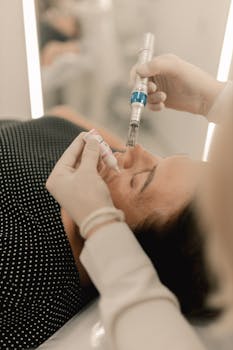
Curious about boosting your skincare routine with something more advanced than serums and creams? Enter microneedling at home, a popular trend that’s gaining traction for its potential benefits in skin rejuvenation. This procedure involves the use of tiny needles to create micro-injuries in the skin, prompting a repair response that can lead to increased collagen production.
What is Microneedling at Home?
Microneedling, traditionally performed in dermatologists’ offices, is now available for home use with specially designed roller devices. These devices allow individuals to perform the procedure on their own. However, it’s crucial to understand if these home treatments can really deliver comparable results to professional sessions.
Home microneedling devices, often called derma rollers, are equipped with tiny needles designed to penetrate the superficial layers of the skin. The concept behind microneedling at home is simple: these tiny punctures stimulate the body’s natural healing process, increasing collagen and elastin production. This can potentially help improve the appearance of acne scars, fine lines, and enlarged pores.
Does Home Microneedling Work?
As with many beauty treatments taken from the clinic to the household, the effectiveness of micro needling at home depends on several factors. The quality of the device, the condition of your skin, and how frequently and carefully you use the derma roller all play roles in the success of this treatment.
Many users report seeing improvements in their skin texture and tone after several sessions. However, it is important to note that these results are typically less dramatic than those achieved with professional treatments. Home devices often have shorter needles and lower skin penetration levels, which might limit their effectiveness compared to clinical equipment.
Benefits of Microneedling at Home
Microneedling at home can offer several benefits, especially if practiced regularly and carefully. Some of these advantages include:
- Increased collagen production, which may help with skin elasticity.
- Improved blood circulation leading to healthier skin appearance.
- Potential reduction in the appearance of fine lines and acne scars.
- Enhanced absorption of topical skincare products.
- Cost-effectiveness compared to in-office treatments.
Clinicians often note that consistency is key; regular and cautious application is essential to achieving the best results. For detailed information on ensuring your skin’s health while following sustainable practices, you might find our guide on eco-friendly skincare beneficial.
Considerations and Precautions
While the at-home approach to microneedling is appealing, it’s not without considerations and potential risks. Proper hygiene and technique are paramount. Using unsterilized or shared devices can lead to infections or skin irritation. Follow the manufacturer’s instructions carefully and ensure your roller is clean and in good condition before each use.
People with certain skin conditions, such as eczema, psoriasis, or open wounds, should seek professional advice before attempting microneedling. Additionally, excessive usage can damage the skin’s barrier, so it’s crucial to adhere to recommended frequencies. Generally, weekly or bi-weekly sessions are suitable for most skin types.
Aftercare for Microneedling at Home
Post-treatment care is crucial to maximize results and minimize any adverse effects. Here’s a basic aftercare routine:
- Gently cleanse your face with a mild, non-irritating cleanser.
- Apply a soothing serum with hydrating and anti-inflammatory properties.
- Avoid harsh chemicals, exfoliants, and direct sun exposure for at least 48 hours.
- Use a broad-spectrum sunscreen diligently to protect your skin.
It’s also wise to monitor your skin for any adverse reactions following microneedling at home. If you experience prolonged redness, irritation, or infection, consult a healthcare provider.
Maximizing the Benefits of Home Microneedling
To make the most out of your at-home microneedling sessions, combine the procedure with a comprehensive skincare regime. Incorporate products rich in hyaluronic acid and peptides to boost hydration and healing. Remember, patience and persistence are critical, as transformative results typically unfold over weeks or months.
Accurate information and the right expectations are vital when embarking on a microneedling journey. For further perspective on microneedling’s history and scientific background, visit this comprehensive Wikipedia article.
Ultimately, microneedling at home could be a valuable addition to your skincare regimen if performed responsibly. By understanding its benefits, limitations, and proper techniques, you can harness its potential to enhance your skin’s appearance gradually and safely.
Takeaways
- Microneedling at home can stimulate collagen production for enhanced skin texture.
- Results may vary, with home treatments generally being less potent than professional sessions.
- Hygiene and regular monitoring of skin reactions are essential to avoid complications.
- Combine with a robust skincare routine for the best cumulative effect.
- Always consult a healthcare provider if uncertain or experiencing adverse effects.
FAQs on Microneedling at Home
Is microneedling at home safe?
When performed with proper precautions and hygiene, microneedling at home can be safe. However, it’s essential to follow the instructions provided with your device and consult with a dermatologist if you have any concerns.
How often should I do microneedling at home?
A common recommendation is to perform microneedling every week or bi-weekly, depending on your skin’s sensitivity and condition. It’s important not to overdo it, as excessive microneedling can lead to irritation or skin damage.
Can microneedling at home help with acne scars?
Some users find that microneedling at home helps reduce the appearance of acne scars over time by promoting collagen production. However, results can vary, and more severe scarring may require professional treatments.
What should I do if my skin reacts poorly after microneedling?
If you experience prolonged redness, irritation, or signs of infection, it’s important to discontinue use and consult a dermatologist. Delayed reactions should be assessed by a healthcare provider.
Are there any side effects to microneedling at home?
Potential side effects include temporary redness, irritation, and, in some cases, minor bruising. Proper technique and aftercare are crucial in minimizing these effects.