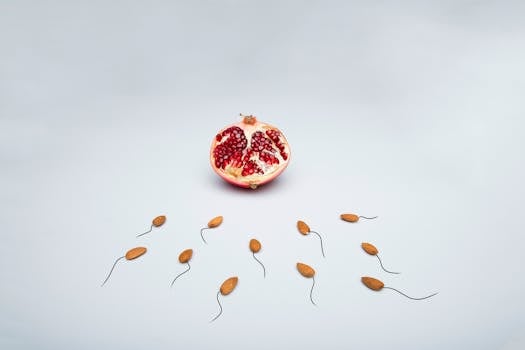
When considering emergency contraception options, such as Plan B, a common concern for many people is whether using it can impact long-term fertility. Specifically, can Plan B make you infertile? This question is understandable, especially for those looking to preserve their reproductive health while making informed choices about contraception.
Can Plan B Make You Infertile?
Plan B, also known as the “morning-after pill,” is an emergency contraceptive designed to prevent pregnancy after unprotected sex or contraceptive failure. It works primarily by delaying ovulation. One of the misconceptions surrounding Plan B is its potential impact on future fertility. However, research and health experts generally agree that there is no evidence to suggest that using Plan B affects long-term fertility. This is the same conclusion reached by credible sources when reviewing emergency contraception’s effects.
Plan B is a safe method for reducing the risk of unwanted pregnancy when used occasionally. It’s important to note that while it is effective in preventing pregnancy, it should not be used as a regular birth control method due to less effectiveness compared to daily contraceptives.
How Does Plan B Work?
Understanding how Plan B works can help alleviate concerns about its effects on fertility. The active ingredient in Plan B is levonorgestrel, a synthetic hormone that prevents ovulation. By stopping or delaying the release of an egg from the ovary, Plan B reduces the chance of pregnancy occurring. Additionally, it may prevent fertilization of an egg or attachment of a fertilized egg to the uterus.
The temporary hormonal changes induced by Plan B do not persist long-term, allowing normal menstrual cycles to resume quickly after its use. There is no biochemical pathway through which Plan B or similar emergency contraceptives damage the reproductive organs or ovaries in a manner that would cause infertility.
What Do Experts Say?
Health professionals and researchers consistently find no link between Plan B and infertility. According to the World Health Organization, emergency contraceptives like Plan B are a safe option that do not adversely impact future fertility in users. Furthermore, the American College of Obstetricians and Gynecologists (ACOG) supports the use of emergency contraception as a safe and effective means of preventing unintended pregnancies without affecting long-term fertility.
For those concerned about the impact of emergency contraceptives on fertility, consulting with healthcare providers can provide personalized guidance and help address any ongoing concerns. It’s also valuable to understand that Plan B is just one aspect of family planning, and various options can be tailored to align with one’s reproductive goals.
Using Plan B Responsibly and Frequently Asked Questions
Though Plan B is a reliable resource for emergency situations, it is not intended to replace regular contraceptive methods. Regular use of Plan B is not advised due to the higher likelihood of irregular menstrual cycles and decreased effectiveness compared to standard contraceptive options. Those seeking regular contraception should consult a healthcare provider for alternatives that best fit their lifestyle and health needs.
For more detailed information on another popular health medication and its implications, consider exploring our article on using Ozempic while pregnant.
Can Plan B Make You Infertile: Final Thoughts
The main takeaway is that Plan B, when used as directed, is an effective way to prevent pregnancy without impacting future fertility. It is designed for emergency use and should not replace routine contraceptive methods. While questions about fertility are common, the scientific consensus is that using Plan B does not lead to infertility.
- Plan B is an emergency contraceptive, not a regular birth control method.
- There is no evidence linking Plan B to infertility.
- Plan B works by delaying ovulation temporarily.
- Regular menstrual cycles typically resume quickly after Plan B use.
- Consult healthcare providers for guidance on contraception.
Is it safe to use Plan B more than once?
Yes, it is safe to use Plan B more than once. However, it is not intended for regular contraceptive use. Frequent or repeated use may lead to menstrual irregularities, and a more consistent contraceptive method is advisable.
How soon after unprotected intercourse should Plan B be taken?
Plan B is most effective when taken as soon as possible after unprotected intercourse, ideally within 72 hours. Its effectiveness diminishes the longer the delay in taking the pill after intercourse.
Are there side effects associated with Plan B?
Some users may experience side effects such as nausea, fatigue, headache, dizziness, or changes in their menstrual cycle. These are typically mild and resolve on their own.
Does Plan B affect the menstrual cycle?
Plan B can temporarily affect the menstrual cycle, potentially causing an earlier or later period than expected. This is a normal response and typically resolves in the next cycle.
Should I consult a doctor before taking Plan B?
While Plan B is available over the counter without a prescription, discussing emergency contraception with a healthcare provider can be beneficial for personalized advice, especially for those with specific health concerns or conditions.