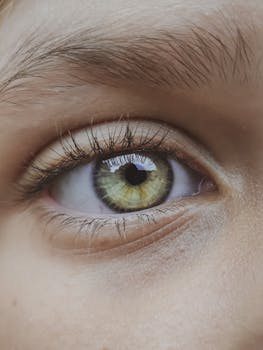
Many people notice slight differences in their facial symmetry, and having one eye lower than the other is a common observation. This condition can be purely aesthetic or occasionally linked to underlying issues. If you’re concerned about facial asymmetries such as one eye being larger or more open than the other, rest assured that there are explanations and potential solutions available.
Understanding Why One Eye May Be Lower Than the Other
Facial asymmetry, including having one eye lower than the other, can occur naturally or as a result of certain conditions. In some cases, this might be due to mild ptosis, a condition where the eyelid droops over the eye. Other times, it could be a benign anatomical variance without any underlying health concerns.
Ptosis can present itself in several ways, such as having one eye more open than the other or one eyelid higher than the other. For some, these differences are subtle, while in others they are more pronounced. If you are seeing a significant change in symmetry or experiencing associated symptoms, it may be advisable to consult with a healthcare provider.
Causes of Asymmetrical Eyes
Several factors can contribute to why one eye opens more than the other or why one eyelid might be higher:
- Genetics: Many facial features are hereditary, and asymmetry can naturally occur.
- Aging: As skin loses elasticity over time, differences between eyes can become more noticeable.
- Injury or Surgery: Past injuries or surgeries might result in changes in appearance.
- Neurological Conditions: Rarely, conditions affecting nerve control in the face may be involved.
Medical Conditions Behind Asymmetrical Eyes
Occasionally, one eye being more open or one eye larger than the other may be linked to specific medical conditions. These can range from congenital issues like congenital ptosis to acquired conditions that develop over time. It’s important to explore these with a healthcare provider if you suspect medical reasons behind the asymmetry.
Treatment Options for Asymmetrical Eyes
For those interested in correcting asymmetry, options are available. Here are some of the most common approaches:
Non-Surgical Solutions
For mild cases or those not interested in surgery, non-surgical treatments might be enough. Eye exercises and the use of makeup can create the illusion of symmetry. Prescription drops for ptosis may also offer a temporary solution to lift the eyelid.
Surgical Corrections
In cases where natural remedies do not suffice, surgical options might be considered. Procedures known as asymmetrical eyelid surgery or symmetrical eye surgery can help address significant imbalances. It’s crucial to discuss potential risks and benefits with a qualified surgeon before proceeding. Learn more about surgical recovery by checking our guide on post-surgery expectations.
Living with Facial Asymmetry
Having one eye lower or one eye opening wider than the other is relatively common and, for many, not a cause for medical concern. While certain adjustments or surgical measures can be taken to address the issue, personal comfort and health should guide any decisions. If unsure, consulting with a healthcare provider can offer guidance tailored to individual needs.
Beyond the aesthetics, it’s essential to focus on overall eye health and function. Asymmetry is not always synonymous with medical problems, but remaining observant and seeking advice if changes occur is prudent.
Conclusion
One eye lower than the other is a common facial trait, often with simple explanations. Whether you choose to address it or embrace the natural variance depends on personal preferences and how it affects your life. Should concern arise, a healthcare provider can offer insights tailored to your specific circumstances. Discover more about this topic via this informative resource.
- Facial asymmetry, including having one eye lower than the other, is common.
- Causes can range from genetics and aging to medical conditions.
- Treatments include non-surgical options, makeup, and surgical procedures.
- Consult a healthcare provider if changes in symmetry are significant.
- Embrace individuality, as symmetry varies naturally among individuals.
What is ptosis?
Ptosis is a condition where the upper eyelid droops over the eye, which can affect one or both eyes.
Can asymmetrical eyes be corrected without surgery?
Yes, mild cases might be managed with exercises, makeup, or prescription drops, though these are often temporary solutions.
Are asymmetrical eyes a medical issue?
Typically, asymmetrical eyes aren’t a medical concern. However, if significant changes occur, consult a healthcare provider.
What causes one eye to open more than the other?
Causes can include anatomy, genetics, and conditions like ptosis or Bell’s palsy affecting nerve function.
When should I see a doctor for asymmetrical eyes?
If asymmetry is newly developed or accompanied by other symptoms, a doctor’s evaluation is recommended.