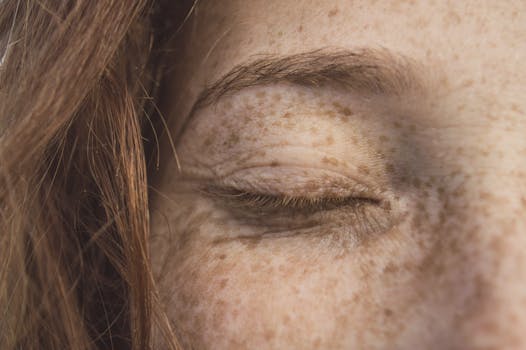
Understanding the drooping lower eyelid type is important, especially if you or someone you know is experiencing changes in eyelid appearance. This condition can affect vision, self-esteem, and overall eye health. While often associated with aging, it can also occur in younger individuals, including females, and be attributed to a variety of causes. This article explores the types, causes, and available management options.
What Is a Drooping Lower Eyelid Type?
A drooping lower eyelid is a condition where the lower eyelid sags away from the eye, potentially leading to exposure problems and eye irritation. The primary keyphrase, drooping lower eyelid type, refers to the various forms this condition can take, from mild sagging to more pronounced droopiness. This condition is medically referred to as lower eyelid ectropion and can be influenced by both natural factors and external contributors.
Common Causes
The drooping lower eyelid type can be caused by several factors. Aging is the most prevalent, as the skin loses elasticity and the muscles weaken over time. Other causes include mechanical stress or trauma, previous surgeries, skin disorders, or congenital factors that affect younger individuals, including females. Understanding the root of the condition is crucial for effective management.
Symptoms and Diagnosis
Symptoms of a drooping lower eyelid type may include eye irritation, excessive tearing, redness, or even vision obstruction. A specialist typically diagnoses this condition through a physical examination. They may assess eyelid functioning and eye health to determine the underlying causes and potential treatment avenues.
Treatment Options
Treatment for a drooping lower eyelid type depends on its severity and cause. In mild cases, non-surgical options such as eye drops or ointments are used to alleviate symptoms. Surgical options may be considered in more severe cases to restore eyelid position. Consulting with a healthcare provider is recommended to determine the best treatment plan.
Preventive Measures
While some factors, like age, cannot be controlled, certain measures can help maintain eyelid health. Using sun protection, practicing gentle skincare routines, and avoiding excessive rubbing or pulling can prevent or reduce drooping. Furthermore, understanding what to expect in specific cosmetic procedures can help manage future outcomes and maintain eyelid integrity. For more details on related cosmetic procedures, consider reading about what to expect from various enhancements.
Drooping Lower Eyelid Type in Females
The drooping lower eyelid type in females can sometimes be exacerbated by hormonal changes or lifestyle factors like stress. Women may seek treatment not only for functional reasons but for cosmetic considerations as well. Techniques such as eyelid exercises or consulting with a cosmetic specialist can support maintaining eyelid firmness.
When to Seek Professional Help
If you notice changes in your eyelids, such as drooping or sagging that affects your vision or causes discomfort, it’s advisable to seek professional evaluation. An ophthalmologist can provide a thorough examination and recommend treatment tailored to your needs.
Impacts on Quality of Life
The drooping lower eyelid type can impact day-to-day activities, especially if it affects vision or comfort. Social and psychological aspects may also come into play, influencing self-esteem. Addressing the condition early can prevent complications and aid in maintaining quality of life.
For further reading on the medical aspects and detailed classification of eyelid disorders, an informative external resource is available at the Wikipedia eyelid article.
In summary, knowing the type of drooping lower eyelid you have is crucial for managing both aesthetic and comfort concerns. Exploring personalized treatment and care options with a healthcare provider ensures that the condition is managed effectively.
- Lower eyelid drooping is often age-related but can occur in younger individuals.
- Common causes include genetics, mechanical factors, and previous surgeries.
- Treatment varies from non-invasive options to surgical interventions.
- Seek medical advice if eyelid drooping affects vision or comfort.
- Preventive measures and professional consultations support eyelid health.
FAQs
What causes a drooping lower eyelid?
The condition can be due to aging, mechanical stress, previous surgeries, or congenital factors.
How is a drooping lower eyelid diagnosed?
A healthcare provider can diagnose this condition through a physical examination and assessment of the affected area.
Can a drooping lower eyelid be treated without surgery?
Yes, treatments include lubricating eye drops or ointments. However, severe cases may require surgical intervention.
Are women more affected by drooping lower eyelids?
While both genders can experience this condition, hormonal changes and lifestyle factors may influence its occurrence in females.
When should I see a doctor for a drooping eyelid?
If you experience discomfort, vision impairment, or significant aesthetic concerns, it’s advisable to seek professional evaluation.