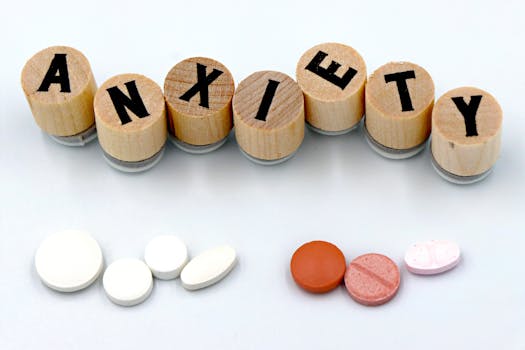
Health anxiety can be a distressing condition, often marked by persistent worries about having or developing a serious illness. If you find yourself constantly checking for symptoms, seeking medical reassurance, and still feeling anxious, you might wonder how to stop health anxiety for good. While this can be challenging, there are effective strategies and treatments that can help reduce the intensity and frequency of health-related anxieties.
Steps to Stop Health Anxiety
Addressing health anxiety involves a combination of self-help techniques and professional interventions. Recognizing that your anxiety is a manifestation of an underlying issue is the first crucial step. Let’s explore how to combat health anxiety with various strategies.
Understanding the Causes of Health Anxiety
Health anxiety, also known as illness anxiety disorder, often stems from a combination of factors. These can include genetic predisposition, past experiences with illness, or an overabundance of health information consumption. Understanding the root cause of your anxiety can help guide treatment.
Techniques to Manage Health Anxiety
Several techniques can help manage and overcome health anxiety. These include:
- Mindfulness and Relaxation: Engaging in mindfulness practices or meditation can help redirect your focus away from health-related concerns. This can create a more grounded and present state of mind.
- Limiting Information: Reducing time spent researching illnesses or symptoms online can prevent spirals of anxiety. Trust verified sources when you do seek health information.
- Cognitive Behavioral Therapy (CBT): Considered the most effective health anxiety treatment, CBT helps in changing unhelpful thought patterns and behaviors.
- Regular Exercise: Physical activity is a known anxiety reliever. It helps in the release of endorphins, which can reduce stress and anxiety levels.
- Healthy Routines: Establishing consistent sleep and eating patterns can enhance overall well-being and reduce anxiety.
Seeking Professional Support
If self-help methods prove ineffective, professional support might be necessary. Hypochondria therapy options include:
- Therapy: Psychotherapy, particularly cognitive behavioral therapy, can provide insights and techniques to manage anxious thoughts effectively.
- Medication: In some cases, medications such as antidepressants may be recommended by a healthcare provider to manage severe anxiety symptoms. Remember, it’s crucial to discuss all options with a qualified clinician.
- Support Groups: Joining a support group can connect you with others experiencing similar challenges. Shared experiences can offer comfort and practical solutions.
How to Help a Hypochondriac
If someone you care about is struggling with health anxiety, your support can be invaluable. Here are a few ways you can help:
- Listen empathetically without judgment.
- Encourage them to seek professional help if needed.
- Avoid reinforcing their fears with excessive reassurance, which can sometimes exacerbate anxiety.
How to Overcome Health Anxiety and Live More Peacefully
Overcoming health anxiety often requires patience and commitment. It’s a journey of gradually shifting your mindset and adopting healthier thought patterns. Behavioral changes, along with professional support, can effectively aid in how to get rid of health anxiety.
While it can be tempting to seek quick fixes, long-term results typically come from a combination of strategies. Regular check-ins with a mental health professional can keep you on track and make adaptations to your treatment plan as needed.
Exploring More Resources
For further insights into managing anxiety, consider reading about how to stop shaking from anxiety. This article provides additional tips for managing physical symptoms associated with anxiety.
For authoritative information on health anxiety, you may also refer to this informative article on Wikipedia.
Ultimately, discovering how to stop health anxiety is a personal journey. By integrating professional treatments and self-help approaches, it’s possible to achieve a healthier, more balanced perspective on your health and well-being.
- Health anxiety can be managed through a mix of self-help and professional strategies.
- Understand the root causes to better address your specific concerns.
- Mindfulness, CBT, and lifestyle changes can significantly reduce anxiety levels.
- Seek professional help when self-help measures aren’t enough.
- Support from loved ones can play a critical role in recovery.
FAQ
What is health anxiety?
Health anxiety, or illness anxiety disorder, involves worrying excessively about having or developing a serious illness, despite little or no medical evidence.
Can cognitive behavioral therapy help with health anxiety?
Yes, cognitive behavioral therapy (CBT) is highly effective in treating health anxiety. It helps by changing the thought and behavior patterns that fuel the anxiety.
Is medication necessary for health anxiety?
Not always. While medication can be helpful for some, especially in severe cases, it is often used alongside therapy. It’s essential to consult with a healthcare professional to determine the best approach.
How can I differentiate between normal health concerns and health anxiety?
Normal health concerns are occasional and usually based on real symptoms. Health anxiety is persistent and usually involves distress over imagined or minor symptoms.
Can lifestyle changes impact health anxiety positively?
Yes, lifestyle changes such as regular exercise, maintaining a healthy diet, and ensuring adequate sleep can positively impact mental well-being and help manage anxiety symptoms.