Hair loss is a common concern affecting millions worldwide. One of the solutions people turn to is hair plugs. But what are hair plugs, and how can they help in regaining hair and confidence? Hair plugs are an old technique used in the field of hair restoration, aimed at addressing bald patches and hair thinning by transplanting hair from one area of the body to another.
What Are Hair Plugs?
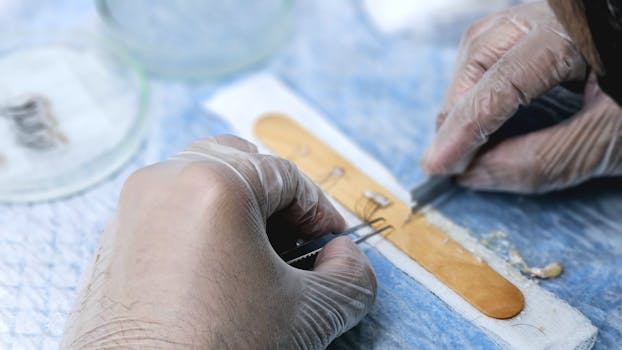
The term “hair plugs” refers to an early method of hair transplant that became popular in the 1950s. It involves removing small sections or plugs of hair-bearing skin from the back or sides of the scalp (donor area) and implanting them into bald or thinning areas. While effective in the past, this technique has largely been replaced by more advanced methods like Follicular Unit Transplantation (FUT) and Follicular Unit Extraction (FUE). Despite its historical context, understanding what are hair plugs provides valuable insights into the evolution of hair transplantation.
How Hair Plugs Compare to Modern Techniques
Modern hair transplant techniques such as FUE and FUT are generally preferred over the traditional hair plug method. These techniques involve transplanting individual follicular units, resulting in a more natural look. Unlike the noticeable “doll’s hair” effect created by hair plugs, today’s methods ensure that hair lines look seamless and natural.
Moreover, these advanced techniques answer questions like “do hair implants fall out” or “does hair transplant hair grow” more effectively, providing lasting solutions with high success rates. Individuals interested in best hair transplant procedures often benefit from consulting professionals who can provide personalized recommendations.
Effectiveness of Hair Transplants: Do They Work?
Many wonder, “do hair transplants work?” and “will hair transplant really work?” The simple answer is yes, hair transplants, including advanced techniques like hair grafts for men, typically show successful results. Research and clinical practice indicate that most individuals experience satisfactory outcomes with these procedures when performed by skilled professionals.
Another common query revolves around “does transplanted hair grow?” Once transplanted, the hair typically sheds within a few weeks, but new growth usually appears within months. Patients should have realistic expectations, acknowledging that these procedures often result in gradual improvements rather than instant solutions.
Duration and Recovery: How Long Does Hair Transplant Surgery Take?
The duration of hair transplant surgery varies based on the procedure type and the extent of hair loss. Generally, sessions can last between four to eight hours. For many, inquiries like “how long is hair transplant surgery” reflect concerns about recovery time. Most people can return to work within a few days, albeit with activity restrictions to facilitate healing.
Considerations for Potential Candidates
Those looking into hair replacement for receding hairlines or hair implants for receding hairlines should consult with a qualified hair restoration expert. These consultations help assess the individual’s suitability for surgery, discuss expectations, and evaluate the most appropriate technique for their condition.
Risks and Limitations
While hair restoration techniques, whether through frontal hair transplants or addressing a hair transplant bald spot, are generally safe, they are not devoid of risks. Potential complications include infection, scarring, or unnatural-looking results. It’s crucial for patients to have realistic expectations and understand the limitations of these procedures.
Frequently Asked Questions
What are hair plugs and how are they different from modern transplants?
Hair plugs refer to an older method of transplantation involving large segments of hair-bearing skin. Modern techniques like FUE and FUT use smaller follicular units, resulting in a natural appearance.
Are hair transplants permanent?
Most hair transplants are considered permanent. The transplanted hair should continue to grow naturally. However, it’s important to maintain a healthy lifestyle to optimize long-term outcomes.
How does a hair transplant help with alopecia?
Hair transplants can address certain types of alopecia by restoring hair density where hair has been lost. However, not all types of alopecia may be suitable for surgery, requiring professional evaluation.
What is the recovery timeline for hair transplant surgery?
Initial recovery generally takes a few days, but full healing and visible results can take several months. It’s common for the new hair to shed before new growth appears.
Can women benefit from hair transplants?
Yes, women can benefit from hair transplants. Procedures are tailored to individual needs, whether addressing thinning hair or localized bald patches. Consulting a specialist can provide valuable insights.
Understanding what are hair plugs and the advancements in hair restoration techniques helps individuals make informed decisions about pursuing treatment. Whether considering hair implants for a receding hairline or exploring the effectiveness of hair grafts for men, it’s essential to gather comprehensive information and consult with professionals.
For further reading on similar topics related to beauty and procedures, visit the Wikipedia Health page for general insights into health-related subjects.
- Hair plugs are a historical method of hair transplant, now largely replaced by modern techniques.
- Contemporary procedures like FUE and FUT provide more natural-looking results.
- Most hair transplants are considered permanent and effective in addressing hair loss.
- Consultation with a professional is crucial to determine suitability for hair restoration surgery.
- Understanding potential risks and setting realistic expectations are key to a successful outcome.