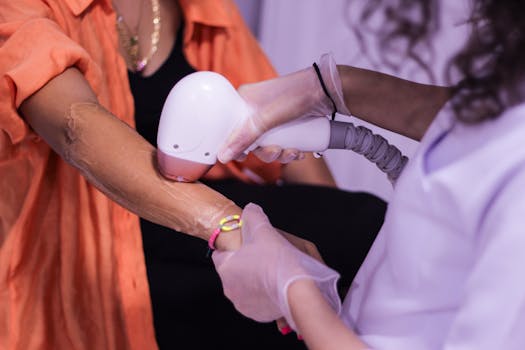
The cost of IPL treatments is influenced by a range of factors that can impact the final price. If you’re considering this popular cosmetic procedure for issues like hair removal or skin rejuvenation, understanding these cost variables can help you plan your budget effectively. We’ll explore what affects IPL cost and how you might prepare financially for these sessions. Whether you’re aiming for aesthetic improvements or skin health benefits, knowing the elements that contribute to IPL pricing is essential.
What Influences IPL Cost?
The IPL cost may vary significantly based on numerous factors. The expertise and reputation of the practitioner, treatment area size, clinic location, and the number of sessions require are just a few critical components. Let’s delve deeper into each of these aspects to give you a well-rounded understanding of what to expect.
Practitioner’s Expertise and Reputation
The experience and reputation of the specialist conducting your IPL treatment can have a considerable impact on the price. Certified dermatologists or cosmetic specialists may charge more due to their expertise and the trust they have earned. While choosing a highly qualified expert might increase upfront costs, it often ensures safer and more effective results, potentially saving money in the long run by avoiding complications.
Size and Location of Treatment Area
Another factor affecting IPL cost is the size and location of the treatment area. Larger areas such as the back or legs generally incur higher charges, as they take more time and resources to treat compared to smaller areas like the upper lip or underarms. Additionally, different body areas may require different energy settings, affecting the overall cost of the procedure.
Geographical Location of the Clinic
Where the clinic is located can influence the price of IPL treatments. Urban centers with a higher cost of living typically have more expensive procedures than smaller towns or rural areas. This potential price variation aligns with higher operational costs experienced by clinics in major city centers.
Number of Sessions Required
Most individuals need multiple IPL sessions to achieve desired results, which affects the overall cost. The exact number of sessions varies based on individual skin type, the condition treated, and the area being addressed. More sessions equate to higher total expenses, although some clinics offer package deals that lower the per-session cost.
Equipment Quality and Technology
The type of equipment used in IPL treatments can vary. Clinics with the latest technology often charge more, reflecting in their service quality. Advanced machines might offer more comfortable sessions and better outcomes, warranting the additional cost. When evaluating IPL options, it is worthwhile to consider both the technology in use and the cost implications.
Additional Services and Consultations
Many clinics offer complementary consultations or follow-up services, which may be included in the overall IPL package or billed separately. These consultations can provide valuable insights into treatment plans and expected results, potentially justifying the additional expenditure. Ensuring all fees and services are outlined in advance can prevent unexpected charges.
While IPL treatments don’t involve surgery, they’re equivalent to medical procedures requiring clinical expertise. For more health-related discussions, check out this article exploring whether Ozempic causes heart problems.
Preparation and Aftercare Costs
Proper preparation and aftercare for IPL treatments may also add to the costs. Products like sunblock, moisturizer, and possibly medications for managing discomfort or reducing skin sensitivity might be necessary, falling under your financial responsibilities. These expenses can vary widely, so discussing them during consultations is wise.
When estimating your IPL cost, it’s crucial to factor in all these elements. This comprehensive approach helps prevent surprises and allows for a more accurate financial assessment. Finally, remember that IPL results and associated costs are deeply influenced by individual characteristics, making it vital to consult with a qualified provider for tailored advice.
- IPL costs are determined by multiple factors, including practitioner reputation and treatment area size.
- Geographical location and needed session numbers significantly affect overall pricing.
- Considering equipment quality and additional services can influence your choice and budget.
- Ensure thorough consultations to understand all associated costs and post-treatment care.
- Planning and personal factors play significant roles in determining the final IPL cost.
FAQ
What is IPL?
Intense Pulsed Light (IPL) is a technology used in dermatology to perform various skin treatments for aesthetic and therapeutic purposes, including hair removal and reducing the appearance of age spots.
How many IPL sessions are typically required?
The number of IPL sessions needed varies depending on the individual’s skin type, treatment goals, and the specific area being treated. Most individuals undergo multiple sessions for optimal results.
Is IPL safe for all skin types?
IPL is generally safe for a wide range of skin types, but it may be less effective or pose risks for certain skin tones or conditions. It’s important to consult with a qualified practitioner to evaluate your suitability.
What should I expect during an IPL session?
An IPL session usually involves the application of a cooling gel to the treatment area, followed by brief pulses of light. Patients might experience mild discomfort similar to a rubber band snapping against the skin.
Does insurance cover IPL treatments?
Most IPL treatments are considered cosmetic and are not covered by insurance. However, treatments conducted for medical reasons, such as managing specific skin conditions, might be eligible for coverage. Consulting your insurance provider is advisable for detailed information.