Many people considering hair restoration procedures might ask, “Are hair plugs bad for health?” This question arises due to concerns about safety, effectiveness, and potential side effects. Understanding the nature of hair plugs and their implications on health is essential for those evaluating their options for hair restoration. Let’s dive into the world of hair plugs, their potential risks, and what modern alternatives might be available.
Understanding Hair Plugs: History and Method
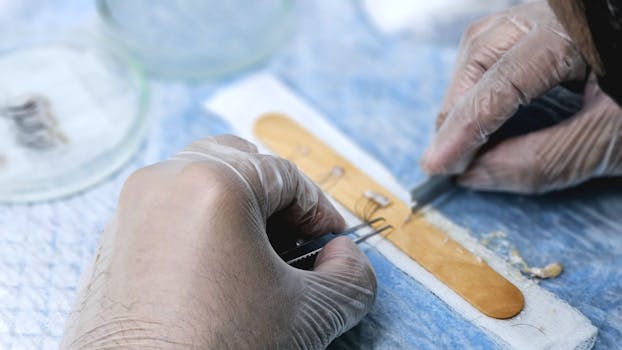
Hair plugs are one of the early forms of hair transplantation. The procedure involves removing small sections of skin, often with healthy hair follicles, from a donor site and implanting them into bald or thinning areas. While it was popular in the past, advancements in technology and technique have led to more refined methods like follicular unit transplantation (FUT) and follicular unit extraction (FUE).
With the evolution of hair restoration technology, traditional hair plugs have become less common. This shift is primarily due to the unnatural appearance that sometimes resulted from the old plug method. For a deeper understanding of how technologies have evolved and whether they look natural, check out our guide on do hair plugs look natural, what it is, and who it’s for.
Are Hair Plugs Bad for Your Health? Evaluating the Risks
The question “Are hair plugs bad for your health?” encompasses several considerations. First and foremost is the risk of infection or reaction. As with any surgical procedure, there’s a risk of infection at both donor and recipient sites. Ensuring the procedure is performed in a sterile environment by a qualified professional can mitigate these risks.
Another factor is the potential for scarring. The plug method, due to its less refined technique, might result in noticeable scars. Modern methods such as FUE are primarily developed to minimize this concern, offering a more natural look with minimal scarring.
Long-term Effects and Maintenance
Hair plugs don’t necessarily pose direct health risks, but they can influence self-esteem and psychological well-being. An unnatural appearance might lead to dissatisfaction, which can impact one’s mental health. Additionally, ongoing maintenance and follow-up procedures might be necessary, which could be demanding and costly.
Alternatives to Hair Plugs: SAFER Options
For those concerned that hair plugs are bad due to their downsides, several alternatives exist. Modern hair restoration techniques focus on more natural results and reduced surgical trauma. Follicular Unit Transplantation (FUT) and Follicular Unit Extraction (FUE) are currently popular due to their improvements over older methods.
FUT involves transplanting a strip of hair follicles, while FUE entails extracting individual follicles. Both methods aim to provide a more natural look and have their unique advantages and considerations. Consulting with a hair transplant specialist can help determine the best option tailored to individual needs.
Hair Care and Scalp Health
Maintaining scalp health is crucial irrespective of the type of hair restoration method used. Regularly cleaning the scalp and using appropriate hair products can support overall hair health. Additionally, balanced nutrition and lifestyle habits contribute significantly to healthy hair growth and maintaining the results of hair restoration treatments.
Conclusion: Weighing the Pros and Cons
In conclusion, while the question of “Are hair plugs bad for your health?” has nuanced answers, it primarily hinges on individual circumstances and expectations. The traditional hair plug method has fallen out of favor due to potential aesthetic concerns and the availability of more advanced options. It’s crucial to consult with a qualified specialist to understand the best option tailored to personal needs and goals.
Although the term “hair plugs bad” might seem alarming, with proper care, expertise, and planning, individuals can achieve satisfying results without compromising their health.
- Hair plugs are an outdated method replaced by more advanced techniques.
- Infection and scarring are the primary risks associated with hair plugs.
- Modern alternatives like FUT and FUE offer more natural results.
- Consulting with a specialist is crucial for personalized advice.
- Nutrition and scalp health play a significant role in the success of hair restoration.
What are hair plugs?
Hair plugs are an early method of hair transplantation that involves implanting small sections of skin containing hair follicles into balding areas. They have largely been replaced by more advanced techniques.
Do hair plugs look natural?
Traditional hair plugs can sometimes result in an unnatural appearance. However, modern methods like FUT and FUE are designed to provide a more natural look by focusing on smaller, more precise grafts.
What are the risks of hair plugs?
The risks include infection, scarring, and potential dissatisfaction with aesthetic results. Achieving a natural appearance might require multiple procedures and continuous maintenance.
Are modern hair transplants safe?
Modern hair transplants, such as FUT and FUE, are generally considered safe when performed by experienced and qualified professionals. These procedures are designed to minimize risks and enhance outcomes.
How can I ensure the success of a hair transplant?
To ensure success, follow pre-and post-procedure care instructions, maintain scalp health, use suitable hair care products, and adhere to a healthy lifestyle. Consulting with a hair restoration specialist for personalized advice is also important.