When considering hair restoration, you may have come across the term hair plugs. As a popular option for counteracting hair loss, it’s essential to explore whether hair plugs are bad for your health before making a decision. This article delves into the health implications, potential risks, and benefits of this cosmetic procedure. Understanding the nuances of hair plugs can help you make an informed decision about whether this treatment aligns with your health and aesthetic goals.
Are Hair Plugs Bad for Your Health?
Hair plugs are not inherently bad for your health, but like any medical procedure, they carry some risks. Originally developed in the 1950s, hair plugs were the first form of hair transplant surgery. They involve transplanting small patches of hair, often leading to a plug-like appearance. Modern techniques have evolved significantly, offering more natural-looking results. It’s crucial to understand both the benefits and the potential drawbacks to make an informed decision.
Understanding the Hair Plug Procedure
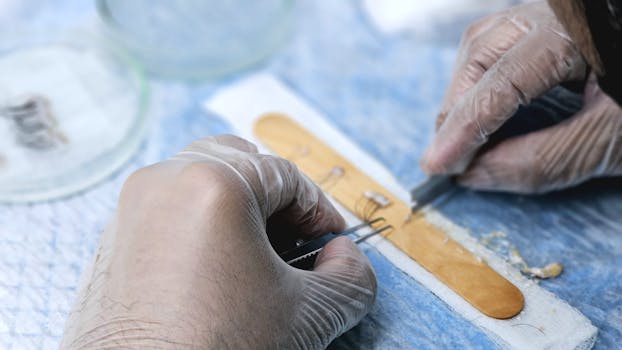
The traditional hair plug technique involves removing patches of hair from a donor site, usually the back of the head, and transplanting them to balding areas. This procedure can be effective in restoring hair but may not always produce the most aesthetically pleasing outcomes. Nowadays, more advanced methods like Follicular Unit Extraction (FUE) and Follicular Unit Transplantation (FUT) have largely replaced the older hair plug techniques.
Potential Risks and Health Considerations
While hair plug procedures are generally safe, they can present certain risks. Possible complications include infection, bleeding, scarring, or an unnatural appearance if the procedure is not performed well. Post-surgical care is essential to minimize these risks; following the surgeon’s instructions is crucial for successful recovery. It’s also important for individuals to discuss any pre-existing health conditions with their doctors to assess their suitability for the procedure.
For a comprehensive understanding of whether hair plugs look natural and who they are for, explore our related article.
Benefits of Hair Plugs and Modern Alternatives
The primary advantage of hair plugs, and their modern counterparts, is the potential to restore hair in thinning or balding areas, thereby enhancing self-confidence. Modern techniques like FUE and FUT have refined the process, leading to more natural results with fewer complications. These methods involve transplanting individual hair follicles, which mimic natural hair growth patterns more closely than traditional hair plugs.
Are Hair Plugs Worth the Investment?
Deciding whether hair plugs are worth it involves considering several factors: cost, aesthetic goals, potential health implications, and the availability of modern techniques. Hair restoration can be a significant financial investment, and it’s essential to weigh the potential outcomes against the expense. Consulting with a board-certified dermatologist or surgeon can provide valuable insight tailored to individual needs.
Consultation and Choosing a Skilled Surgeon
To ensure the best results and minimize health risks, selecting an experienced and qualified surgeon is critical. During consultations, prospective patients should inquire about the surgeon’s experience with hair transplants, view before-and-after photos, and discuss potential outcomes and risks. Being well-informed and proactive in this process greatly increases the likelihood of satisfaction with the procedure.
For further general information on health and safety considerations, you can visit Wikipedia’s health page.
- Hair plugs were the first type of hair transplant surgery.
- Modern techniques like FUE and FUT offer more natural results.
- Potential risks include infection and unnatural appearance.
- Consultation with a skilled surgeon is vital for success.
- Modern techniques reduce the health risks associated with hair procedures.
FAQ
Do hair plugs hurt during the procedure?
The procedure is typically performed under local anesthesia, so patients may feel some discomfort during the surgery but it should not be painful. Post-operative pain is usually manageable with over-the-counter pain medications.
How long does it take to recover from hair plug surgery?
Recovery time can vary, but most people can return to work after a few days. The transplanted areas might remain sensitive for a few weeks, and full healing can take several months.
Will the results of hair plugs look natural?
While traditional hair plugs might not always appear natural, modern techniques like FUE and FUT offer more natural-looking results by mimicking natural hair growth patterns.
Are hair plugs a permanent solution for hair loss?
Hair transplants can provide long-lasting results, but they may not stop further hair loss. Additional treatments or surgeries might be necessary in the future to maintain the desired appearance.
Can anyone undergo a hair transplant?
Not everyone is a candidate for hair transplants. Suitability depends on factors like available donor hair, the extent of hair loss, and overall health. A medical consultation is essential to determine if hair restoration is a viable option.