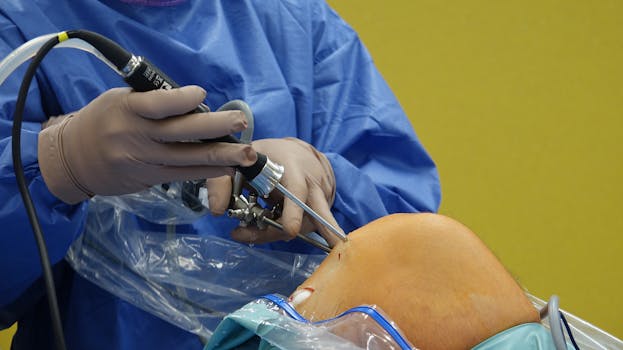
When considering options for improving knee function and appearance, the term knee plastic surgery often comes up. This procedure can offer solutions to a variety of issues ranging from cosmetic concerns to mobility challenges. Whether you’re looking to enhance the appearance of your knees or address joint discomfort, understanding the available surgical options is essential for making an informed decision.
Understanding Knee Plastic Surgery
Knee plastic surgery encompasses a range of procedures aimed at improving knee aesthetics and function. These surgeries can involve reconstructive techniques to address injuries or degenerative conditions, as well as cosmetic enhancements. Patients considering knee plastic surgery should be aware of the different types and purposes of these procedures.
Types of Knee Plastic Surgery
There are several types of knee plastic surgery, each designed to address specific needs:
- Knee Replacement Surgery: Often performed to alleviate pain from arthritis, this procedure replaces damaged joint components with prosthetics.
- Arthroscopy: Used to diagnose and treat joint problems with minimal invasion, often addressing meniscus tears or ligament issues.
- Liposuction and Contouring: Designed for cosmetic improvement by removing excess fat and reshaping the knee area. More details about the cost and procedure can be found here.
Candidates for Knee Plastic Surgery
Good candidates for knee plastic surgery generally include individuals experiencing chronic knee pain, those with significant knee joint degeneration, or individuals seeking cosmetic improvements. Before surgery, patients should undergo a thorough evaluation by a healthcare provider to determine the most suitable procedure.
Benefits and Outcomes
The benefits of knee plastic surgery can be substantial, offering relief from pain, enhanced mobility, and improved knee appearance. Patients who receive knee replacement or arthroscopic surgery often report significant improvements in their quality of life. Additionally, cosmetic procedures can boost confidence and satisfaction with one’s appearance.
Recovery Process and Considerations
Recovery times vary based on the type of surgery performed but typically involve a combination of rest, physical therapy, and gradual return to normal activities. Adhering to post-operative care instructions is crucial for optimal recovery. It is important to discuss potential risks and complications with a healthcare provider before undergoing any surgical procedure.
Potential Risks and Complications
As with any surgical procedure, knee plastic surgery carries risks such as infection, blood clots, and adverse reactions to anesthesia. While complications are relatively rare, patients should be informed of all potential outcomes. Seeking a qualified and experienced surgeon can help minimize these risks.
Choosing the Right Surgeon
Selecting a surgeon with expertise in knee plastic surgery is critical to achieving the best results. Prospective patients should inquire about a surgeon’s experience, view before-and-after photos of previous patients, and seek recommendations from trusted sources. Checking credentials and certifications is also advised.
Exploring Alternatives to Knee Plastic Surgery
For some, there may be non-surgical alternatives to improve knee health. Physical therapy, lifestyle modifications, and minimally invasive procedures can serve as effective alternatives for those not ready for surgery. It’s beneficial to explore all options and consult with a healthcare provider to determine the most suitable approach.
Knee plastic surgery can significantly impact your quality of life by relieving pain and enhancing function or appearance. Before deciding, weigh the pros and cons, consider alternative options, and seek professional advice. Remember that recovery and outcomes can vary, and a comprehensive understanding of the procedure will aid in making the best decision for your needs.
- Knee plastic surgery encompasses reconstructive and cosmetic procedures.
- It’s essential to consult a healthcare provider to determine suitability.
- Risks exist, but skilled surgeons help minimize complications.
- Recovery involves rest, physical therapy, and adherence to care guidelines.
- Non-surgical alternatives may offer relief for some patients.
What is knee plastic surgery?
Knee plastic surgery refers to surgical procedures that improve knee function either through reconstructive means or cosmetic enhancements. It aims to address both functional impairments and aesthetic concerns.
Who is a good candidate for knee plastic surgery?
Individuals experiencing chronic pain or those with significant joint wear may benefit from surgical intervention. Cosmetic candidates typically seek surgery to enhance the knee’s appearance. Professional evaluation is essential.
What are the risks associated with knee plastic surgery?
Potential risks include infection, anesthesia complications, and blood clots. It’s important to have a comprehensive discussion with a healthcare provider about potential risks before surgery.
How long is the recovery period after knee surgery?
Recovery depends on the surgery type, ranging from a few weeks to several months. Patients should follow post-operative instructions carefully and attend physical therapy sessions to ensure optimal healing.
Are there non-surgical alternatives to improve knee health?
Yes, many patients find relief with physical therapy, lifestyle changes, or minimally invasive procedures that alleviate symptoms without surgery. Consult a healthcare provider for personalized recommendations.
For further information about joint health, consider visiting the Wikipedia Health page.