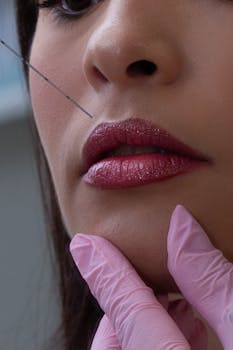
Undergoing lip injections is a common aesthetic procedure aimed at enhancing the fullness of lips, but many patients experience some level of lip injection bruising afterwards. Understanding what to expect in terms of bruising after this cosmetic treatment can help in planning and managing the recovery process effectively.
Understanding Lip Injection Bruising
Lip injection bruising is a common and typically mild side effect of lip fillers. It’s caused by tiny blood vessels bursting under the skin during the injection process. While the bruising after lip filler injections can be disappointing, it is usually short-lived.
Causes of Bruising After Lip Fillers
The bruising after lip injections is generally due to the needle piercing the dermal layers, which can disturb blood vessels. Factors like skin sensitivity, the skill of your practitioner, and individual health conditions can influence the extent and severity of bruising.
Managing Bruising After Lip Injections
To reduce the impact of lip bruising after filler treatments, apply a cold compress immediately after the procedure to minimize swelling. Additionally, avoid medications such as aspirin or ibuprofen that may exacerbate bruising. Always follow the specific aftercare instructions provided by your clinician.
How Long Does Lip Filler Bruising Last?
Many are curious about how long bruised lips last after lip fillers. Typically, the bruising will diminish in about five to ten days. The exact duration of bruises after lip fillers varies based on individual factors, including skin type and adherence to aftercare practices.
Persistent or unusually severe bruising should be evaluated by a healthcare professional to rule out complications. For an in-depth discussion about potential outcomes and downtime, review our guide on botox and lip fillers benefits, risks, and downtime.
Preventing Bruising After Lip Fillers
While not all lip injection bruising can be prevented, certain strategies may help reduce its occurrence. Choosing an experienced practitioner, avoiding blood-thinning medications before the procedure, and following recommended pre-treatment guidelines are vital steps.
Consulting with Your Practitioner
Prior to getting lip fillers, discuss any concerns about bruising and healing times with your healthcare provider. They can offer personalized advice based on your medical history and aesthetic goals.
Seeking Professional Advice
Each individual’s reaction to lip fillers varies. If you have ongoing concerns about lip bruising post-treatment, schedule a follow-up with your practitioner. For general information about health and recovery, you can also refer to the Wikipedia overview on health.
In summary, while lip injection bruising is a common post-procedure experience, it’s generally manageable and dissipates with proper care. Understanding the causes and solutions can make the recovery period more comfortable and less stressful.
- Lip injection bruising is common but usually mild.
- Bruises typically last between five to ten days.
- Cold compresses and avoiding certain medications may help reduce bruising.
- Consult your practitioner with concerns or persistent symptoms.
- Adhering to aftercare guidelines optimizes recovery.
FAQ
Why do lips bruise easily after fillers?
The lips are sensitive and have many small blood vessels. The injection process may disrupt some of these, leading to bruising.
How can I reduce bruising after lip injections?
Applying a cold compress, avoiding alcohol, and staying hydrated can help minimize bruising after the procedure.
Is it normal to experience swelling along with bruising?
Yes, swelling is a common immediate reaction to lip fillers and often accompanies bruising. It’s usually temporary and should decrease within a few days.
When should I contact a healthcare professional about bruising?
If bruising is accompanied by severe pain, increasing swelling, or does not improve within ten days, seek medical advice.
Can lifestyle changes help with reducing bruising?
Yes, avoiding smoking and ensuring a healthy diet rich in vitamins C and K can promote quicker healing of bruises.