Have you ever considered Botox treatments for migraines? If so, you’re not alone. Many people exploring ways to manage their chronic headaches have turned to this popular treatment. However, understanding botox migraine side effects is crucial before making any decisions. In this article, we will delve into the potential risks and benefits of using Botox for migraine relief, so you can be informed.
Understanding Botox Migraine Side Effects
Botox, known scientifically as botulinum toxin, has been used for cosmetic purposes for years. Recently, it has gained attention for its effectiveness in treating certain medical conditions, including chronic migraines. While Botox can be a helpful treatment option for those struggling with persistent headaches, it’s important to be aware of the associated botox migraine side effects.
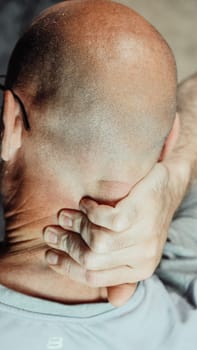
Most notably, Botox injections may cause mild to moderate side effects such as neck pain and stiffness at the injection site. Other common side effects include drooping eyelids, muscle weakness, and jaw pain. Although these are typically temporary, it’s crucial for individuals considering this treatment to know these risks. More rarely, complications may occur, so consult with your healthcare provider to ensure you’re making the right choice for your health.
The Science Behind Botox for Migraines
Why does Botox work for migraines? It’s all about the mechanism of botulinum toxin. When injected, Botox targets the nerve signals responsible for transmitting pain. By reducing this communication between nerves and the brain, migraines may be alleviated.
This effect doesn’t occur immediately; rather, it presents over several weeks after treatment. It’s worth noting that Botox is specifically approved for people who experience chronic migraines, defined as having headaches on 15 or more days each month. If you suffer from sporadic migraines, alternative treatments may be more suitable.
Is Botox Right for You?
Deciding to use Botox for migraines involves weighing the pros and cons carefully. For many, the allure of potentially reducing the number and severity of migraine attacks justifies the treatment. Still, others might be hesitant due to potential botox migraine side effects.
The procedure requires multiple injections around the head and neck every 12 weeks. Some people report significant improvement, while others might notice little change. It’s important to discuss your medical history and migraine patterns with a specialist to make an informed decision.
Before committing to Botox, explore alternative therapies and lifestyle changes that might help manage your migraines. Cognitive behavioral therapy, relaxation techniques, and dietary adjustments can be effective strategies worth exploring. For more insights into how Botox works and what it treats, you can visit our comprehensive resource on Botox.
Managing Side Effects and Monitoring Outcomes
If you decide Botox is the right choice for your migraines, monitoring your health post-treatment is essential. Keeping a symptom diary will help track both the effectiveness and any adverse reactions you experience.
In case of severe or persistent side effects, contact your healthcare provider promptly. They can offer guidance and adjust your treatment plan if necessary. Remember to remain informed about the latest treatment protocols and medical advice to safeguard your well-being. For general health resources, consult reputable sources such as Wikipedia’s health overview.
Final Thoughts: Are Botox Treatments Worth the Risk?
In summary, while Botox may offer relief for chronic migraine sufferers, being aware of botox migraine side effects is paramount. The decision requires thoughtful consideration and professional medical advice. By evaluating your health needs and consulting a healthcare provider, you can determine whether Botox is the right path for you.
- Botox can reduce chronic migraine frequency and severity.
- Common side effects include neck pain and eyelid drooping.
- Claims of symptom improvement vary among individuals.
- Consultation with a specialist is crucial before starting treatment.
- Maintain openness to alternative migraine therapies.
FAQ
What are the most common side effects of Botox for migraines?
The most common side effects include neck pain, eyelid drooping, muscle stiffness, and injection site pain. These are typically mild and temporary.
How long do Botox treatment effects last for migraines?
Botox treatment effects can last about 12 weeks. Patients usually undergo regular injections every three months for continued relief.
Does everyone benefit from Botox for migraines?
No, not everyone will experience the same level of relief. Some individuals notice a marked improvement, while others may see little change. Results can vary considerably between patients.
Is Botox treatment for migraines safe?
Botox is generally considered safe for treating chronic migraines when administered by a qualified healthcare provider. However, it’s essential to understand potential side effects and discuss them with your provider.
Can anyone with migraines receive Botox treatment?
Botox is approved for individuals with chronic migraines, defined as having headaches on 15 or more days a month. It’s important to discuss your migraine frequency and medical history with a healthcare professional to determine eligibility.