
Table of Contents
Exploring Natural Fixes for Uneven Breasts
Many women notice differences in breast size or shape, a concern that can affect confidence and comfort. According to Healthline, breast asymmetry affects up to 88% of women, making it a common experience rather than a rare issue. If you’re wondering, can you fix uneven breasts naturally, rest assured that minor imbalances are typically harmless and often improve with simple, non-invasive approaches.
Breast asymmetry refers to one breast being larger, higher, or shaped differently from the other, stemming from various asymmetrical breasts causes like hormonal changes or muscle development. While surgery is an option for severe cases, many seek how to fix breast asymmetry without surgery, focusing on empowering lifestyle adjustments. Natural methods, such as targeted exercises and posture corrections, offer hope for fix uneven breasts naturally by strengthening underlying muscles and promoting balance. These non-invasive breast symmetry techniques emphasize holistic well-being, helping women embrace their bodies while addressing imbalances gently.
This guide explores causes, benefits of natural fixes, how they work, and practical steps to try. What might be contributing to your breast asymmetry? Continue reading for insights and actionable advice to build confidence through sustainable changes.
Causes and Understanding Breast Asymmetry
Breast asymmetry, where one breast differs in size, shape, or position from the other, affects many women and can stem from various factors. Understanding these asymmetrical breasts causes provides clarity and empowers informed decisions about management. This section explores common contributors, potential health signals, and the normalcy of such differences, drawing on established medical insights.
Common Causes of Uneven Breasts
Uneven breasts often arise during developmental stages or due to external influences. Genetic predispositions play a significant role, as inherited traits determine breast tissue distribution and growth patterns. For instance, if a family history includes similar imbalances, an individual may experience noticeable differences from an early age.
Hormonal fluctuations represent another key factor. During puberty, estrogen and progesterone surges can lead to uneven development, with one breast growing faster than the other, a phenomenon noted by the Cleveland Clinic as common and often temporary. Pregnancy and breastfeeding further amplify this, as milk production varies between breasts, causing temporary size discrepancies. Menopause can also contribute through declining hormone levels that affect tissue elasticity unevenly.
Lifestyle elements, such as weight changes or posture habits, influence breast appearance. Rapid weight gain or loss alters fat distribution in the chest area, potentially exacerbating asymmetry. Poor posture, like slouching from desk work, may cause one side to appear more prominent over time.
Medical conditions and interventions add to the list of reasons for breast imbalance. Scoliosis, a spinal curvature, can pull breast tissue asymmetrically, while certain medications, including those for hormone therapy or antidepressants, may induce size variations as a side effect. As per Cleveland Clinic guidelines, these factors leading to uneven chest typically resolve or stabilize without intervention, but tracking changes is advisable.
- Genetic factors: Inherited traits shaping breast size and form.
- Hormonal shifts: Puberty, pregnancy, or menstrual cycles causing temporary differences.
- Lifestyle influences: Weight fluctuations or posture affecting appearance.
- Medical causes: Conditions like scoliosis or medication effects.
These insights highlight how multifaceted asymmetrical breasts causes can be, with examples like post-pregnancy swelling resolving gradually for many women.
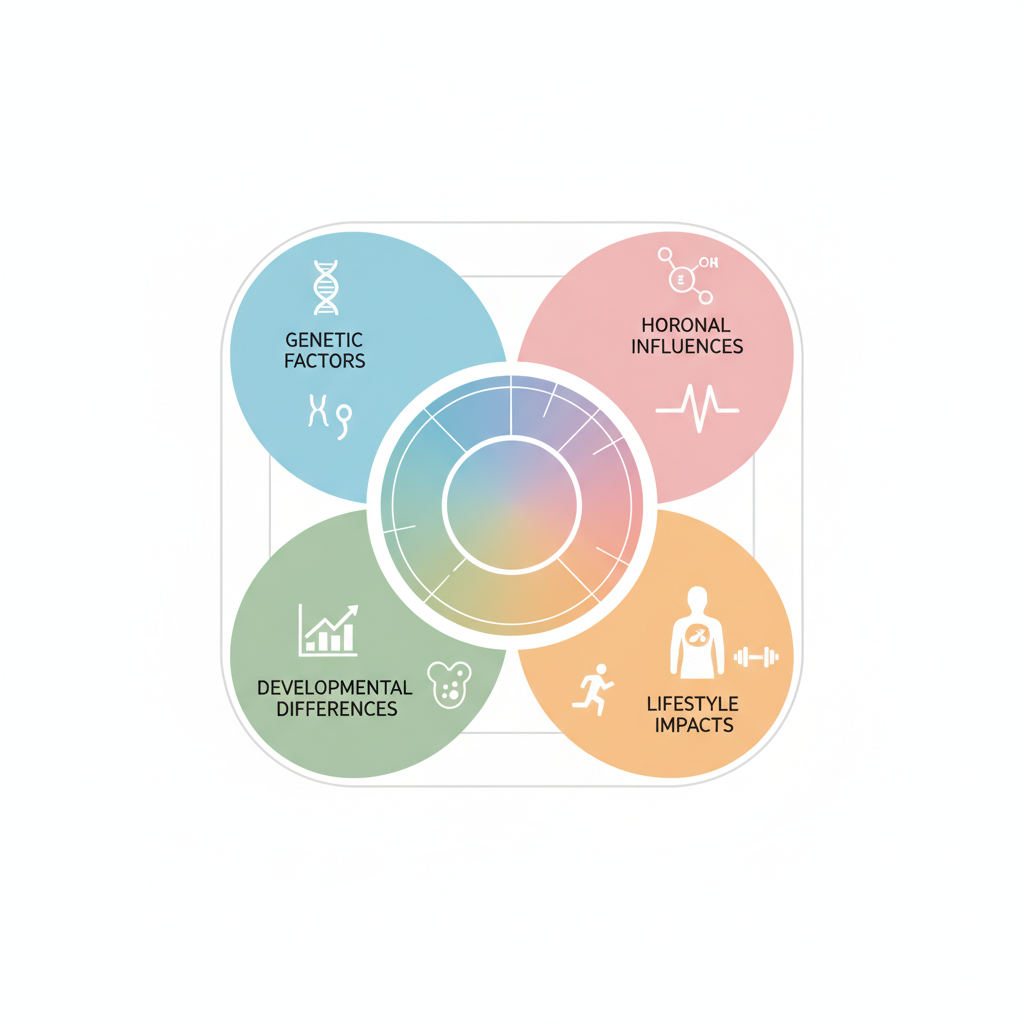
Visual guide to understanding breast asymmetry causes
Recognizing these patterns helps demystify the issue and sets the stage for exploring options like non surgical breast asymmetry fixes.
When Asymmetry Signals Health Concerns
While most asymmetry remains benign, certain signs warrant attention to rule out underlying issues. Sudden onset after age 40, especially with pain or nipple discharge, could indicate hormonal imbalances or, rarely, breast cancer, prompting a need for mammograms as recommended by medical experts.
Medications sometimes contribute to differences; for example, hormonal contraceptives or fertility treatments can cause one breast to enlarge temporarily. If asymmetry worsens alongside lumps, skin dimpling, or unexplained swelling, consulting a healthcare provider is essential. The Cleveland Clinic emphasizes that persistent changes post-menopause or during therapy require evaluation to distinguish normal variations from concerns like fibroadenomas or cysts.
Questions about worry often arise: Should sudden breast asymmetry prompt action? Yes, particularly if accompanied by other symptoms. Hormones can indeed cause one breast to appear larger during cycles, but tracking and discussing with a doctor ensures peace of mind. Early detection through routine checkups balances vigilance with reassurance.
Normalcy of Breast Differences
Having one breast bigger than the other is remarkably common, affecting up to 50% of women to some degree, per prevalence studies. This stems from natural developmental variations during puberty, where breasts form independently rather than symmetrically.
Genetic and growth factors make perfect equality rare; minor differences often go unnoticed until later life. Reassuringly, such cases rarely impact health or function. For those seeking how to fix breast asymmetry without surgery, embracing this normalcy while exploring supportive exercises or padded bras offers practical steps. Understanding these truths reduces anxiety and paves the way for targeted natural approaches, like those addressing can you fix uneven breasts naturally through lifestyle tweaks.
To contrast:
- Normal asymmetry: Gradual, stable, no pain; tied to genetics or puberty.
- Concerning asymmetry: Sudden, painful, with lumps; seek medical review.
This foundation equips readers to assess their situation confidently and transition toward beneficial interventions.
Benefits of Natural Methods for Breast Symmetry
Many women wonder, can you fix uneven breasts naturally, and the answer lies in embracing non-invasive techniques that offer a range of rewarding outcomes. Natural methods for addressing breast asymmetry provide holistic breast balancing perks without the risks associated with surgery, focusing instead on exercises, massage, and dietary adjustments. These approaches not only target physical discrepancies but also foster overall well-being, making them an empowering choice for those seeking non-operative symmetry gains. By understanding asymmetrical breasts causes, such as muscle imbalances or hormonal shifts, natural strategies can prevent further issues while promoting lasting harmony. This is a form of natural uneven breasts correction.
Health Advantages of Non-Invasive Approaches
Non-invasive methods shine in their ability to enhance physical health through targeted exercises that strengthen pectoral muscles and improve posture. For instance, chest presses and yoga poses can balance muscle development, leading to better alignment and reduced strain on the back and shoulders. Healthline notes that exercises can enhance pectoral symmetry by toning underlying tissues, supporting claims of improved bodily mechanics without invasive procedures.
Consider a pros/cons list comparing natural versus surgical options:
| Feature | Natural Methods | Surgical Options |
|---|---|---|
| Recovery | None | Weeks |
| Cost | Minimal (Under $100) | High ($5,000+) |
| Fitness Impact | Enhanced overall fitness | N/A |
| Results Speed | Gradual (Months) | Immediate (Visible) |
- Pros of Natural Methods: No recovery downtime, minimal costs (often under $100 for home routines), and enhanced overall fitness; quicker integration into daily life.
- Cons of Natural Methods: Results appear gradually over months, requiring consistency.
- Pros of Surgery: Immediate visible changes.
- Cons of Surgery: High costs ($5,000+), recovery periods of weeks, and potential complications like scarring.
How to fix breast asymmetry without surgery becomes clearer here, as these techniques offer reduced recovery time and lower financial burdens. A woman in her 30s shared how consistent yoga improved her posture, alleviating daily discomfort from unevenness. Readers can apply this by starting with 10-15 minute daily sessions, consulting a trainer for personalized routines to maximize benefits.
Emotional and Confidence Boosts
Pursuing natural uneven breasts correction yields profound psychological gains, transforming self-image from one of frustration to empowerment. Gradual improvements through massage and exercises build a sense of control, addressing deep-seated concerns about appearance and boosting self-esteem. As tissues respond to gentle stimulation, women often report feeling more body-positive, with subtle changes reinforcing their commitment to self-care.
Evidence from user testimonials, echoed in Healthline’s discussions on breast asymmetry, highlights how non-surgical paths alleviate anxiety tied to unevenness, fostering emotional resilience. One anonymized case involved a young professional who, after three months of targeted routines, noted a surge in confidence during social interactions, crediting the process for her renewed outlook.
To apply this, incorporate affirmations alongside practices; track progress in a journal to celebrate small wins. This emotional uplift not only enhances personal satisfaction but also strengthens relationships, as greater self-assurance radiates outward.
Long-Term Wellness Impacts
The sustainable effects of natural methods extend far beyond aesthetics, promoting overall body symmetry and vitality. By integrating massage and nutrient-rich diets, these approaches balance hormones and support tissue health, potentially mitigating asymmetrical breasts causes like nutritional deficiencies over time. This holistic integration encourages better fitness habits, leading to improved cardiovascular health and reduced injury risk from postural imbalances.
Healthline emphasizes the long-term efficacy of such non-invasive strategies, with studies showing sustained muscle balance and hormonal stability from consistent application. For example, a middle-aged participant in a wellness program experienced not just chest alignment but also better sleep and energy levels after adopting a diet focused on omega-3s and antioxidants.
Readers should view this as a lifestyle shift: pair exercises with balanced meals and seek professional advice from a nutritionist or physical therapist for tailored guidance. Over years, these practices yield enduring wellness, empowering women to embrace their bodies fully while teasing the mechanisms explored next in how these methods work.
How Natural Approaches Correct Uneven Breasts
Many women wonder if it’s possible to address breast asymmetry through everyday habits, and the answer lies in understanding can you fix uneven breasts naturally using science-backed strategies. These methods target the underlying factors contributing to uneven breasts, such as muscle imbalances or hormonal fluctuations, without invasive procedures. By focusing on exercise, nutrition, posture, and massage, individuals can promote gradual improvements in symmetry. This approach emphasizes lifestyle-driven symmetry restoration, where consistent efforts over three to six months yield noticeable changes when combined effectively.
Role of Exercise in Balancing Breasts
Exercise plays a pivotal role in correcting uneven breasts by strengthening the pectoral muscles beneath the tissue, providing a firmer foundation that enhances lift and balance. Targeted workouts, like chest presses and flyes, build symmetry by countering muscular weaknesses that may exacerbate visual disparities. For instance, performing dumbbell presses involves lying on a bench, holding weights above the chest, and lowering them slowly to engage both sides equally. This bio-mechanics of breast evening relies on progressive overload, starting with lighter weights to isolate the weaker side.
Science supports this: Studies cited in Medical News Today indicate that regular chest exercises can improve symmetry in mild cases by increasing muscle volume, which subtly elevates and evens the bust line. A simple progression includes beginner push-ups against a wall, advancing to full floor push-ups and weighted variations over weeks. How to Fix Uneven Breasts With Exercise outlines routines like these, emphasizing form to avoid strain.
However, limitations exist; exercises alone won’t address severe structural issues, and results require patience and consistency. Combining them with other methods amplifies effects, offering a non-surgical path forward.
Impact of Diet and Hormonal Balance
Diet influences breast symmetry by supporting hormonal balance, particularly estrogen levels that regulate tissue development. Asymmetrical breasts causes often stem from hormonal imbalances during puberty or pregnancy, so incorporating phytoestrogen-rich foods like flaxseeds, soy, and sesame seeds can help stabilize these fluctuations. These plant compounds mimic estrogen mildly, promoting even tissue health without synthetic interventions.
Nutritional strategies focus on anti-inflammatory diets rich in omega-3s from fish and nuts, which reduce swelling that might accentuate unevenness. Medical News Today highlights research showing that balanced diets improve overall endocrine function, potentially evening breast size through sustained cellular repair. Aim for meals with whole grains, fruits, and vegetables to maintain steady hormone production.
Limitations include variability in individual responses, and diet changes alone may not suffice for pronounced asymmetry. Yet, when paired with exercise, they foster comprehensive lifestyle-driven symmetry restoration over time.
Posture and Massage Techniques
Posture corrections and massage techniques offer simple ways to enhance breast appearance by addressing how to fix breast asymmetry without surgery. Slouching compresses chest tissues unevenly, worsening visual imbalances, so aligning the spine through yoga poses like the cobra stretch promotes an uplifted, symmetrical profile.
Massage improves circulation and elasticity, gently kneading from the outer breast toward the center to distribute fluids evenly. Techniques involve light circular motions with oils for five to ten minutes daily, as supported by wellness practices referenced in Medical News Today.
These methods have limits in severe cases but provide quick visual boosts when consistent, complementing broader routines for optimal results.
Best Practices for Achieving Breast Balance Naturally
Many women wonder if they can fix uneven breasts naturally, and the answer lies in consistent, targeted approaches that promote symmetry without invasive procedures. This section outlines practical steps for breast evenness through exercises, daily habits, and careful monitoring. These everyday symmetry strategies emphasize safety and gradual improvement, always consulting a healthcare professional before starting to rule out underlying conditions.
Targeted Exercises and Routines
Building balanced chest muscles can help address natural asymmetries over time. Focus on unilateral exercises that target one side more intensely to even out development. As advised by Healthline on uneven chest concerns, begin with light weights to avoid strain and build form gradually.
A sample weekly routine includes three to four sessions, each lasting 20-30 minutes. Start with warm-up stretches for the shoulders and chest. Then, perform one-arm dumbbell presses: Lie on a bench, hold a light dumbbell in the weaker hand, and press upward for 10-12 reps, switching sides but adding an extra set to the smaller breast side. Follow with single-arm cable flyes, pulling the cable across your body for 12 reps per arm, emphasizing the controlled release. Incorporate push-up variations, like archer push-ups, where you shift weight to one side for 8-10 reps. For beginners, modify by doing wall pushes instead of floor ones. End with cooldown stretches.
These exercises for uneven breasts should be done 3-4 times weekly, resting 48 hours between sessions. Consistency yields visible changes in 4-8 weeks, but listen to your body and stop if pain occurs beyond normal muscle fatigue. This approach strengthens the pectoral muscles supporting breast tissue, promoting a more even appearance.
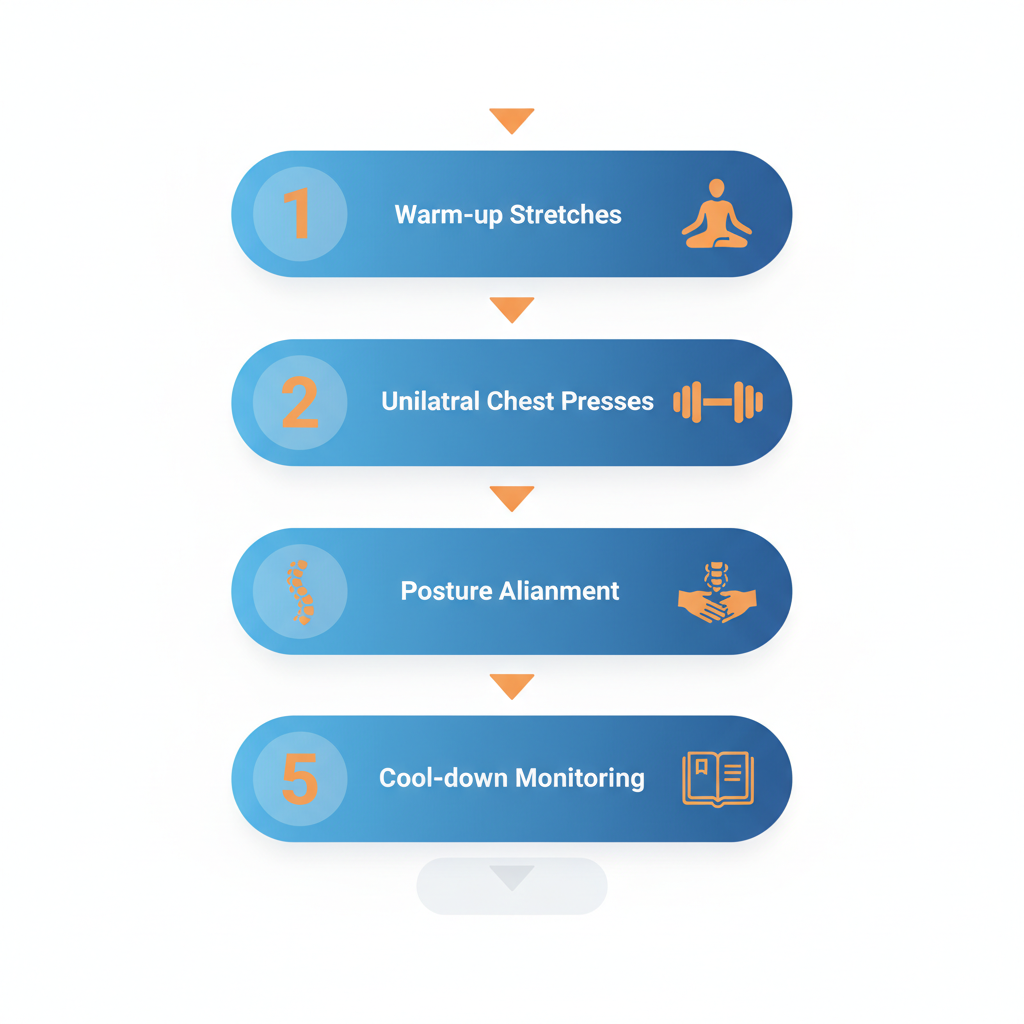
Step-by-step guide to natural breast balance exercises for weekly routine
Daily Habits and Professional Guidance
Incorporating simple habits enhances exercise efforts and supports how to fix breast asymmetry without surgery. Maintain good posture by aligning shoulders back and avoiding slouching, using ergonomic desks or reminders to sit tall. Wear well-fitted, supportive bras to distribute weight evenly, opting for those with adjustable straps.
Self-massage routines, as suggested by Healthline for breast asymmetry, can improve circulation. Apply a natural oil like almond or coconut, then gently massage the smaller breast in circular motions for 5-10 minutes daily, starting from the outer edges inward. Combine this with deep breathing to relax chest muscles. These techniques offer low-cost options for non-surgical correction.
Seek professional guidance if asymmetry persists or worsens, as it may signal hormonal imbalances. A specialist can assess and recommend tailored plans, ensuring habits align with your health profile. Always prioritize evidence-based methods over unverified trends.
Monitoring Progress and Adjustments
Track progress by taking monthly photos in consistent lighting and noting bra fit changes. Visible improvements from these practices often appear in 4-8 weeks, but factors like asymmetrical breasts causes–such as puberty or weight fluctuations–may influence timelines.
Adjust routines safely by increasing reps gradually or consulting a trainer for form checks. If no changes occur after two months, revisit a doctor to explore other options. This methodical approach ensures sustainable results while minimizing risks.
Embracing Natural Paths to Breast Symmetry
Breast asymmetry is a common variation, often stemming from asymmetrical breasts causes like hormonal shifts or developmental differences that many women experience naturally. Embracing this reality opens doors to how to fix breast asymmetry without surgery, such as targeted exercises, balanced nutrition, and improved posture, which can foster subtle improvements over time. Many wonder, can you fix uneven breasts naturally? The answer lies in sustainable breast harmony approaches that prioritize gentle, consistent efforts for empowered natural wellness journeys.
Patience and dedication are key to seeing results from these methods, as changes unfold gradually with regular practice. While natural strategies hold promise, it’s essential to consult a healthcare professional for any persistent concerns, as Cleveland Clinic recommends check-ups for sudden changes to rule out underlying issues. Celebrate your body’s unique form, knowing that true confidence transcends size or shape, fostering a deeper sense of self-acceptance and vitality.
For more guidance, explore Uneven Breast Size Solutions Exercise and other resources on WellnessHQ.net to continue your path to balanced wellness. Use these guides to build sustainable habits and track gradual progress with confidence consistently over time.
