Monitoring your blood sugar levels is crucial for managing diabetes effectively. One commonly used method is the capillary blood glucose reading fingerstick. This quick and relatively simple procedure can be performed at home and provides important insights into your glucose levels. Understanding when and how to use it can significantly improve your diabetes management routine, ensuring you maintain optimal health.
Understanding Capillary Blood Glucose Reading Fingerstick
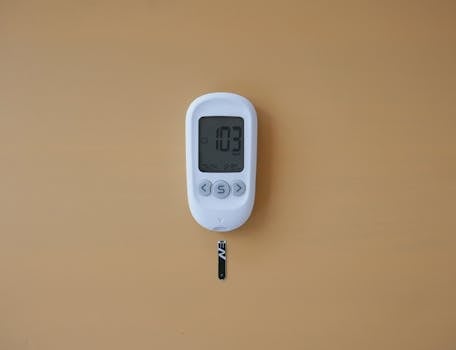
The capillary blood glucose reading fingerstick is a method used to measure the concentration of glucose in your blood. It involves pricking your fingertip with a small, sharp lancet to obtain a drop of blood, which is then placed on a test strip inserted into a glucose meter. This meter reads the blood glucose level and displays it on a screen, providing instant results.
How to Check Blood Sugar at Home
Checking blood sugar levels at home is an integral part of diabetes care. To perform a home glucose test, you’ll need a reliable glucose meter, test strips, and a lancet. Begin by washing your hands thoroughly with warm water to ensure the accuracy of your reading. Prick the side of your fingertip with the lancet, gently squeeze to obtain a blood drop, and place it on the test strip. The glucose meter will then display your blood sugar level within seconds.
Best Time to Check Blood Sugar Levels
Knowing the best time to conduct a glucose test can impact the data’s accuracy and relevance. Generally, it’s recommended to check your blood sugar levels at different times based on your healthcare provider’s advice. For accurate fasting glucose levels, performing the test first thing in the morning, before consuming any food, is ideal. Postprandial (after eating) readings are typically taken two hours after a meal to see how well your body is managing sugar intake. This can help in adjusting medication or lifestyle choices.
For those managing type 2 diabetes, understanding the best time to check blood sugar levels is often linked to specific goals set with your health care professional. Being consistent with testing times helps track trends over time, which is vital for effective diabetes management.
Explore our comprehensive guide to managing type 1 and type 2 diabetes for more information.
Factors Affecting Blood Glucose Readings
Several factors can influence the reading from a capillary blood glucose test. These include the timing of your last meal, the types of food consumed, physical activity levels, and current medications. External factors like stress or illness can also impact blood sugar readings. Being mindful of these can help interpret the test results more accurately.
Tips for Accurate Blood Sugar Monitoring
Here are some tips to ensure the most accurate at-home blood sugar test results:
- Use the correct side of your fingertip, as it often yields more blood with less discomfort.
- Rotate fingers regularly to prevent soreness.
- Collect enough blood to cover the test strip area fully.
- Calibrate your glucose meter regularly, according to the manufacturer’s instructions.
- Store test strips properly, ensuring they are not expired or exposed to moisture.
Consistency in your testing method can lead to more reliable data. Always follow your glucose meter’s instructions for use and reach out to a healthcare provider if you notice unusual patterns in your blood sugar readings.
Commonly Asked Questions
When it comes to how long after eating to check blood sugar, ideally, you should wait about two hours post-meal. This timing can reflect how your body processes glucose from food consumption.
Best Time to Test Sugar for Type 2 Diabetes
The best time to do a glucose test for those with type 2 diabetes often includes fasting glucose readings in the morning and taking readings before and after meals. This schedule helps evaluate how the body handles glucose across daily activities and meals.
Regular monitoring provides insights that can aid in dietary adjustments and medication timing if necessary. It’s essential to coordinate with a healthcare provider to determine the most beneficial testing routine for your individual needs.
Takeaways
- The capillary blood glucose reading fingerstick is a vital tool for diabetes management.
- Home glucose tests should be performed consistently and accurately.
- Regular monitoring can guide lifestyle and treatment decisions.
- Know the best times to test for more meaningful data.
- Consult healthcare professionals to optimize your monitoring schedule.
FAQs
What is a capillary blood glucose reading fingerstick?
A capillary blood glucose reading fingerstick is a method to measure blood sugar levels by obtaining a small blood sample from the fingertip.
How frequently should I test my blood glucose levels?
The frequency of testing can vary based on individual health goals and doctor recommendations, but generally includes daily tests like fasting glucose and post-meal checks.
Does the time of day affect blood glucose levels?
Yes, the time of day can significantly impact blood glucose levels, with factors such as meals, physical activity, and sleep playing roles. This highlights the importance of strategic timing for tests.
What can affect my glucose test results?
Various factors, including food intake, recent activity, medications, and stress levels, can influence glucose test results. Understanding these can help in accurate interpretation.
Where can I learn more about diabetes care and monitoring?
For a deeper dive into diabetes treatment and management, consider visiting this reliable online resource for comprehensive information.
Monitoring your blood sugar through the capillary blood glucose reading fingerstick is invaluable for managing diabetes effectively. By understanding the best times and methods for testing, you can gain better control over your health and, alongside professional guidance, make informed decisions that support your wellbeing.