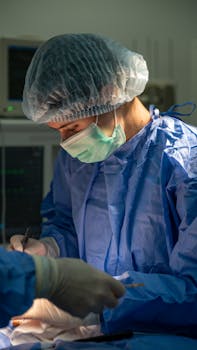
Seromas are pockets of fluid that can accumulate after surgery, causing discomfort and prolonging recovery. When looking for an effective treatment for seromas, it’s essential to consider medical options alongside home remedies. Understanding these strategies can aid in reducing seroma formation and ensuring a smoother healing process.
Understanding Treatment for Seromas
Seromas often develop when lymph fluid collects post-surgery or injury. Though not typically dangerous, they’re important to monitor. Treatments vary depending on the seroma’s size and symptoms. For small seromas, medical professionals may recommend observation as they often resolve on their own. Larger or symptomatic seromas may necessitate more direct interventions.
Medical Treatments
- Needle Aspiration: Involves using a sterile needle to draw out fluid. This is a common outpatient procedure for seromas that don’t resolve naturally.
- Surgical Intervention: Rarely, surgery may be necessary if the seroma is persistent or becomes infected.
- Compression Garments: These may be recommended post-procedure to prevent future fluid accumulation.
Home Remedies and Self-Care
While awaiting medical treatment for a seroma, some home remedies might help manage symptoms:
- Apply Heat: Gently applying warm compresses may increase circulation and assist fluid reabsorption.
- Rest and Elevation: Resting the affected area and elevating it can reduce swelling.
- Adequate Hydration: Staying well-hydrated supports various body processes, including healing.
Some individuals also explore natural treatments for swelling, finding that certain herbal remedies might offer supportive care.
Professional Guidance and Follow-Up
Consistent medical follow-up is vital to prevent complications such as infections. If symptoms persist or worsen, contacting a healthcare provider is imperative. Regular appointments allow for monitoring and managing any potential drawbacks associated with treatments.
Prevention Strategies
- Post-Surgical Care: Adhering to post-operative instructions can substantially reduce the risk of seromas.
- Activity Modification: Avoiding strenuous activities allows the surgical area to heal properly, preventing fluid build-up.
- Healthy Lifestyle: Maintaining a balanced diet and regular exercise enhances overall healing and bodily function.
Incorporating these strategies can minimize the occurrence and effects of seromas. Discussing specific preventative measures with a healthcare provider is advisable, particularly for individuals undergoing surgeries with a high risk of seroma development.
When to Seek Medical Help
If you experience signs of infection, such as redness, warmth, increased pain, or fever, prompt medical evaluation is crucial. Infections may require antibiotics or additional drainage procedures.
Conclusion
In summary, an effective treatment for seromas encompasses both medical intervention and self-care measures. Monitoring symptoms, understanding treatment options, and following preventive measures contribute significantly to healing and comfort.
- Seromas often resolve naturally but require monitoring.
- Medical options include needle aspiration and surgery.
- Home remedies like heat application may help.
- Prevention is key post-surgery for reducing seroma risk.
- Seek medical attention if infections signs occur.
What is a seroma?
A seroma is a collection of fluid that develops under the skin, often after surgical procedures or trauma, as a part of the body’s natural response to injury.
How is a seroma diagnosed?
A healthcare professional typically diagnoses a seroma through a physical examination. In some cases, imaging tests like ultrasounds may be used for further evaluation.
Why do seromas form after surgery?
Seromas form as a result of the body’s natural healing process in response to tissue disruption. Fluids accumulate in areas where tissue has been removed or disrupted.
Can seromas lead to complications?
Though often harmless, seromas can lead to discomfort or infection if not managed properly. It’s important to monitor and consult with a healthcare provider if symptoms persist.
How can lifestyle changes help in preventing seromas?
Engaging in appropriate post-operative care, maintaining hydration, and following a healthy lifestyle can play crucial roles in reducing the likelihood of seroma formation and speeding up recovery.