Understanding how to lower A1C quickly is crucial for individuals managing diabetes. A1C reflects average blood glucose levels over the past two to three months and is an essential indicator of blood sugar management. While quick solutions can be tempting, adopting sustainable strategies is key to effective A1C reduction. Let’s explore the best approaches to achieving this goal.
How to Lower A1C Quickly
Lowering A1C quickly involves both immediate changes and long-term strategies. By combining lifestyle modifications with medical guidance, you can effectively manage your blood sugar levels.
Dietary Modifications
Diet plays a central role in managing blood sugar levels. Eating a balanced diet rich in whole grains, vegetables, lean proteins, and healthy fats can substantially lower A1C levels. Avoid processed foods high in sugar and refined carbs as they can promptly spike blood sugar. Experimenting with portion sizes and meal timing can also positively impact your glucose control. For more detailed dietary advice on diabetes, you can visit our comprehensive guide.
Physical Activity
Incorporating regular physical activity into your routine can be incredibly effective. Exercise improves insulin sensitivity, enabling your body to use glucose more effectively. Aim for at least 150 minutes of moderate aerobic activity weekly, but even short bursts of activity can help lower A1C levels. Consult your healthcare provider to tailor an exercise plan that suits your needs.
Monitoring Blood Sugar
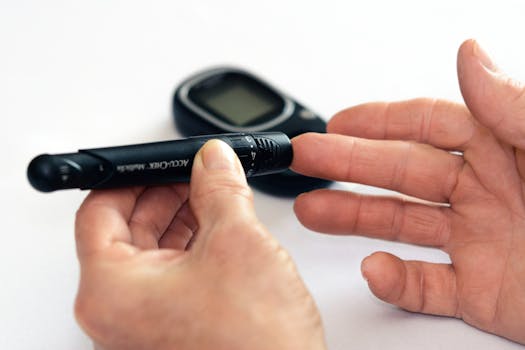
Close monitoring of your blood sugar levels can provide insights into how certain behaviors affect your A1C. Continuous glucose monitors or regular blood sugar tests can guide dietary and lifestyle adjustments. By identifying trends, you can implement more effective strategies to maintain steady glucose levels.
Medication Management
For some, medication will be part of managing diabetes. It’s crucial to follow your healthcare provider’s guidance when using medications to lower A1C. Always discuss any changes in medication timing or dosage with your doctor. While medications are effective, combining them with lifestyle changes can lead to the most significant impact on your A1C.
Stress Management
Stress can significantly affect blood sugar control. Incorporating stress-reduction techniques such as meditation, deep breathing, or yoga can decrease stress levels, thus helping to lower A1C. Finding activities that provide relaxation and peace can be incredibly beneficial.
Sleep Optimization
Quality sleep is often overlooked but can make a noticeable difference in A1C levels. Poor sleep can negatively influence insulin sensitivity and glucose levels. Prioritizing good sleep hygiene, such as maintaining a regular sleep schedule and creating a restful environment, can support your efforts to reduce A1C.
Engage with Healthcare Providers
Regular consultations with healthcare providers can guide effective strategies for lowering A1C. Healthcare teams can offer personalized advice that aligns with your health goals. Don’t hesitate to reach out for support and ask about any new treatments or approaches available.
Natural Ways to Lower A1C
Exploring natural ways to lower hemoglobin A1C can be beneficial, especially when aiming to reduce A1C naturally. Employing dietary supplements, promoting healthful diets, and considering herbal remedies under the guidance of a healthcare professional can complement traditional management methods. However, always seek professional advice before starting any new supplement regimen.
Takeaways
- Combine dietary adjustments and exercise to lower A1C effectively.
- Monitoring blood sugar levels helps guide necessary lifestyle changes.
- Medication should be managed with professional guidance.
- Stress reduction and good sleep support blood sugar control.
- Consulting healthcare providers ensures personalized management plans.
FAQ
How long does it take to lower A1C?
Lowering A1C is a gradual process that varies for each person. Significant changes can be seen in two to three months when combining lifestyle strategies and medical treatments.
Can I lower A1C without medication?
Yes, it’s possible for some individuals to lower A1C without medication through diet, exercise, and lifestyle changes. However, medical supervision is recommended for effective management.
What are the natural ways to lower A1C?
Natural methods include a balanced diet, regular physical activity, stress management, and adequate sleep. Some also explore dietary supplements with a healthcare provider’s approval.
Does weight loss affect A1C?
Yes, losing weight can improve insulin sensitivity and assist in lowering A1C. A modest reduction in weight can have a meaningful impact on blood sugar control.
What is the best way to lower A1C?
The best approach to lower A1C includes a comprehensive plan incorporating diet, exercise, medication management, and regular consultations with healthcare professionals. Individual factors should guide specific methods.
Lowering A1C effectively and sustainably involves understanding and implementing a variety of strategies. By adopting these methods, you’ll be better equipped to achieve and maintain healthy blood sugar levels. To further explore managing your condition, visit a reliable resource such as this informative page for general health guidelines.