Have you found yourself frustrated after a mole removal procedure, wondering why your freezing mole didn’t work as expected? You’re not alone. Freezing, or cryotherapy, is a common treatment for removing moles, but it doesn’t always yield the desired results on the first attempt. Let’s explore some reasons behind this and what steps you can take to address the issue.
Understanding Why Freezing Mole Didn’t Work
Freezing treatments aim to destroy the abnormal cells that form a mole by exposing them to extreme cold. However, a variety of factors can influence the success of this procedure. Sometimes, moles are simply resistant to initial treatments, requiring additional sessions for complete removal.
It’s important to remember that not all moles are created equal. The type, size, and depth of a mole can all impact how effectively it responds to freezing. Additionally, the skill and experience of the practitioner can play a significant role in the procedure’s outcome. If the freezing temperature isn’t sufficiently low or the application isn’t precise, some cells may survive and regenerate.
Factors Affecting Cryotherapy Success
Let’s delve into some specific factors that might have contributed to why your freezing mole treatment didn’t work.
- Mole characteristics: Larger, deeper, or atypical moles may require more aggressive or repeated treatments.
- Freezing technique: An imperfect freezing method or insufficient cold exposure might leave some mole cells intact.
- Practitioner experience: A skilled professional with extensive experience in cryotherapy can often achieve better results than someone less familiar with the technique.
- Individual skin response: Each person’s skin reacts differently to treatments, and some may naturally require more sessions for complete mole removal.
Next Steps For Mole Removal
If your initial treatment did not succeed, there are several paths forward. Consulting with your healthcare provider can help determine the necessity for additional freezing sessions. They might suggest trying another treatment method, such as surgical excision or laser therapy, particularly for moles that are resistant to cryotherapy.
It’s also essential to follow aftercare instructions diligently. Proper wound care can prevent complications and promote healing, enhancing the effectiveness of the treatment.
Exploring Alternative Treatments
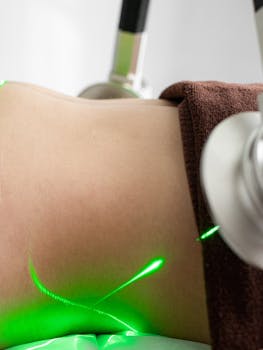
While freezing can be effective, it’s not the only option for mole removal. Surgical methods may offer a more permanent solution for certain moles and can be discussed with your dermatologist. Laser therapy is another non-invasive approach that can be considered.
For more in-depth information about alternative treatments, you may want to explore credible resources such as this Wikipedia article on health.
Prevention and Monitoring
While you navigate through treatment options, it’s vital to continue monitoring your skin for any changes. Regular skin checks, either by yourself or with a professional, can help detect new or altered moles early on. If you notice any developments, consult your healthcare professional promptly.
Incorporating sun protection measures and maintaining a healthy lifestyle are also important steps in reducing the risk of developing additional moles or having existing ones change in appearance.
Conclusion
Understanding why freezing mole didn’t work is crucial in determining your next steps. With a proper evaluation and potential treatment adjustments, you can achieve your desired outcome. Remember to consult with healthcare professionals and take proactive measures to safeguard your skin health.
- Initial cryotherapy may not work due to mole characteristics or technique issues.
- Consulting with professionals can help tailor further treatment options.
- Alternative methods, such as surgical removal or laser therapy, may be considered.
- Continual skin monitoring and sun protection are vital.
- Ensuring practitioner expertise can improve treatment success.
What should I do if freezing a mole didn’t work?
Consult your healthcare provider for further assessment and to discuss other treatment options such as surgical excision, laser therapy, or additional cryotherapy sessions.
Is it normal for a mole to regrow after freezing?
Yes, it’s possible for a mole to regrow if not all the cells are destroyed during the initial cryotherapy, especially if the mole is larger or deeper.
How can I prevent moles from changing or growing back?
Regular skin checks, sun protection, and maintaining a healthy lifestyle can help minimize the risk of moles changing or developing.
Are there risks associated with cryotherapy?
While generally safe, cryotherapy can sometimes cause temporary skin irritation, scarring, or pigment changes. Discuss potential risks with your practitioner.
What are some alternatives to mole freezing?
Other treatments include surgical removal, laser therapy, and in some cases, topical medications. Discuss with your dermatologist which option is best for your situation.