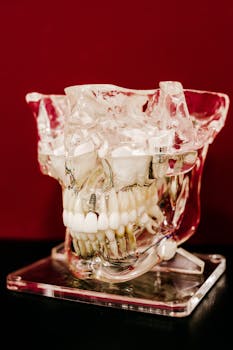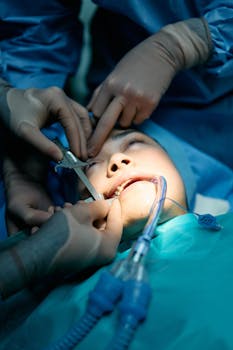
The decision to undergo jaw definition surgery is often motivated by both health and aesthetic desires. This procedure, aimed at enhancing the jawline’s appearance, also holds potential benefits for overall facial harmony and functional improvements. Whether you’re considering this surgery to refine your jaw’s shape or to address issues like misalignment, it’s important to understand the implications and benefits involved. This article delves into the various aspects of jaw definition surgery, its impact on health and aesthetics, and important considerations if you’re planning such a procedure.
Understanding Jaw Definition Surgery
Jaw definition surgery is a cosmetic and functional procedure designed to alter the shape of the jawline. It can involve reshaping the jawbone, adding implants, or reducing excess tissue for better contour and symmetry. Primarily, this surgery aims to enhance the balance of facial features by offering a more pronounced or delicate jawline, depending on personal goals.
While many seek this surgery for aesthetic purposes, it can also address functional concerns such as bite misalignment or temporomandibular joint (TMJ) disorders. By correcting these issues, patients may experience relief from chronic pain or discomfort and achieve better oral health.
Health Benefits of Jaw Definition Surgery
Beyond enhancing your appearance, jaw definition surgery can have several health benefits. It may improve breathing and swallowing functions for some individuals. When performed to correct structural issues, this surgery can alleviate pain associated with TMJ disorders or misaligned bites, improving the quality of life.
There is also potential for psychological benefits. Those who undergo the surgery for cosmetic reasons often report boosted self-esteem and confidence, which can positively impact their overall mental well-being. By achieving a facial structure they feel comfortable with, patients may find improved interactions in social and professional settings.
Risks and Considerations
As with any surgical procedure, jaw definition surgery comes with risks that should be carefully considered. Potential complications include infection, scarring, and nerve damage, which could lead to temporary or permanent numbness. It’s crucial to have a thorough consultation with a qualified surgeon to discuss the risks and determine whether you are a good candidate for the procedure.
Post-surgery, recovery time can vary, but generally, patients can expect swelling and discomfort for several weeks. Following your surgeon’s aftercare instructions is vital for a smooth recovery process. For more detailed information about the expenses involved, you might find it helpful to read about the costs of jaw reduction surgery.
Preparing for Surgery
Preparation for jaw definition surgery involves several stages, from initial consultations to the actual surgical process. During the first consultation, your surgeon will evaluate your medical history, discuss your goals, and conduct necessary imaging tests such as X-rays or CT scans to understand your jaw’s structure better.
In the weeks leading up to the surgery, patients are typically advised to avoid medications that can increase bleeding, refrain from smoking, and follow specific dietary guidelines. These measures ensure optimal conditions for surgery and recovery.
Post-Surgery Expectations
After the surgery, expect a recovery period that includes swelling, bruising, and some pain, which can be managed with prescribed medications. Most patients are required to follow a liquid or soft diet initially and gradually reintroduce solid foods as they heal.
Your surgeon will provide guidance on oral hygiene practices and any limitations on physical activities. Regular follow-up appointments are important to monitor progress and address any concerns that may arise during the healing process.
For additional information on health-related topics, consider visiting this Health page on Wikipedia.
Concluding Thoughts
Jaw definition surgery offers numerous benefits, both functionally and aesthetically. It may be an ideal choice for those seeking relief from functional issues or wishing to enhance their facial appearance. If you’re contemplating this surgery, it’s essential to research thoroughly, consult with qualified experts, and weigh the potential risks and rewards.
- Jaw definition surgery can improve facial balance and address structural issues.
- It may offer health benefits such as alleviating TMJ disorders or bite misalignment.
- As with any surgery, there are risks that should be discussed with a professional.
- The recovery process requires specific aftercare for optimal results.
- Consultation with a surgeon will help tailor the procedure to individual needs.
FAQs
What is jaw definition surgery?
Jaw definition surgery is a procedure that reshapes or enhances the jawline for both cosmetic and functional improvements. It may involve bone reshaping or the use of implants.
How does this surgery improve health?
By correcting structural issues, jaw definition surgery can relieve pain from TMJ disorders, improve bite alignment, and even enhance breathing and swallowing functions.
Who is a good candidate for the surgery?
Individuals seeking enhanced facial aesthetics or those with functional concerns such as bite issues may be suitable candidates. A detailed consultation with a surgeon is necessary to assess eligibility.
What are the risks involved?
Like any surgical procedure, risks include infection, scarring, and possible nerve damage. It is vital to discuss these with your surgeon to make an informed decision.
Is the recovery process extensive?
Recovery typically involves a few weeks of swelling and bruising. Patients may need to follow a soft or liquid diet initially and adhere to post-operative care instructions diligently.