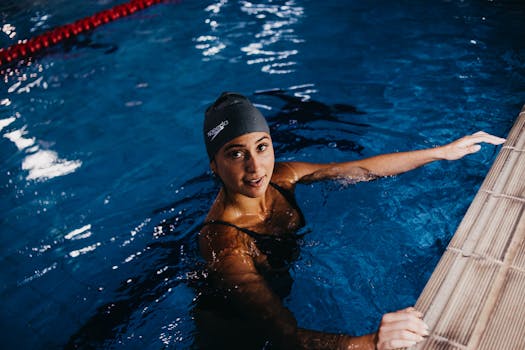
The aspiration to achieve a swimmers physique often stems from a desire for both aesthetic appeal and peak athletic performance. A swimmers physique is characterized by a slender, muscular build with broad shoulders, a toned core, and strong legs. This type of physique not only enhances performance in the water but also contributes to overall health and fitness.
Understanding the Swimmers Physique
Swimmers are renowned for their streamlined and powerful bodies, developed through extensive and targeted training. The primary attributes of a swimmers physique include increased cardiovascular endurance, muscular strength, and flexibility. This well-rounded fitness level enables swimmers to excel in their sport and maintain a high level of health.
Key Components of a Swimmers Training Regimen
To cultivate the physique of a swimmer, it is important to incorporate a variety of activities into a training routine:
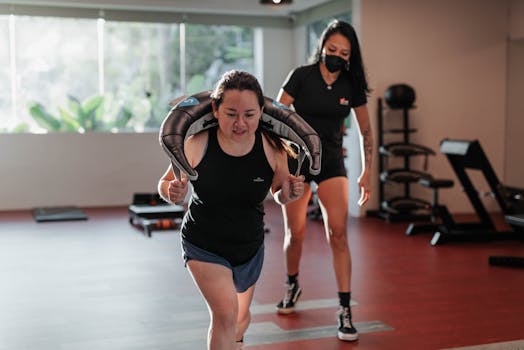
- Strength Training: Focus on exercises that build upper body strength, such as pull-ups, push-ups, and resistance training, combined with core workouts to improve stability in the water.
- Cardiovascular Exercises: Include swimming drills, interval training, and other aerobic exercises like running or cycling to boost endurance.
- Flexibility Work: Regular stretching and yoga sessions can enhance flexibility, allowing swimmers to perform strokes and turns more effectively.
- Technique Improvement: Refining swimming techniques and maintaining proper form helps reduce drag and increases efficiency in the water.
Nutrition for Optimal Performance
The diet of a swimmer plays a crucial role in achieving peak performance and maintaining a swimmers physique. Balanced nutrition supports energy levels necessary for intense training sessions and aids in muscle recovery. A nutrient-rich diet should include:
- Proteins: Lean meats, fish, eggs, and legumes to support muscle repair and growth.
- Carbohydrates: Whole grains, fruits, and vegetables to provide the primary energy source for workouts.
- Fats: Healthy fats like avocados, nuts, and olive oil to aid in nutrient absorption and hormone production.
- Hydration: Adequate water intake to prevent dehydration, which can impair performance and recovery.
Developing the Swimmers Physique: Mind and Body
A successful training program not only transforms the body but also strengthens the mind. Mental resilience is essential for withstanding rigorous training schedules and overcoming challenges in competition. Techniques such as visualization, mindfulness, and goal setting are often incorporated into a swimmer’s routine to enhance focus and motivation.
The Role of Recovery
Recovery is a fundamental component of any training regimen. Proper rest allows the body to repair and strengthen muscles, leading to improved performance and injury prevention. Incorporating rest days, sleep, and active recovery activities like light swimming or walking can maximize the benefits of intense training sessions. To learn more about the latest health research and treatments, visit our article on cutting-edge cancer research techniques.
Benefits Beyond the Pool
A swimmers physique offers more than just competitive advantages. Improved cardiovascular health, increased muscle strength, and enhanced flexibility contribute to a well-rounded, healthy lifestyle. Furthermore, swimming is a low-impact exercise, making it accessible to individuals of all ages and reducing stress on the joints while still providing a highly effective workout.
Additional Resources and Support
For those looking to delve deeper into achieving a swimmers physique or enhancing their swimming skills, numerous resources are available. Consulting with a professional coach can provide personalized training plans and technique guidance. Additionally, exploring educational materials and reputable websites like Health on Wikipedia can offer valuable insights into maintaining a healthy lifestyle.
Ultimately, a swimmers physique represents a harmonious blend of strength, endurance, and flexibility, supporting not only athletic prowess but also overall health and vitality.
- A swimmers physique combines muscular strength, flexibility, and cardiovascular endurance.
- Training includes strength, cardio, and flexibility exercises with an emphasis on technique.
- Proper nutrition and hydration are essential for performance and recovery.
- Mental resilience and recovery strategies play a key role in training success.
- Swimming offers numerous health benefits beyond competitive performance.
Frequently Asked Questions
What is the best way to start building a swimmers physique?
Begin with a balanced training schedule that includes strength exercises, swimming drills, and flexibility work. Consistency and gradual progression are key.
Can I achieve a swimmers physique without swimming?
While swimming provides specific advantages, strength training, cardio exercises, and flexibility work can collectively help develop a similar physique.
What dietary changes should I make to support my training?
Focus on a balanced diet rich in proteins, carbohydrates, healthy fats, and hydration to support energy levels and muscle recovery.
How important is rest in a swimming training program?
Rest is crucial as it allows the body to recover, enhancing muscle strength, and reducing injury risks. Include rest days and prioritize sleep for optimal results.
Are there any special considerations for amateur swimmers?
Amateur swimmers should focus on mastering techniques and maintaining a balanced training program. Consulting a coach can provide tailored guidance and prevent overtraining.