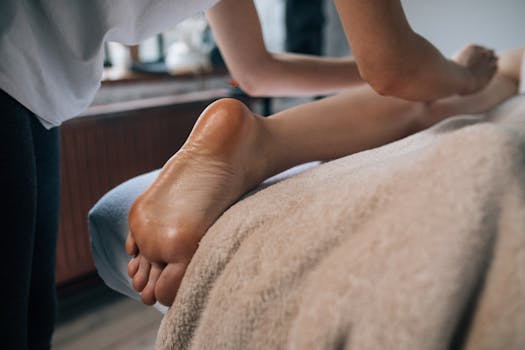
There is a growing recognition in the health and wellness space that recovery and long-term physical wellbeing are not the same thing — and that treating them as if they were is one of the most common mistakes people make after an injury or period of pain. Physiotherapy addresses the immediate problem. Pilates builds the foundation that stops it from coming back. When both are delivered by experienced practitioners who understand how the two disciplines interact, the results can be genuinely transformative.
The Gap Between Recovery and Resilience
Most people seek out physiotherapy when something goes wrong — a sore back, a sports injury, persistent neck pain, post-surgical rehabilitation. The treatment helps manage pain, restore movement, and address the specific dysfunction that brought them through the door. What it often cannot fully address, at least within the traditional model of a few sessions and a set of home exercises, is the underlying physical literacy that would have prevented the problem in the first place.
That is not a criticism of physiotherapy — it is simply a recognition of what it is designed to do. Short-term physiotherapy is exceptionally good at resolving acute problems. But many of the conditions that bring people to a physio clinic are rooted in deeper issues: poor movement patterns, muscular imbalances, insufficient core stability, or the physical deconditioning that accumulates through years of sedentary work. Addressing those factors requires a different kind of ongoing commitment.
Where Pilates Fits In
Pilates — particularly reformer-based Pilates — has earned a well-deserved reputation as a rehabilitation and conditioning tool because it targets exactly the gaps that physiotherapy alone often leaves. It builds deep postural and stabilising muscles that conventional gym training tends to overlook, improves body awareness and movement efficiency, and can be precisely calibrated to accommodate injury, pain, or physical limitation. It is, in many ways, the ideal bridge between clinical treatment and independent, sustainable movement.
The reformer itself — a spring-resistance apparatus that supports the body through controlled, flowing exercises — allows for a level of exercise specificity that is difficult to achieve on a mat alone. The spring system can offload joints under compression, support weak or injured structures while they rebuild strength, and progressively increase demand as capacity improves. For someone transitioning out of physiotherapy, or managing a condition that requires ongoing physical care, reformer-based training offers a structured, safe, and highly effective pathway forward. If you are looking for Reformer Pilates in Auckland, finding a studio with strong clinical roots makes an important difference to how well the programme is tailored to your needs.
The Value of Clinical Oversight
Not all Pilates is equal, and that matters most when you are dealing with an existing injury, a chronic condition, or a post-surgical body. Pilates delivered by instructors with clinical training is a fundamentally different experience from a general group class. Clinical instructors understand pathology, know how to modify exercises for specific presentations, and can communicate meaningfully with other members of your health team. They are not simply fitness instructors who have added some equipment to the mix — they are health professionals who use movement therapeutically.
This is why the integration of physiotherapy and clinical Pilates within the same practice is so valuable. When a physio and a Pilates instructor are working from the same clinical picture — sharing notes, aligning goals, and tracking progress together — the transition from treatment to rehabilitation to long-term conditioning is seamless. You do not lose continuity. You do not have to re-explain your history to a new provider. And the programme you follow in Pilates sessions is genuinely informed by what your physiotherapist knows about your body.
Who Benefits Most From This Combined Approach
The combination of physiotherapy and clinical Pilates is particularly effective for several groups of people. Those recovering from spinal conditions — whether disc issues, facet joint pain, or post-surgical recovery — often find that the core stability focus of Pilates accelerates their rehabilitation in ways that exercise alone cannot. People with chronic pain conditions benefit from the gentle, controlled nature of reformer work, which allows them to build physical confidence without aggravating their symptoms. Athletes returning from injury use the combination to rebuild functional strength and movement quality before returning to sport-specific training. And people simply looking to move better, feel stronger, and reduce their risk of future problems find it provides exactly the structured, expert-guided progression they need.
Pregnancy and postpartum recovery is another area where this combined approach has particular value. The physiological changes of pregnancy affect posture, pelvic floor function, and core stability in ways that require careful, clinically informed management — both during and after. A physiotherapist and a qualified Pilates instructor working together can provide consistent, appropriate support through each stage of that process.
Finding the Right Provider in Auckland
Auckland has no shortage of physiotherapy clinics and Pilates studios, but relatively few offer the kind of genuine clinical integration described here. When choosing a provider, it is worth asking whether the physiotherapists and Pilates instructors work as a team, whether referrals between the two services are routine and clinically informed, and whether the Pilates instruction is delivered by people with formal health or rehabilitation training.
For those specifically looking for a physio in Auckland who operates with this integrated model in mind, the difference in outcomes — particularly for people with complex or persistent issues — can be substantial. Good physiotherapy does more than reduce your pain in the short term; it sets you up with the knowledge and physical tools to manage your own health more effectively over time.
Peak Pilates is a clinically grounded Pilates studio offering reformer classes and individualised programmes designed to complement physiotherapy and support long-term physical health. Their approach prioritises movement quality, clinical safety, and genuine results — the kind of Pilates that works hand in hand with rehabilitation rather than running parallel to it.
Making Movement a Long-Term Investment
The most effective thing you can do for your physical health is not to react to problems when they arise — it is to build the strength, awareness, and movement quality that prevent those problems from occurring in the first place. Physiotherapy and Pilates, used together intelligently, are two of the best tools available for doing exactly that. The investment you make in getting expert guidance now pays dividends in how well you move, how you feel, and how resilient your body becomes over the years ahead.