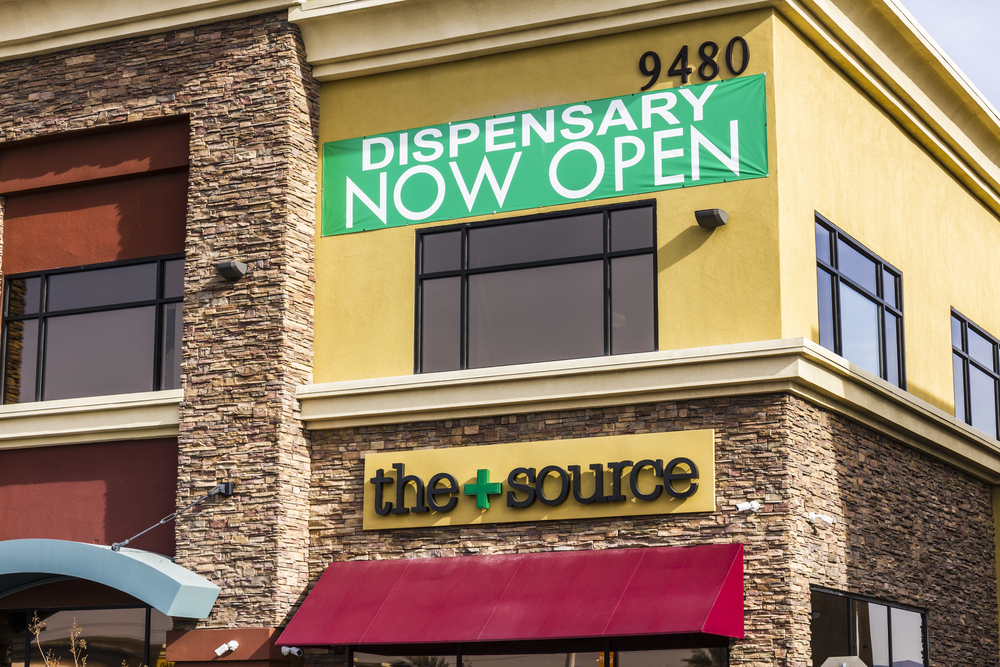
The first time you walk into a licensed cannabis dispensary can feel overwhelming. Display cases filled with dozens of flower strains, refrigerators stocked with edibles, shelves lined with vape cartridges and tinctures and topicals. Menus list THC percentages and terpene profiles and strain names that sound like they were invented by a teenager. Other customers seem to know exactly what they want while you stand there wondering where to even begin. This feeling is completely normal, and it fades quickly once you understand how dispensaries organize their products and what questions to ask. After you have obtained your cannabis card online, the next step is learning how to actually use it effectively.
Dispensaries vary widely in atmosphere and approach. Some feel like Apple stores with minimalist design and tablet menus. Others resemble old-school pharmacies with products behind glass and consultations at a counter. Medical-only dispensaries tend toward the clinical end of the spectrum, with staff trained to discuss conditions and treatment approaches. Recreational shops often emphasize the retail experience. Neither model is inherently better, but knowing what environment you prefer can help you choose where to shop. Most states allow you to search for a cannabis dispensary near me and read reviews before visiting, which takes some of the uncertainty out of that first trip.
Making Sense of Strains
Cannabis flower remains the most traditional form of the plant, and dispensaries typically stock dozens of strains at any given time. You will see them categorized as indica, sativa, or hybrid, but these labels deserve some skepticism. The indica-equals-sleepy and sativa-equals-energetic framework has been repeated so often that most people accept it as fact, but the science does not really support it. After decades of cross-breeding, virtually all commercial cannabis is genetically hybrid. What
actually determines how a strain affects you is its chemical profile, specifically the combination of cannabinoids like THC and CBD along with aromatic compounds called terpenes. A strain high in the terpene myrcene will tend toward sedation regardless of its indica or sativa label. One rich in limonene often produces more uplifting effects. The labels persist because they give people a simple vocabulary, but experienced patients learn to ask about terpene profiles rather than relying on categories.
For your first purchase, consider starting with a strain that has moderate THC levels and at least some CBD content. The presence of CBD smooths out the THC experience considerably, reducing the likelihood of anxiety or paranoia that can affect new users. Strains in the 15 to 18 percent THC range with even one or two percent CBD will feel very different from a 28 percent THC flower with no CBD at all. Higher numbers do not mean better medicine. They mean more intense effects, which is not always what you want, especially when you are still learning how cannabis affects your particular body. Ask the budtender about balanced or CBD-inclusive options. If they try to upsell you on the highest THC product in the store, find a different dispensary.
Beyond Flower: Understanding Product Types
Modern dispensaries carry far more than just smokable flower. Each product category offers different advantages and drawbacks, and understanding them helps you choose based on your actual needs rather than what looks interesting in the display case. Vape cartridges have become enormously popular because they are discreet, portable, and easy to dose. A small puff delivers effects within minutes, and you can stop there or continue as needed. The downside is that cartridges contain concentrated oil rather than whole plant material, which some patients find less therapeutically effective. Quality also varies dramatically between brands, so stick with licensed products that include lab testing results.
Edibles appeal to patients who prefer not to inhale anything. Gummies, chocolates, beverages, and baked goods all deliver cannabinoids through the digestive system, which means slower onset but longer-lasting effects. This is where new patients most often run into trouble. An edible can take 45 minutes to two hours before you feel
anything, which leads impatient people to eat more, which leads to an overwhelming experience when everything kicks in at once. The universal advice applies: start with a low dose, ideally five milligrams of THC or less, and wait at least two hours before considering more. Edibles also metabolize differently than inhaled cannabis, converting THC into a compound called 11-hydroxy-THC that crosses the blood-brain barrier more efficiently. This is why edible experiences can feel qualitatively different from smoking, not just stronger but almost like a different substance.
Tinctures offer a middle ground between inhaled products and edibles. These liquid extracts, usually suspended in oil or alcohol, get dropped under the tongue where they absorb through the mucous membranes. Onset is faster than edibles but slower than smoking, typically 15 to 30 minutes. Tinctures allow precise dosing since you can measure exactly how many milligrams you are taking, which makes them excellent for patients who need consistency. They are also discreet and have no smell. Topicals like lotions, balms, and patches deliver cannabinoids directly to the skin for localized relief without any psychoactive effects. Patients with arthritis, muscle soreness, or skin conditions often find topicals helpful, and they represent a zero-risk option for anyone nervous about feeling high.
What to Bring and What to Expect
Every dispensary requires valid identification, and medical dispensaries will need to verify your patient card. Bring both documents along with any physician recommendations that specify dosing or product types. Many dispensaries are cash-only due to federal banking restrictions on cannabis businesses, though this is changing as more payment solutions emerge. Check ahead or bring cash to be safe. First-time patient discounts are common, sometimes substantial, so ask about any promotions when you check in. Do not feel rushed during your visit. Good dispensaries expect questions from new patients and train their staff accordingly. Explain what symptoms you are trying to address, what experience level you have with cannabis, and whether you have any concerns about specific effects. A knowledgeable budtender can narrow down the options dramatically based on that information.
Some practical advice for after you leave: try your new product for the first time in a comfortable, familiar environment with no obligations for the next few hours. Have water and snacks available. If you are trying an edible, genuinely commit to waiting before redosing. Keep notes on what you tried, how much you took, and how it made you feel. This information becomes valuable over time as you dial in what works best for your situation. Cannabis medicine is genuinely personal. Two patients with the same condition might respond completely differently to the same strain, which is why systematic experimentation matters more than following someone else’s recommendations blindly.
The learning curve exists, but it flattens quickly. After a few dispensary visits you will have a sense of which product types suit your lifestyle, which strains address your symptoms, and which budtenders actually know what they are talking about. The overwhelming feeling of that first visit becomes expertise before you know it. Cannabis has been used medicinally for thousands of years, and there are good reasons it has persisted. The modern dispensary system, for all its quirks, represents an unprecedented level of access to tested, labeled, quality-controlled products. Take advantage of it thoughtfully, and you will likely find what works for you.