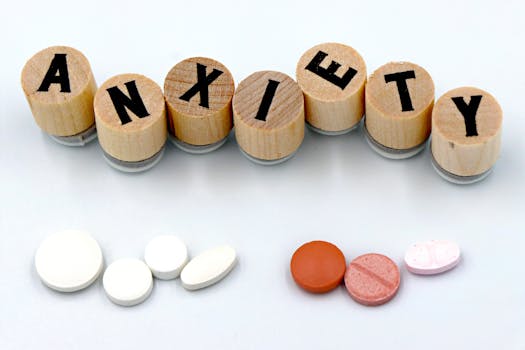
Anxiety medication can be a crucial component in managing anxiety disorders and improving quality of life for many individuals. With numerous options available, understanding how these medications work and what choices exist is essential. Whether you’re considering prescription drugs or exploring over-the-counter solutions, it’s important to make informed decisions. In this guide, we will explore different types of anxiety meds, their effectiveness, and what you should consider when seeking treatment.
Understanding Anxiety Medication
When it comes to anxiety meds, there are several types available. Prescription options like SSRIs and benzodiazepines are commonly prescribed for anxiety disorders. These medications typically work by altering brain chemistry to help reduce anxiety symptoms. Some people also look for over-the-counter anxiety meds for mild anxiety relief. However, the effectiveness of OTC options compared to prescription drugs can vary significantly.
If you’re exploring prescription medications, here’s a guide to over-the-counter alternatives that might be helpful as a starting point.
Types of Anxiety Meds
Anxiety medication can be broadly categorized into several types:
- Selective Serotonin Reuptake Inhibitors (SSRIs): Common SSRIs include medications like sertraline and fluoxetine. They are often the first line of treatment for long-term management of anxiety disorders.
- Benzodiazepines: Fast-acting anxiety meds like diazepam and lorazepam are useful for short-term relief. However, they come with risks of dependency and should be used under strict medical supervision.
- SNRIs (Serotonin-Norepinephrine Reuptake Inhibitors): These include medications like venlafaxine, which can also help with anxiety and depression.
- Beta Blockers: Often used for performance anxiety, these medications help manage physical symptoms such as rapid heartbeat.
Do Anti Anxiety Drugs Work?
The effectiveness of anxiety medication varies from person to person. Prescription medications have been extensively studied and are known to be effective for many individuals. The effectiveness of anti anxiety meds depends on the specific medication, the individual’s unique brain chemistry, and the context in which they’re used. It is important to consult with a healthcare provider to find the best medicines for anxiety for your situation.
Over-the-Counter Anxiety Medication for Adults
For those seeking non-prescription options, there are OTC anti anxiety meds available. These products often contain ingredients like chamomile, valerian root, or L-theanine, which are thought to have calming effects. While these may help reduce mild symptoms of anxiety, their effectiveness is less studied compared to prescription options.
For more on over-the-counter options, including potential benefits and limitations, consider visiting this resource to broaden your understanding of OTC health products.
How to Get Prescribed Anxiety Meds
If OTC options are not sufficient, you may require prescription drugs. To get prescribed anxiety pills, schedule a consultation with a healthcare provider. They will evaluate your symptoms and medical history to determine the best course of action. They can prescribe medications tailored to your specific needs, ensuring the treatment aligns with your lifestyle and health goals.
How Does Anxiety Medication Work?
Anxiety medication primarily affects neurotransmitters in the brain, helping to restore balance and reduce symptoms. For example, SSRIs increase serotonin levels, promoting feelings of well-being. Other medications may work on different pathways, but the end goal is to relieve symptoms of anxiety and improve quality of life.
Choosing the Right Anxiety Medication
There is no “one-size-fits-all” when it comes to finding the right anxiety medication names. Conditions vary widely, so personal and medical considerations should guide the decision-making process. Consulting with a qualified healthcare professional will provide personalized advice and help identify what is given for anxiety in your particular case.
For those interested in researching anxiety medication further, always refer to reputable resources or speak with medical experts to understand potential side effects and interactions. Online resources like the Wikipedia page on health can offer additional insights.
Takeaways
- Anxiety medication can effectively manage symptoms for many individuals.
- Various prescription and OTC options are available, but effectiveness varies.
- Consult with healthcare providers for personalized treatment plans.
- Understand potential side effects and risks associated with medications.
Frequently Asked Questions
What is the best medicine for anxiety?
The best medicine for anxiety varies per individual and often includes SSRIs or benzodiazepines under medical supervision.
Can you get over-the-counter anxiety pills?
Yes, various OTC options are available, although they are usually less effective than prescription drugs and may only help with mild symptoms.
Do anxiety pills work?
Anxiety pills work for many individuals by balancing chemicals in the brain to alleviate symptoms.
How does one get prescribed anxiety pills?
Consult a healthcare provider who will evaluate your symptoms and may prescribe medication if necessary.
Are there fast-acting anxiety meds?
Benzodiazepines are often used as fast-acting remedies, providing quick relief but with higher risks of dependency.
Understanding anxiety medication and its role in treatment empowers individuals to make informed health choices. Always consult healthcare providers for guidance specific to your health needs.