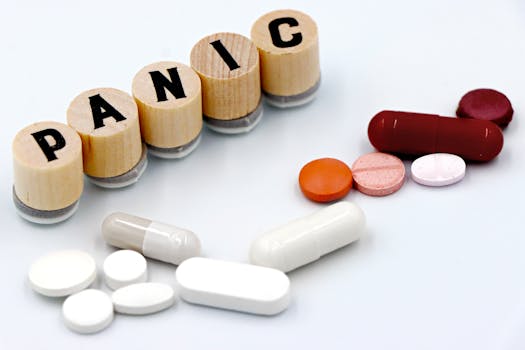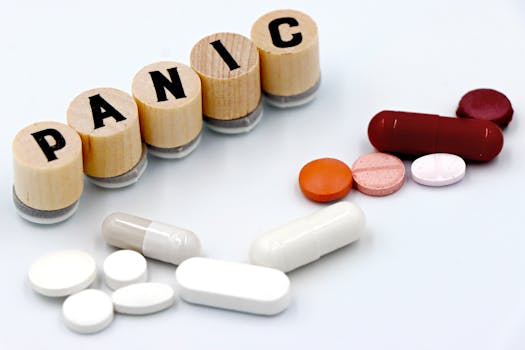
Experiencing chest discomfort or a racing heart can be alarming, leading many to wonder if it’s anxiety or a more serious heart attack. Recognizing the differences between anxiety heart attack symptoms is crucial in managing your health effectively. Anxiety and heart flutters might be harmless for most, but they can mimic the sensations associated with cardiac events, causing undue stress and concern.
Anxiety Heart Attack: Understanding the Differences
It’s important to remember that both anxiety and heart attacks can cause similar symptoms, such as chest pain, rapid heart rate, and shortness of breath. However, understanding the nuances between anxiety and heart attack symptoms can help individuals respond properly. Anxiety is a common condition characterized by feelings of worry or fear that are strong enough to interfere with one’s daily activities.
Individuals suffering from anxiety may experience various symptoms, such as heart palpitations or heart rate escalations. It’s common for people with anxiety disorders to question, does anxiety cause high heart rate or does anxiety increase heart rate? The answer is yes — anxiety can lead to these physiological changes, which are often harmless in otherwise healthy individuals.
How Anxiety Affects Your Heart
Anxiety can trigger the body’s fight-or-flight response, which leads to the release of hormones like adrenaline. These hormones can cause the heart to beat faster, resulting in an elevated heart rate. Thus, many wonder, can anxiety cause elevated heart rate or can fast heart rate cause anxiety? The interplay between emotional states and physical responses is complex but understandable.
Additionally, individuals with heart anxiety might experience chest tightness, a common symptom of panic attacks. If you’re unsure whether you’re experiencing a cardiac event or anxiety, seeking immediate medical advice is wise.
Distinguishing Between Heart Palpitations and Heart Attacks
Anxiety and heart palpitations often occur together. Can anxiety cause abnormal heartbeat or heart flutters? Yes, these are typical symptoms of anxiety disorders. However, distinguishing between benign palpitations and serious cardiac issues is essential, particularly in a condition like anxiety disorder heart rate issues are prevalent. Avoid self-diagnosing and consult healthcare professionals if in doubt.
Heart flutter anxiety may feel as though your heart is racing, skipping beats, or pounding. However, during a heart attack, symptoms are often accompanied by other indicators like nausea, arm or jaw pain, excessive sweating, and prolonged chest pressure. Understanding these distinctions can be life-saving.
Risks and Prevention: Can Anxiety Lead to Heart Disease?
While anxiety itself doesn’t directly cause heart disease, chronic anxiety can lead to unhealthy lifestyle choices and increased stress levels, contributing to cardiovascular risks over time. Over extended periods, anxiety can lead to heart problems indirectly by worsening conditions like hypertension and unhealthy coping mechanisms. For example, stress-related habits such as smoking or poor diet may elevate the risk of developing heart disease.
Learning how to manage anxiety symptoms can play a significant role in maintaining heart health. Techniques to slow heart rate anxiety include practicing deep breathing, engaging in regular physical activity, and finding effective strategies to manage stress. For comprehensive insights on managing physical symptoms of anxiety such as shaking, you can explore our article on how to stop shaking from anxiety.
When to Seek Help
If you’re worried about cardiac anxiety symptoms or if the symptoms worsen or persist, it’s crucial to consult a healthcare professional. It’s particularly important if you have a history of heart disease or other risk factors. Discussions with healthcare providers can help differentiate between anxiety-induced palpitations and actual heart problems. It’s especially important to seek medical evaluation if you have risk factors for coronary artery disease, as symptoms can sometimes resemble anxiety but may indicate an underlying cardiac condition.
For more detailed insights into cardiac health, you might also refer to this informative article on health on Wikipedia.
Conclusion
The overlap between anxiety and heart attack symptoms can certainly cause distress. However, being aware of the symptoms and differences can aid in addressing them effectively. Remember, anxiety heart attack sensations can sometimes be managed through education, lifestyle changes, and professional guidance. Always seek professional advice when in doubt, and take proactive steps for your mental and physical health.
- Anxiety and heart symptoms can overlap, causing confusion.
- Elevated heart rate is a common sign of anxiety.
- Consult healthcare professionals for proper diagnosis and treatment.
- Manage stress through healthy lifestyle choices.
- Understand when to seek immediate medical help.
What are the common symptoms of anxiety affecting the heart?
Common symptoms include elevated heart rate, heart palpitations, heart flutters, and chest tightness, often induced by stress or worry.
How can I tell if my symptoms are due to anxiety or a heart attack?
While they share some symptoms like chest pain and shortness of breath, a heart attack is often accompanied by nausea, sweating, and pain radiating to arms or jaw. Always seek immediate medical attention if you suspect a heart attack.
Can anxiety cause long-term heart problems?
Anxiety doesn’t directly cause heart disease but can contribute indirectly through poor lifestyle choices and increased stress, elevating cardiovascular risk over time.
How do anxiety and heart rate connect?
Anxiety activates the body’s fight-or-flight response, causing an increased release of adrenaline and a subsequent spike in heart rate.
What methods can help reduce heart symptoms caused by anxiety?
Practicing relaxation techniques, maintaining regular physical activity, and consulting with healthcare professionals can help manage symptoms effectively.