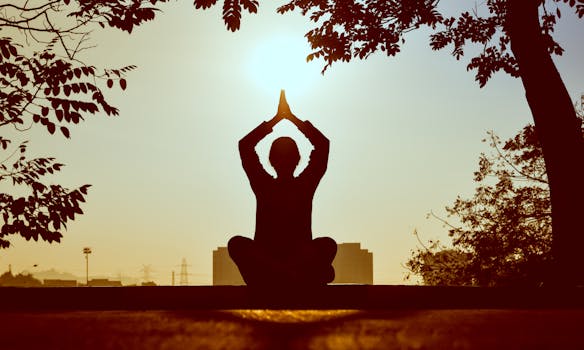
Exploring the best way to meditate can be a transformative journey toward enhancing mental clarity and emotional well-being. Meditation is a practice that has been used for centuries, and it offers numerous benefits such as stress reduction, increased focus, and improved overall health. Whether you are new to meditation or seeking to deepen your practice, understanding the different techniques can help you find the most suitable one for your needs.
Best Way to Meditate: Understanding Different Techniques
Meditation is not a one-size-fits-all practice; there are various approaches, each with its unique benefits and techniques. Here, we’ll explore some popular methods to help you decide which might be the best way to meditate for you.
Mindfulness Meditation
One of the most well-known forms, mindfulness meditation involves paying attention to your thoughts as they pass through your mind. Rather than engaging with these thoughts or judging them, you observe them, which can help increase awareness and concentration. This technique is often seen as an effective way to reduce stress and anxiety.
Guided Meditation
For beginners, guided meditation is an excellent entry point. This approach involves listening to a narrator or guide, often via audio or video, who helps you visualize calming and serene environments. This method can be particularly helpful if you’re unsure how to meditate independently.
Transcendental Meditation
Transcendental Meditation (TM) is a form of silent mantra meditation, developed by Maharishi Mahesh Yogi. In TM, practitioners repeat a specific mantra, a word or sound, to settle the mind into a state of profound rest. It’s a structured form that requires practice to master but is recognized for its deep relaxation benefits.
Yoga and Meditation
Yoga combines physical movement with breath control and meditation. It’s an excellent way to foster mind-body connection and improve flexibility and strength. Many find the meditation component within yoga practice to be deeply centering. For more on how yoga and meditation can reduce anxiety, visit our article on how to stop shaking from anxiety.
How Can You Meditate as a Beginner?
Starting your meditation journey doesn’t have to be complicated. Here are some beginner tips to help you get started:
- Set a Schedule: Try to meditate at the same time every day to build a habit.
- Create a Space: Find a quiet, comfortable spot where you won’t be disturbed.
- Start Small: Begin with 5-10 minute sessions and gradually increase as you feel comfortable.
- Be Patient: It’s normal for the mind to wander; gently bring your attention back to your focus point.
Finding Meditation Tips that Suit You
The best approach to determining the best way to meditate involves experimentation. As you try different meditation practices, note what feels most comfortable and effective for you. Listening to your body and mind is crucial in tailoring a meditation routine that aligns with your lifestyle and needs.
For more comprehensive insights into the practice and benefits of meditation, consider exploring resources from credible institutions like the Wikipedia page on meditation.
Conclusion: Discovering the Best Way to Meditate for You
The journey to find the best way to meditate is deeply personal and transformative. Whether through mindfulness, guided sessions, or practices like Transcendental Meditation and yoga, meditation can serve as a powerful tool for enhancing mental well-being and inner peace. As you explore, keep in mind that the consistency and authenticity of your practice are what truly matter.
- Meditation is a versatile practice with numerous techniques available.
- Mindfulness meditation and guided sessions are great for beginners.
- Experimenting with different styles helps you find what works best.
- Consistency is key to reaping meditation’s full benefits.
- Resources such as trusted external sites offer further insights.
FAQ
What is the best way to start meditating?
Begin with short sessions, create a comfortable setting, and gradually increase the length of your meditation as you become more accustomed to the practice.
How often should I meditate?
It’s beneficial to meditate daily, but even practicing a few times a week can make a noticeable difference in your mental and emotional well-being.
Do I need to sit in a specific position while meditating?
While sitting cross-legged is common, you can meditate in any comfortable position, whether it’s sitting in a chair or lying down.
What time of day is best for meditation?
Many people prefer meditating in the morning to set a calm tone for the day, but the best time is whenever fits your schedule and feels right for you.
Can meditation help with anxiety?
Yes, meditation can be an effective way to reduce symptoms of anxiety by promoting relaxation and increasing your ability to focus on the present moment.