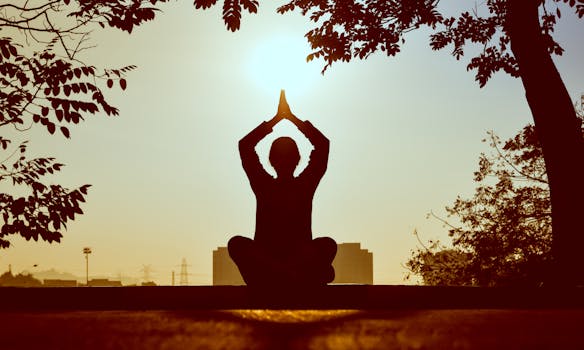
In today’s fast-paced world, finding ways to relax and rejuvenate is more important than ever. Calming meditation offers a pathway to peace and clarity. This form of meditation can help manage stress, enhance mental clarity, and promote overall well-being.
Calming Meditation Techniques
Learning how to practice calming meditation involves simple techniques that can be easily integrated into daily life. Here’s a step-by-step guide to get you started:
1. Choose a Quiet Environment
Find a tranquil space free from distractions to begin your meditation. This could be a quiet room, a cozy corner, or even a garden. The goal is to find a place where you feel at ease.
2. Set a Timer
Decide on the duration of your meditation session. Beginners might start with 5-10 minutes, gradually increasing over time as they become more comfortable with the practice.
3. Get Comfortable
Whether sitting on a chair, cushion, or floor, ensure that your posture is relaxed and your back is straight. This position helps with maintaining focus and avoiding discomfort during meditation.
4. Focus on Your Breath
Begin by taking a few deep breaths. Inhale slowly through your nose, hold the breath for a few moments, and then exhale gently through your mouth. This breathing technique can anchor your mind and promote a sense of peaceful meditation.
5. Observe Your Thoughts
As thoughts arise, acknowledge them without judgment and gently bring your focus back to your breath. This practice of mindfulness is central to calming meditation and helps in reducing stress and anxiety.
6. Use a Mantra
For additional focus, consider using a mantra — a simple phrase or word that you repeat silently to yourself. Phrases like “peace” or “calm” can enhance the meditative experience.
7. Gradually Return to Awareness
After your meditation session, take a few moments to sit quietly and bring your awareness back to the surroundings. Open your eyes gently and take a few deep breaths before resuming your daily activities.
Benefits of Calming Meditation
Calming meditation has numerous benefits that contribute to physical and mental health. Here are some of the key advantages:
- Reduction of stress and anxiety levels
- Improvement in emotional health and resilience
- Enhanced focus and concentration
- Supporting overall well-being
Incorporating calming meditation into your routine can significantly impact your lifestyle. For more techniques on managing anxiety, consider exploring strategies for stopping anxiety-induced shaking.
Starting Your Meditation Journey
Embarking on a meditation journey can be a transformative experience. It’s important to remember that every individual’s meditation practice is personal and unique. With consistency, the benefits of peaceful meditation can gradually unfold, bringing you closer to a harmonious state of mind and body.
For more detailed insights on meditation practices, you can visit the general health information on Wikipedia.
- Meditation provides a sense of calm and clarity.
- Simple, consistent efforts lead to long-term benefits.
- A comfortable environment enhances the meditation experience.
- Breathing techniques and mantras can deepen focus.
- Calming meditation is a personal journey of self-discovery.
What is the best environment for calming meditation?
The best environment for calming meditation is one that is quiet and free from distractions. This could be a dedicated meditation space at home or any peaceful area where you feel comfortable and relaxed.
How long should a beginner practice meditation?
Beginners should start with short sessions of 5-10 minutes, gradually increasing the duration as they develop more comfort and concentration with the practice.
Can meditation help with anxiety?
Meditation can be an effective tool for managing anxiety. It promotes relaxation, mindfulness, and emotional resilience, which can help alleviate feelings of anxiety.
How often should I meditate for optimal benefits?
For optimal benefits, aim to meditate daily. Consistency is key, and even short, daily sessions can lead to significant improvements in mental and emotional health.
Is it necessary to use a mantra during meditation?
Using a mantra is not necessary, but it can be helpful for some individuals to maintain focus and deepen their meditation experience. It’s a personal choice and can be adapted to your comfort and preference.
Calming meditation can be a powerful tool in promoting tranquility and emotional balance. By incorporating these tips into your daily routine, you can embark on a journey toward a more peaceful, centered, and fulfilling life.