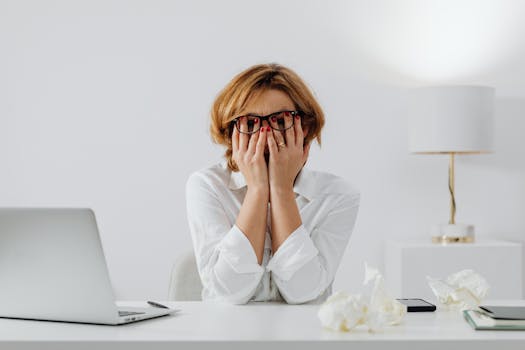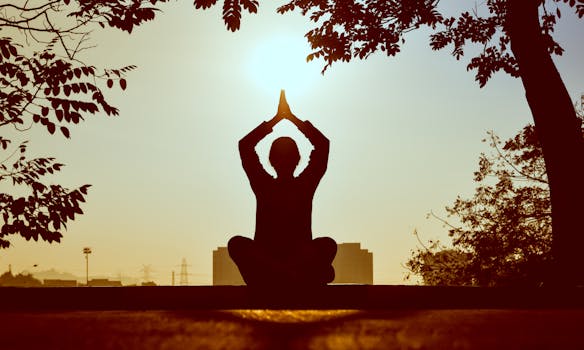
In today’s fast-paced world, finding ways to unwind and refocus is essential for maintaining mental and physical well-being. One popular method for achieving this sense of tranquility is through relaxing meditation. This ancient practice offers a refuge from the stresses of daily life and can be tailored to fit any lifestyle. By incorporating specific techniques, individuals can experience profound states of relaxation and enhanced mental clarity.
The Benefits of Relaxing Meditation
Relaxing meditation involves focusing the mind and entering a state of deep relaxation. This practice can help reduce stress, improve concentration, and increase self-awareness. Many individuals find that dedicating even a short amount of time each day to meditation results in significant improvements in their overall sense of calm and balance.
How to Get Started with Deep Meditation
Embarking on a journey towards deep meditation starts with understanding the basics. Here are some simple steps to help you get started:
- Find a Quiet Space: Choose a location where you won’t be disturbed. This could be a quiet room, a corner of your home, or even a serene outdoor setting.
- Settle into a Comfortable Position: You can sit cross-legged on the floor, on a chair, or even lie down. The key is to ensure that you are comfortable and your spine is in a neutral position.
- Focus on Your Breath: Begin by taking a few deep breaths. Inhale slowly through your nose, hold it for a moment, and then exhale through your mouth. This helps to center your mind and body.
- Allow Thoughts to Pass: As you meditate, thoughts will naturally arise. Acknowledge these thoughts, then gently guide your focus back to your breath.
- Increase Duration Gradually: Start with short sessions of 5-10 minutes and gradually increase the duration as you become more comfortable with the practice.
Techniques for Effective Relaxing Meditation
Several techniques can enhance your meditation experience. Experiment with these to find what resonates best with you:
Guided Meditation
Guided meditations can be helpful if you’re new to meditation or looking for structure. These sessions involve a narrator leading you through a series of relaxing images and prompts to help you reach a meditative state. You can find a variety of resources online or through meditation apps.
Mindfulness Meditation
Mindfulness meditation is about cultivating awareness of the present moment. By focusing on the sensations of each breath, you can anchor yourself in the now and reduce stress. This practice encourages observing thoughts without judgment, promoting emotional balance.
For those looking to manage anxiety, methods to stop shaking from anxiety can also complement mindfulness practices, offering a well-rounded approach to relaxation and mental health.
Progressive Muscle Relaxation
This technique involves slowly tensing and then relaxing muscle groups throughout the body. It’s an effective way to release physical tension and foster deep relaxation, making it a valuable addition to your meditation practice.
According to the Wikipedia article on health, integrating such relaxation methods can enhance one’s capacity to cope with stress and improve overall well-being.
Visualization Techniques
Visualization involves creating a mental image of a peaceful scene or setting. By immersing yourself in this mental picture, you can enhance your meditation experience and deepen your relaxation. These scenarios can be as simple as picturing a quiet beach or as elaborate as imagining a tranquil forest path.
Incorporating Meditation into Daily Life
Making meditation a part of your daily routine doesn’t require a lot of time. Here are some tips to help you integrate relaxing meditation into your day-to-day living:
- Set a Regular Time: Whether it’s in the morning or before bed, establish a routine that fits seamlessly into your schedule.
- Create a Dedicated Space: Having a specific area for meditation can cue your mind to enter a meditative state more readily.
- Use Technology Wisely: Apps and online resources can provide guided meditations and reminders to keep you on track.
- Be Patient: Building a meditation practice takes time. Give yourself grace as you develop this new habit.
With consistent practice, you’ll find that relaxing meditation becomes a valuable part of your toolkit for managing stress and promoting overall wellness.
Takeaways
- Relaxing meditation can reduce stress and improve mental clarity.
- Consider starting with guided or mindfulness meditation techniques.
- Progressive muscle relaxation can enhance physical relaxation.
- Visualization techniques offer an immersive meditation experience.
- Consistency is key to integrating meditation into daily life.
FAQs
What is relaxing meditation?
Relaxing meditation is a practice aimed at reducing stress and promoting mental clarity through focused attention and deep relaxation techniques.
How long should I meditate each day?
Start with sessions of 5-10 minutes and gradually increase the duration as you become more comfortable. Ideally, aim for at least 20 minutes a day.
Can meditation help with anxiety?
Yes, meditation can be an effective tool for managing anxiety by promoting relaxation and improving emotional balance.
Do I need a special place to meditate?
No, you don’t need a special place, but having a consistent, quiet space without distractions can enhance your practice.
Are there any resources for learning meditation?
Yes, there are many resources available, including online courses, apps, and guided meditations available through various platforms and libraries.