Hair restoration has evolved significantly over the years, with hair plugs once being a popular method to combat baldness. However, you might be asking yourself, are hair plugs bad for your health? Let’s dive into this topic to better understand the benefits, potential drawbacks, and whether this procedure aligns with your hair restoration goals.
Understanding Hair Plugs: Are Hair Plugs Bad?
Hair plugs were a pioneering method of hair transplantation, first developed in the 1950s. During the procedure, surgeons remove small round sections of hair-bearing skin from the back or sides of the scalp and transplant them to balding areas. While this technique can be effective, it has been largely replaced by more advanced methods like follicular unit transplantation (FUT) and follicular unit extraction (FUE), which offer more natural-looking results.
The question often arises: are hair plugs bad for your health? While hair plugs themselves are generally safe, they are not without potential downsides. Issues such as unnatural appearance, scarring, and infection can occur if the procedure is not performed skillfully. For more information on how hair plugs compare to modern alternatives, check out our detailed guide on how natural hair plugs look and what they’re for.
Health Risks and Considerations
The primary concerns with older hair plug procedures are aesthetic. Many people found that the results looked pluggy or unnatural. However, beyond looks, there are health considerations to keep in mind:
- Scarring: The punching method used can lead to noticeable scars if not performed correctly.
- Infection: As with any surgical procedure, there is a risk of infection. Proper post-operative care is crucial to minimize this risk.
- Shock Hair Loss: Known as telogen effluvium, this temporary hair loss happens when the hair follicles go into a resting phase post-surgery.
Comparing Hair Plugs with Modern Techniques
Modern hair restoration methods like FUT and FUE have largely replaced traditional hair plugs, offering more natural results and fewer side effects. Here’s how they compare:
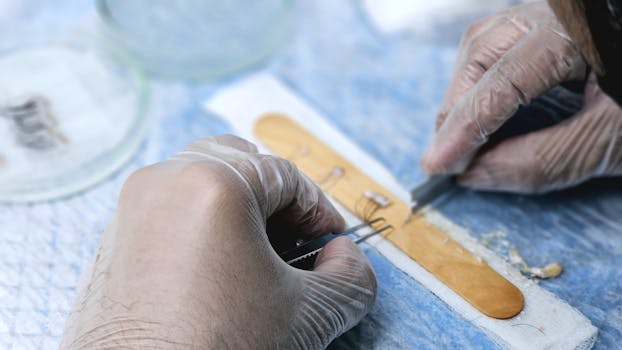
- Follicular Unit Transplantation (FUT): This method involves removing a strip of scalp skin to harvest hair follicles. It allows for a higher volume of transplantable hair but may leave a linear scar.
- Follicular Unit Extraction (FUE): FUE extracts individual hair follicles, reducing visible scarring and allowing for quicker healing.
Both FUT and FUE are considered superior to hair plugs in terms of aesthetics and post-operative recovery. They are conducted using more precise instruments and techniques, resulting in a more natural hairline and overall appearance.
The Role of Expectations and Consultation
Before opting for any hair restoration procedure, it’s important to manage expectations and understand potential outcomes. Consultation with a qualified and experienced surgeon is essential to determine the best approach tailored to your needs. They can provide insights into the effectiveness of various procedures and help you decide whether more modern techniques are preferable over traditional hair plugs.
For further educational resources, you may explore the comprehensive materials available on the evolution and impact of hair transplantation via this Wikipedia article on hair transplantation.
Conclusion: Are Hair Plugs Bad?
While hair plugs were a breakthrough in hair restoration during their peak, today they are often overshadowed by more advanced, natural-looking techniques. Are hair plugs bad for your health? Not inherently, but the risk of unflattering results or other minor complications might lead you to consider more modern approaches. Evaluating your personal goals, consulting with specialists, and understanding the risks and benefits will guide you toward the best decision for your hair restoration journey.
- Hair plugs were once a popular solution but have been replaced by modern techniques.
- Potential risks include scarring, infection, and unnatural appearance.
- Modern methods like FUT and FUE offer more natural results.
- A thorough consultation with a skilled surgeon is vital for best outcomes.
- Consider aesthetic and health factors when choosing a hair restoration procedure.
FAQ
What are hair plugs?
Hair plugs involve transplanting small, round sections of hair-bearing skin to balding areas of the scalp. They were the foundation of early hair restoration techniques.
How do modern hair restoration techniques differ?
Modern techniques like FUT and FUE offer more natural results, with less visible scarring and faster recovery times compared to traditional hair plugs.
Are hair plugs visible after surgery?
If not executed skillfully, hair plugs can result in a noticeable and unnatural appearance, which is why newer methods are preferred.
What are the typical side effects of hair plugs?
Potential side effects include scarring, infection, and a temporary condition known as shock hair loss.
Should I consult a doctor before getting hair plugs?
Yes, consulting with a qualified surgeon is crucial to determine the best hair restoration method for you and to discuss potential risks and outcomes.