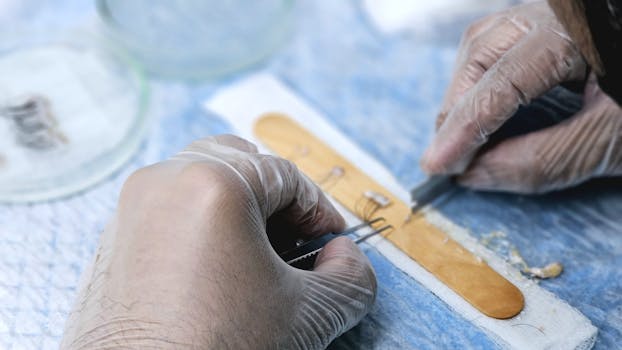
Thinking about an artificial hair transplant can bring a mix of excitement and apprehension. For many, the desire to regain a fuller head of hair leads them to explore this innovative treatment. But what exactly does an artificial hair transplant entail, and how does it compare to traditional methods? In this article, we will explore the pros, cons, and potential results of undergoing such a procedure.
Understanding Artificial Hair Transplants
An artificial hair transplant, often referred to as artificial hair surgery or synthetic hair implant surgery, involves the use of synthetic fibers to replace or cover thinning or balding areas of the scalp. Unlike traditional hair transplant methods that use the patient’s own hair follicles, this procedure utilizes manufactured fibers designed to look and feel like natural hair.
The procedure itself involves the implantation of synthetic fibers into the scalp using specialized techniques. This method is often appealing to individuals who do not have sufficient donor hair for a traditional transplant. It’s crucial to approach this option with a thorough understanding of the potential benefits and limitations involved.
Pros of Artificial Hair Transplant
One of the key benefits of artificial hair implants is the immediate transformation. Patients often experience a visible improvement in their hair volume right after the procedure. This immediate aesthetic boost can be a significant advantage for those seeking quick results.
Additionally, artificial hair plantation is less reliant on the availability of donor hair. This makes it accessible for those who have suffered from extensive hair loss or thinning and have limited donor hair available.
Cons of Artificial Hair Transplant
Despite the benefits, synthetic hair implants come with certain drawbacks. One of the prominent concerns is the potential for an immune response. Since the fibers are foreign to the body, there is a risk of inflammation or rejection, which can lead to complications.
Maintenance is another consideration. Unlike natural hair, synthetic fibers do not grow, meaning you will require periodic follow-up procedures to maintain the desired volume and appearance. This can lead to additional costs and time commitment.
Procedure and Recovery
The process for hair transplant artificial hair is generally fast, with minimal downtime compared to traditional transplants. However, patients must follow post-procedure care directives closely to minimize risks and ensure the best possible outcome. This often includes avoiding direct sun exposure and using specialized hair care products to maintain the implants.
Cost Implications
The synthetic hair transplant cost can vary widely based on factors such as the number of fibers implanted and the clinic’s location. It’s important to consider ongoing maintenance expenses as part of the decision-making process. Be prepared to invest not only in the initial surgery but also in subsequent touch-ups as needed.
Results: What to Expect
The outcomes of synthetic hair implants can be satisfactory if the procedure is performed by a skilled practitioner. Results can last for a significant period, although maintenance is crucial for preserving the appearance of the implants over time. The appearance of synthetic fibers is generally natural, though achieving optimal results depends on the expertise of the practitioner.
If you’re considering additional cosmetic procedures, you may find our guide on fat transfer breast augmentation helpful for insights on what to expect in terms of cost and process.
Summary
As with any cosmetic procedure, it is essential to weigh the pros and cons and to consult with a qualified professional to explore if an artificial hair transplant is right for you. A thorough understanding of the procedure and its outcomes will empower you to make an informed decision that aligns with your personal goals. For general health information, consider visiting Wikipedia’s Health page.
Ultimately, an artificial hair transplant may offer a viable solution for individuals seeking a fuller head of hair when traditional options are not feasible. By understanding the intricacies of artificial hair surgery, you are better positioned to make a choice that suits your particular circumstances and expectations.
- Artificial hair transplants use synthetic fibers to cover bald areas.
- Immediate results and no requirement for donor hair are key benefits.
- Pitfalls include potential immune reactions and the need for maintenance.
- Costs vary, including initial and ongoing expenses.
- Finding an experienced practitioner is crucial for optimal results.
Frequently Asked Questions
Are artificial hair transplants safe?
Artificial hair transplants are generally safe when performed by experienced professionals, but they do carry risks of inflammation or rejection due to the foreign material used.
How long do the results of an artificial hair transplant last?
The results can last for years; however, maintenance procedures are necessary to retain desired volume and appearance as synthetic fibers do not grow or regenerate.
Can anyone get an artificial hair transplant?
Most people experiencing hair thinning or loss can explore this option. However, it’s essential to consult with a doctor to address any personal health concerns or conditions that might affect the procedure.
Does an artificial hair transplant look natural?
Yes, when performed correctly, the synthetic fibers are designed to mimic natural hair in appearance and texture. The skill of the practitioner plays a significant role in achieving a natural look.
What is the recovery time after an artificial hair transplant?
The recovery period is relatively quick, often with minimal downtime. Patients need to follow post-operative care instructions to minimize complications and enhance the healing process.