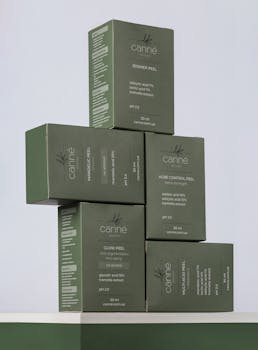
When considering an at home chemical peel kit, it’s essential to understand the process and what to expect. These kits can offer a cost-effective way to rejuvenate your skin, addressing issues such as uneven texture, mild scarring, or hyperpigmentation. However, proper application and post-care are crucial to achieving the desired results safely.
Understanding At Home Chemical Peel Kits
Chemical peels involve the application of acid solutions to exfoliate the skin, promoting the shedding of dead cells and promoting new cell growth. The best at-home peel kits emulate professional treatments but are designed for consumer safety, typically containing milder acid concentrations.
Common Types of Acids Used
At home face peels often use glycolic, lactic, salicylic, or trichloroacetic acids. Each type serves different skin needs:
- Glycolic acid: Ideal for exfoliating and improving the skin’s texture.
- Lactic acid: Gentle and hydrating, suitable for sensitive skin.
- Salicylic acid: Best for oily and acne-prone skin.
- Trichloroacetic acid (TCA): Used for deeper peels targeting significant hyperpigmentation or scarring.
Choosing the Right Kit for Your Skin
When selecting an at home chemical peel for face, consider your skin type and specific concerns. For beginners, starting with a lower concentration acid peel at home is advisable to avoid adverse reactions. Always patch-test a small skin area 24 hours before a full application.
Steps to Perform a Chemical Peel at Home
Performing a chemical peel at home requires careful preparation and adherence to instructions:
- Preparation: Cleanse your face thoroughly to remove oils and dirt.
- Application: Follow the instructions carefully, applying the chemical peel mask evenly.
- Neutralizing: Some peels require a neutralizing agent to stop the acid’s activity.
- Post-care: Moisturize and protect your skin with sunscreen to assist in healing and prevent damage.
Benefits of Using an At Home Chemical Peel Kit
Regular use of skin chemical peel at home can lead to several benefits:
- Brightened and evened skin tone.
- Reduced appearance of fine lines and wrinkles.
- Diminished acne scars and hyperpigmentation.
- Smoother and softer skin texture.
Possible Side Effects and Precautions
Despite their benefits, chemical peels can cause side effects such as redness, irritation, or increased sensitivity. It is crucial to avoid using other exfoliating or harsh products post-peel and avoid direct sun exposure.
When to Consult a Professional
While many individuals enjoy the convenience of at home peels, consult a dermatologist if you have severe skin conditions or if unsure about skin tolerance to chemical peels. Professional guidance ensures safety and effectiveness.
For more information about the benefits and risks of chemical peels, see the Wikipedia Chemical Peels page.
At Home Chemical Peel Kit: Final Thoughts
Utilizing an at home chemical peel kit may help improve your skin’s appearance when used correctly. They offer convenience and affordability while allowing for personalized skincare regimens.
Takeaways
- Understand the types and concentrations of acids in chemical peels.
- Always perform a patch test before full application.
- Follow instructions carefully and practice proper post-care.
- Consult a dermatologist if you have concerns about your skin’s reaction.
- Protect your skin from sun exposure following a peel.
Frequently Asked Questions
What is the best acid for a beginner at-home chemical peel?
Lactic acid or glycolic acid in low concentrations is recommended for beginners due to their gentle nature.
How often can I use a chemical peel at home?
The frequency depends on the product and your skin type. Generally, mild peels can be used weekly, while stronger formulas should be used less frequently.
Can I wear makeup after a chemical peel?
It’s best to avoid makeup immediately after a peel to allow your skin to breathe and heal.
Is it normal to experience peeling after a chemical peel?
Yes, light peeling is a typical response and part of the skin’s natural renewal process after a peel.
What should I do if my skin reacts badly to a peel?
If you experience severe irritation, discontinue use immediately and consult a dermatologist for advice.