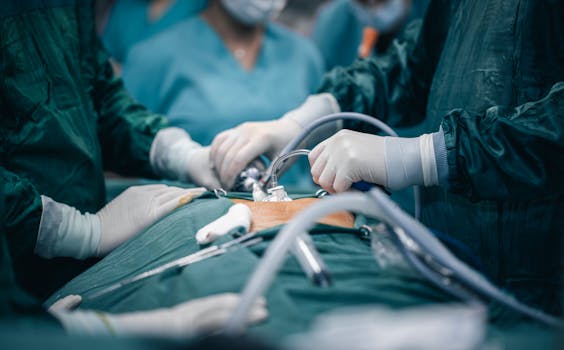
Awake lipedema liposuction is a transformative procedure gaining attention for its ability to address the painful and often misunderstood condition of lipedema. This condition predominantly affects women and is characterized by an abnormal accumulation of fat in the legs, thighs, and occasionally the arms, leading to significant physical and emotional discomfort. Awake lipedema liposuction offers an innovative approach, allowing patients to undergo this life-changing procedure while awake, facilitating faster recovery and enhanced safety.
Understanding Awake Lipedema Liposuction
Lipedema is a progressive condition requiring medical intervention for effective management. The awake technique involves performing liposuction while the patient is conscious but under local anesthesia. This approach minimizes the risks associated with general anesthesia and provides patients with a more comfortable and responsive experience. The primary goal is to reduce the abnormal fat deposits and improve mobility and quality of life.
How the Procedure Works
During awake lipedema liposuction, tumescent fluid is injected into the targeted areas to numb the region and reduce bleeding. This creates a safer environment for liposuction by making the fatty tissue easier to remove. The surgeon uses microcannulas, which are small, thin tubes, to extract the excess fat cells carefully. Patients remain awake and can communicate with the surgical team, which enhances safety and allows for precise contouring tailored to the patient’s unique needs.
Benefits of the Awake Approach
- Reduced risks associated with anesthesia.
- Shorter recovery time and less postoperative pain.
- Improved patient communication during the procedure.
- Potential to treat large areas more effectively.
Risks and Considerations
While awake lipedema liposuction offers many benefits, potential risks include swelling, bruising, and infection, similar to other surgical procedures. It is crucial for patients to consult with a qualified surgeon experienced in lipedema treatment to discuss any concerns. Understanding the realistic outcomes and individualized care plan can help manage expectations and enhance the overall experience.
Comparing Awake Lipedema Liposuction with Traditional Liposuction
Traditional liposuction typically involves general anesthesia, which can prolong recovery and increase risks for some patients. In contrast, the awake technique specifically targets lipedema fat, offering a more strategic approach to reshaping the body.
For those considering body contouring procedures, exploring the costs and benefits of similar methods can be beneficial. For example, learning about awake tummy tuck costs might provide additional insights into the advantages of awake surgeries.
Who is a Candidate for Awake Lipedema Liposuction?
Candidates for awake lipedema liposuction typically include individuals diagnosed with lipedema seeking relief from physical and psychological symptoms. Candidates should be in good overall health, understand the procedure’s limitations, and have realistic expectations for their results.
Recovery Expectations
Recovery from awake lipedema liposuction is generally quicker compared to traditional methods. Patients often return to daily activities within a few days, although full recovery and final results might take several weeks. Wearing compression garments and following postoperative instructions from the healthcare provider are essential to ensure optimal healing and outcomes.
Long-Term Impact of Awake Lipedema Liposuction
The long-term benefits of this procedure include not only physical transformation but also improved mental health and quality of life. Many patients report a reduction in pain and an increase in mobility post-surgery. However, maintaining results requires ongoing self-care, including a healthy diet and regular exercise.
For more comprehensive information on lipedema and associated treatments, the Lipedema page on Wikipedia provides valuable insights and resources.
Final Thoughts on Awake Lipedema Liposuction
Awake lipedema liposuction presents a promising option for those suffering from lipedema, aiming to alleviate symptoms and enhance life quality. By reducing the unique fat deposits associated with lipedema while patients remain aware and interactive, this procedure offers a customized, safe solution for many. However, a thorough consultation with a qualified healthcare professional is essential to determine if this innovative approach is suitable for you.
- Awake lipedema liposuction offers a targeted approach to lipedema treatment.
- This procedure reduces anesthesia risks and shortens recovery time.
- Consult a qualified surgeon to evaluate your suitability for the procedure.
- Ongoing self-care is important for maintaining results.
- Explore similar procedures for comprehensive health planning.
What is lipedema?
Lipedema is a chronic medical condition involving the abnormal buildup of fat tissues, mainly in the lower body, leading to pain and swelling. It primarily affects women and can significantly impact mobility and quality of life.
How does awake lipedema liposuction differ from traditional liposuction?
Awake lipedema liposuction is performed under local anesthesia, allowing patients to remain conscious and communicate with their surgeon, which can enhance safety and reduce recovery time compared to traditional liposuction, which often requires general anesthesia.
What are the potential risks associated with awake lipedema liposuction?
Potential risks include swelling, bruising, infection, and contour irregularities. It is important to discuss these risks with a qualified medical professional to understand how to minimize them effectively.
How do I prepare for the procedure?
Preparation generally involves consultations with your surgeon to establish a treatment plan, adhering to any preoperative instructions, and ensuring you have arranged for appropriate postoperative support and care.
Is awake lipedema liposuction a cure for lipedema?
While the procedure is not a cure, it significantly helps manage symptoms by removing abnormal fat deposits. Long-term management of lipedema may also involve lifestyle modifications and ongoing support from healthcare professionals.