Collagen is an essential protein that plays a vital role in maintaining your skin’s elasticity and youthful appearance. If you’re wondering how to increase collagen in skin, you are not alone. As we age, our body’s natural collagen production decreases, leading to signs of aging such as wrinkles and sagging skin. Fortunately, there are several effective strategies to boost collagen production for healthier, more radiant skin.
How to Increase Collagen in Skin
To enhance collagen production, adopting a combination of dietary changes, skincare routines, and lifestyle adjustments can be beneficial. Here are some key approaches to consider:
Optimizing Your Diet for Collagen Boost
Consuming a diet rich in certain nutrients can significantly influence collagen levels. Vitamin C, found in citrus fruits and leafy greens, is crucial because it acts as a co-factor for collagen synthesis. Additionally, foods high in amino acids, such as chicken, fish, and eggs, provide the building blocks for collagen production.
Antioxidants present in berries and nuts also play a role in protecting collagen fibers from damage caused by free radicals. If you’re interested in learning how to enhance collagen production through supplements, you might want to explore our article on collagen supplements.
Incorporate Collagen Supplements
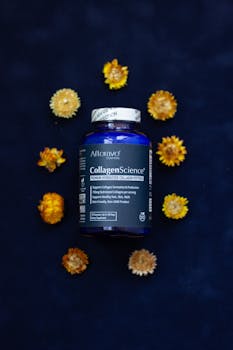
Collagen supplements have gained popularity as a way to increase collagen production for the skin. These supplements typically come in the form of powders, capsules, or drinks and are believed to help improve skin elasticity and hydration. While research is ongoing, early studies suggest they may support skin health when used consistently.
Skincare Products That Help Boost Collagen
Topical skincare products containing ingredients like retinoids, peptides, and hyaluronic acid can support your skin’s collagen levels. Retinoids stimulate collagen production, while peptides send signals to your skin to prompt the creation of new collagen. Hyaluronic acid helps retain moisture, keeping the skin plump and hydrated.
Protect Your Skin from Sun Damage
UV radiation from the sun is a significant factor in the breakdown of collagen, so protecting your skin is essential. Use broad-spectrum sunscreen with an SPF of at least 30 to shield your skin from harmful rays. Wearing protective clothing and seeking shade whenever possible can further support collagen production and preserve skin health.
Healthy Lifestyle Choices
Maintaining a healthy lifestyle contributes to better skin health and collagen production. Regular exercise improves circulation and nutrient delivery to the skin. Additionally, adequate sleep promotes repair and regeneration processes, helping to sustain collagen levels.
Avoiding smoking and excessive alcohol consumption is also crucial as these habits can diminish collagen production and quality.
Consider Professional Treatments
If you’re looking for more advanced ways to boost skin collagen, consider professional treatments like laser therapy, micro-needling, or chemical peels. These procedures can stimulate collagen production by creating micro-injuries that trigger the body’s natural healing process, resulting in firmer, more youthful-looking skin.
Before embarking on any treatment, it’s essential to consult a dermatologist to understand the potential benefits and risks associated with each option.
Overall, there are various effective methods to learn how to increase collagen in skin and support overall skin health. By integrating dietary adjustments, skincare, lifestyle changes, and professional treatments, you can enhance collagen production and achieve radiant skin. Remember to consult with a healthcare professional for personalized advice tailored to your specific skin needs.
Takeaways
- A balanced diet rich in vitamin C and amino acids can enhance collagen production.
- Skincare products containing retinoids, peptides, and hyaluronic acid support collagen levels.
- Protecting your skin from UV radiation prevents collagen breakdown.
- Lifestyle factors, including regular exercise and smoking cessation, play a role in maintaining collagen.
- Professional treatments like micro-needling can further stimulate collagen production.
Frequently Asked Questions
What is collagen, and why is it important for skin health?
Collagen is a protein that provides structure and elasticity to the skin. It helps maintain a firm and youthful appearance by supporting skin tissue strength.
Can supplements help increase collagen production?
While more research is needed, some studies suggest that collagen supplements may support skin health by improving elasticity and hydration.
Are there any natural ways to support collagen production?
Yes, consuming foods high in vitamin C and amino acids, protecting skin from sun damage, and adopting healthy lifestyle habits can naturally support collagen production.
What are the signs of reduced collagen in the skin?
Common signs of reduced collagen include wrinkles, sagging skin, and a loss of skin firmness and elasticity.
Can professional treatments really boost collagen production?
Professional treatments like laser therapy and micro-needling can stimulate collagen production by prompting the body’s natural healing mechanisms.