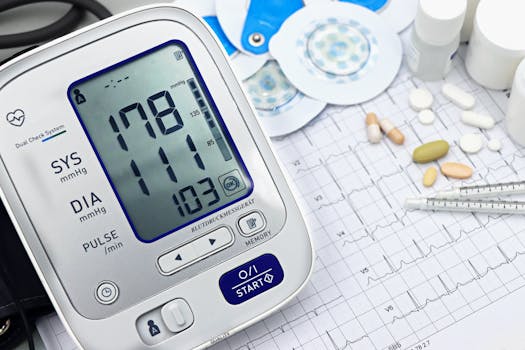
Many people who are prescribed Ativan wonder about its effects on blood pressure. Specifically, they ask, “Does Ativan lower blood pressure?” Ativan, also known by its generic name lorazepam, is primarily prescribed for anxiety and insomnia. However, understanding its effect on blood pressure can help users manage their overall health better, especially if they have a history of hypertension.
Does Ativan Lower Blood Pressure?
Ativan is classified as a benzodiazepine, a type of medication that has a calming effect on the brain and nerves. While Ativan is not specifically prescribed to lower blood pressure, its impact on reducing anxiety might indirectly cause a drop in blood pressure for some individuals. The body’s natural response to stress includes elevated blood pressure, so reducing stress with Ativan might help decrease blood pressure temporarily.
Notably, Ativan is not a substitute for blood pressure medication. It is essential for individuals with hypertension to follow their healthcare provider’s advice and not rely solely on Ativan for managing blood pressure.
How Ativan Works
Ativan works by enhancing the effects of a neurotransmitter called gamma-aminobutyric acid (GABA) in the brain, which results in a tranquilizing and anxiolytic (anxiety-reducing) action. This mechanism can lead to a sense of calm and relaxation that may help lower heart rate and blood pressure in anxiety-related scenarios.
While some patients have reported feeling calmer and experiencing a decrease in blood pressure, this is not a guaranteed or consistent outcome for everyone. It is crucial to monitor one’s response to Ativan and discuss any unexpected changes with a healthcare professional.
Potential Side Effects of Ativan
Like any medication, Ativan may cause side effects. Common side effects include drowsiness, dizziness, and fatigue. These could indirectly affect your blood pressure, mainly if they contribute to reduced physical activity. Additionally, long-term use or high doses of Ativan can lead to dependency, which requires careful management and should be discussed with a doctor.
Patients should be mindful of any severe side effects such as confusion, depression, or breathing difficulties and seek immediate medical attention if these occur.
Alternative Methods to Manage Blood Pressure
For those concerned about blood pressure, lifestyle changes and alternative methods can effectively manage hypertension. Practices such as regular exercise, a balanced diet, and stress management techniques are beneficial. For example, many people find success with controlled breathing exercises as part of their routine. You can explore step-by-step techniques for breathing exercises that may help manage blood pressure effectively.
Consulting with a Healthcare Professional
If you are considering using Ativan and are concerned about its impact on your blood pressure, it is critical to consult with a healthcare professional. They can provide personalized advice and may suggest monitoring your blood pressure more frequently while using Ativan. Remember that each individual’s reaction to medication can vary, and a healthcare provider’s guidance is crucial for safe and effective treatment.
In Conclusion
In summary, does Ativan lower blood pressure? While Ativan is not explicitly indicated for lowering blood pressure, its anxiolytic effects might provide some indirect benefits for those experiencing stress-related blood pressure spikes. It is vital for individuals to approach the management of blood pressure comprehensively, including lifestyle changes, medication, and consultation with healthcare professionals. For more detailed information about blood pressure management and medications, a reliable source like the Wikipedia Health page may provide further insights.
- Ativan is primarily prescribed for anxiety and not for lowering blood pressure.
- Its calming effects might lead to a temporary reduction in blood pressure for some individuals.
- Always consult with a healthcare professional regarding your medication and blood pressure management.
- Consider lifestyle changes and alternative methods to support blood pressure health.
- Seek information from reliable sources for a comprehensive understanding of health management.
What is Ativan used for?
Ativan is commonly used to treat anxiety disorders, insomnia, and seizures. It may also be administered as a premedication for sedation prior to medical procedures.
Can Ativan cause high blood pressure?
While Ativan is not known to cause high blood pressure, anxiety or withdrawal from the medication might increase blood pressure temporarily.
Is it safe to take Ativan with blood pressure medication?
It is important to consult a healthcare provider when considering combining Ativan with blood pressure medications to ensure safety and effectiveness. Each individual’s health situation is different, and professional advice is essential.
How should side effects of Ativan be managed?
Any side effects experienced from Ativan should be discussed with a doctor, who can help manage or mitigate these symptoms and adjust dosages as necessary.
Are breathing exercises effective for managing anxiety-related blood pressure spikes?
Breathing exercises can be an effective way to manage stress and anxiety, potentially helping to stabilize blood pressure. Consistent practice may provide long-term benefits in conjunction with medical advice.