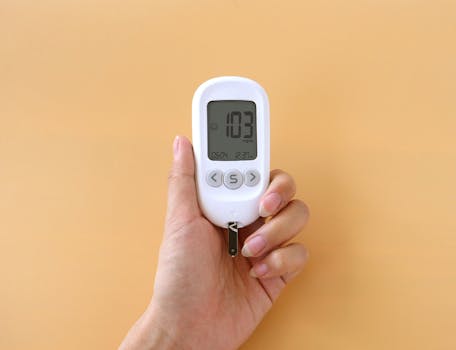
Anxiety is a complex condition that can be triggered by various factors. One such factor is fluctuating blood sugar levels. This raises a pertinent question: can low blood sugar cause anxiety? Understanding the connection between hypoglycemia and anxiety is crucial, especially for those managing diabetes or prone to blood sugar fluctuations.
Can Low Blood Sugar Cause Anxiety?
Low blood sugar, or hypoglycemia, can indeed result in a range of symptoms, including anxiety. When blood glucose levels drop, your body responds with a release of stress hormones like adrenaline. This process is designed to increase blood sugar but can also induce feelings of nervousness and panic, closely mimicking symptoms associated with anxiety disorders.
The Role of Glucose in the Body
Glucose is a vital energy source for the brain and body. When blood sugar levels are low, your brain may not function optimally, leading to symptoms like confusion and irritability. These symptoms can exacerbate feelings of anxiety, making it challenging to discern the root cause of your distress.
Hypoglycemia Nervousness
Hypoglycemia nervousness is a common response to low blood sugar. As your body navigates the lack of glucose, it may trigger a fight-or-flight reaction, characterized by nervousness and rapid heart rate. This physiological response is the body’s way of signaling a need to restore sugar levels, leading to increased anxiety-like symptoms.
Managing Symptoms of Low Blood Sugar and Anxiety
Addressing both low blood sugar and its resultant anxiety involves monitoring your diet and health. Consuming balanced meals rich in complex carbohydrates, proteins, and healthy fats can help maintain steady blood sugar levels. Additionally, individuals managing diabetes may benefit from learning more about these approaches by visiting our guide on type 1 and type 2 diabetes treatments.
Practical Steps to Mitigate Symptoms
- Regular Eating: Timing meals and snacks can help prevent drops in blood sugar.
- Monitor Blood Sugar Levels: Regularly checking your glucose levels can provide insight into how your diet and lifestyle affect your bodily function.
- Stay Hydrated: Dehydration can exacerbate both low blood sugar and anxiety.
- Manage Stress: Engaging in stress-reducing activities like mindfulness or yoga can help control anxiety symptoms.
Anxiety and Blood Sugar: Are They Interconnected?
While experiencing low blood sugar can result in feelings of anxiety, chronic anxiety does not necessarily affect blood sugar levels. However, the stress from chronic anxiety may influence eating patterns and glucose metabolism over time, underscoring the importance of holistic health management.
When to Seek Professional Help
If you find that low blood sugar frequently triggers anxiety symptoms, consulting with a healthcare professional is crucial. They can provide tailored advice and treatment options to help manage both conditions effectively. For more scientific insights on this topic, explore research from reputable sources such as this detailed article on health.
Understanding the connection between blood sugar levels and anxiety is vital for managing both physiological and psychological well-being. Can low blood sugar cause anxiety? Yes, it can, and taking proactive steps to manage your health can significantly reduce the frequency and severity of related symptoms.
- Low blood sugar can trigger anxiety-like symptoms due to physiological responses.
- A balanced diet can help maintain steady blood sugar levels, reducing anxiety.
- Monitoring glucose levels and stress management are essential strategies.
- Consult a healthcare provider if low blood sugar frequently leads to anxiety.
FAQs
What are the symptoms of low blood sugar?
Common symptoms of low blood sugar include shakiness, sweating, irritability, confusion, and rapid heartbeat. These symptoms may also overlap with anxiety signs.
How does low blood sugar affect mental health?
Low blood sugar can lead to anxiety, confusion, and irritability, affecting overall mental health. Maintaining consistent blood sugar levels can help stabilize mood and cognitive function.
Can anxiety cause blood sugar to drop?
While anxiety does not directly cause blood sugar to drop, the stress hormones released during anxiety may indirectly influence insulin and glucose levels over time.
Should I see a doctor if I experience anxiety with low blood sugar?
Yes, consulting with a healthcare provider is advisable to receive personalized advice and management strategies for co-occurring low blood sugar and anxiety.
What lifestyle changes can help manage both blood sugar and anxiety?
Regular exercise, balanced nutrition, adequate hydration, and stress management techniques like mindfulness and yoga can support better management of both conditions.