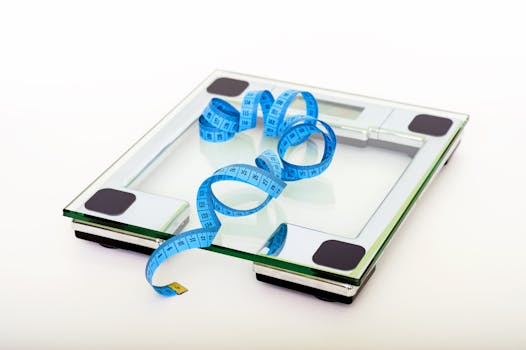
Many individuals using minoxidil for hair growth often have concerns about potential side effects, including the question: does minoxidil cause weight gain? While minoxidil is primarily known for its effectiveness in promoting hair growth in people experiencing hair loss, the idea of unintended weight gain can be troubling for users. Let’s explore what the research and experts say about this potential connection.
Does Minoxidil Cause Weight Gain?
The primary use of minoxidil is as a topical treatment for androgenetic alopecia, commonly known as male or female pattern baldness. While its benefits for hair growth are well-documented, there are various discussions around its side effects. One of these concerns includes whether it has any influence on body weight.
Minoxidil, particularly when used topically, is generally safe for most users. However, like any medication, side effects can occur. Some reported side effects of topical minoxidil include scalp irritation and unwanted facial hair growth. Weight changes are not commonly listed as a side effect of topical minoxidil. Most side effects are relatively mild and occur locally where the treatment is applied.
Understanding Minoxidil’s Mechanism
Minoxidil works by stimulating hair follicles and is often sold under brand names such as Rogaine. It functions as a vasodilator, improving blood flow to the hair follicles and thereby encouraging hair growth. Its initial use as an oral medication for blood pressure management was where questions regarding weight gain first surfaced, as this formulation can cause sodium and water retention.
However, it’s important to differentiate between topical and oral minoxidil. When discussing weight gain, it is more applicable to the oral form used for treating hypertension, not the topical form used for hair regrowth. The doses and mechanisms involved in topical application differ significantly from those in oral administration.
Exploring Side Effects
Clinical trials and anecdotal reports do not extensively link topical minoxidil with weight gain. While weight gain can occur with the oral form due to fluid retention, the topical application does not show the same systemic absorption, making this less of a concern for users focused on hair regrowth.
Users should remember that everyone’s body responds differently to treatment. If you experience unusual side effects like unexpected weight gain while using minoxidil, it’s advisable to consult with a healthcare professional.
Considerations and Recommendations
If you are concerned about potential weight changes when using minoxidil, here are some steps to consider:
- Monitor your body’s response to the treatment regularly.
- Consult with your healthcare provider if you notice any unusual symptoms.
- Maintain a healthy lifestyle with balanced nutrition and regular exercise to manage weight effectively.
- Consider other factors that might contribute to weight changes, such as lifestyle choices or other medications.
For those looking into other reasons for weight gain or seeking advice on managing weight fluctuations, understanding weight management strategies can provide further insights.
Final Thoughts
The question remains, does minoxidil cause weight gain? While topical minoxidil is widely considered safe, comprehensive clinical evaluations generally indicate no direct connection to weight gain. Always approach your health concerns with personalized attention through professional consultation.
- Topical minoxidil is mainly used for promoting hair growth.
- No direct correlation to weight gain has been established for topical forms.
- Oral minoxidil does have side effects relating to fluid retention.
- Consult a healthcare provider if you experience unusual symptoms.
- A healthy lifestyle supports weight management while using treatments.
What should I do if I experience weight gain with minoxidil?
If you notice weight gain while using minoxidil, consult your healthcare provider to rule out any other underlying causes or potential interactions.
Is fluid retention a concern with topical minoxidil?
Fluid retention is more commonly a concern with oral minoxidil due to its blood pressure-lowering effects, not with the topical solution used for hair growth.
Can lifestyle factors contribute to perceived weight gain on minoxidil?
Yes, factors such as diet, exercise, and other medications can influence weight changes, and it’s vital to consider these when assessing weight gain.
Are there any studies linking topical minoxidil with weight gain?
As of now, there are no significant studies that establish a direct link between topical minoxidil and weight gain.
Where can I learn more about the side effects of minoxidil?
For more in-depth information, consider checking reliable sources such as the Minoxidil Wikipedia page for comprehensive insights.