When considering various financial aspects, a common question that arises for many individuals is whether is cosmetic surgery tax deductible. This inquiry is particularly relevant for those who have undergone or are contemplating such procedures and are wondering if their costs can be offset during tax season. Understanding the nuances of tax deductions related to cosmetic surgery can have significant implications on personal finances.
Understanding: Is Cosmetic Surgery Tax Deductible?
Generally speaking, expenses for cosmetic surgery are not deductible on your taxes. According to the Internal Revenue Service (IRS), cosmetic procedures primarily for personal appearance enhancement are not considered necessary medical expenses. Therefore, these costs do not typically qualify for a deduction. However, there are exceptions where surgical procedures that address legitimate medical issues may be deductible.
Exceptions to the Rule
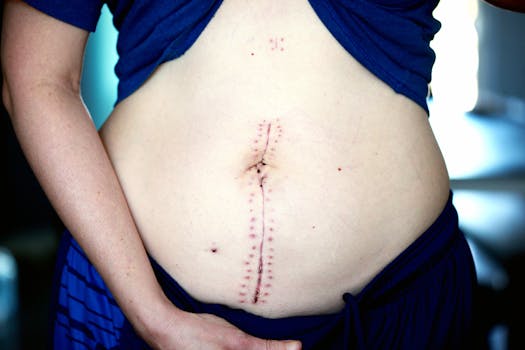
Certain plastic surgeries that are deemed medically necessary could potentially qualify as a deductible medical expense. For instance, reconstructive surgeries following a mastectomy for breast cancer patients, or procedures to address congenital conditions, injuries, or disfigurements from accidents may be eligible.
For those interested in learning about approaches to enhance their appearance beyond surgery, exploring alternatives like breast enhancement shots can provide insight into non-surgical options that could potentially fit into a different budget category.
Medical Necessity and Deductions
To qualify as a deductible medical expense, the surgery must be deemed medically necessary by a healthcare professional. This involves demonstrating that the procedure is essential for improving health or treating a specific medical condition. For taxpayers hoping to claim such deductions, proper documentation from a medical professional and detailed records of expenses are crucial.
IRS Guidelines and Cosmetic Surgery
The IRS provides specific guidelines to determine what constitutes a medical necessity. Taxpayers can refer to IRS Publication 502, which details medical and dental expenses that may qualify for deductions. It’s essential to review these IRS publications annually, as tax laws can change.
Typically, procedures that are purely elective, such as facelifts, liposuction, and other enhancements done solely for appearance, do not meet the criteria for medical necessity. However, procedures like rhinoplasty for correcting breathing issues or gastric bypass for obesity-related health problems might be considered if they meet certain conditions.
Documenting Your Procedure
Documentation plays a key role in justifying a medical deduction for cosmetic surgery. This includes keeping records of the medical recommendation for the procedure, the necessity stated by a physician, and itemized billing that clearly shows all associated costs.
Consulting with a tax professional experienced in medical deductions can help clarify whether your specific situation qualifies for tax relief. This can be especially beneficial given the complexity of determining eligibility based on IRS standards.
Additional Considerations
It is not uncommon for taxpayers to supplement their understanding of tax deductions by seeking external information. For example, the general guidelines on tax deductions and their implications are detailed on factual sites like Wikipedia’s health section, providing a broader understanding of potential health-related deductions.
Conclusion: Is Cosmetic Surgery Tax Deductible?
Ultimately, while most elective cosmetic surgeries do not qualify for deductions, it is crucial to evaluate specific circumstances where certain procedures may be considered medically essential. This determination heavily influences whether is cosmetic surgery tax deductible for you. Ensuring thorough documentation and professional guidance can facilitate the tax process and potentially uncover eligible deductions.
- Cosmetic surgery is typically not tax deductible unless it serves a medical necessity.
- Documentation from medical professionals is essential for claiming deductions.
- IRS guidelines provide criteria for what constitutes a deductible medical expense.
- Non-surgical alternatives can be explored for aesthetic enhancement without tax considerations.
- Consultation with a tax professional is recommended for personalized advice.
Can I deduct cosmetic surgery if it was for reconstructive purposes?
Yes, you may be able to deduct reconstructive surgery expenses if they were necessary for medical reasons, such as correcting a deformity or treatment following an accident or illness.
What documentation is required to deduct medical-related cosmetic surgery?
You’ll need medical records proving the necessity of the procedure and itemized financial records of the expenses incurred.
Are there other health-related tax deductions I should know about?
Yes, health-related deductions can include costs for medical treatments, prescribed medications, and necessary medical devices. Refer to IRS guidelines for a full list.
What if my cosmetic procedure was partly medical and partly aesthetic?
In such cases, the deductible portion may only cover the medically necessary part of the procedure. Consult a tax professional for detailed advice.
How do I know if my procedure qualifies as medically necessary?
A healthcare provider must declare the procedure necessary for your health, providing a documented recommendation or diagnosis that supports the claim.