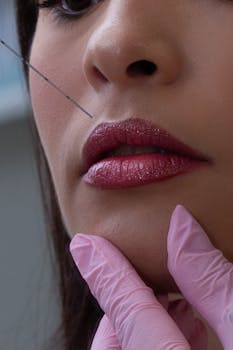
Chemical peel side effects are an important consideration for anyone thinking about this popular skin treatment. While chemical peels can rejuvenate and improve skin texture, the process involves using acids to remove layers of skin, which can sometimes lead to adverse reactions. Understanding the potential side effects and how to manage them is crucial before deciding on this procedure.
Understanding Chemical Peel Side Effects
Chemical peels are classified into three categories—superficial, medium, and deep—depending on the strength of the acid used and the amount of skin they penetrate. Each level comes with its potential side effects, ranging from minor to quite severe.
Common Side Effects of Superficial Peels
Superficial peels, often using glycolic acid or salicylic acid, are usually safe with minimal downtime. However, redness and mild irritation are frequent minor effects. For those with sensitive skin, even a superficial peel can cause prolonged redness or discomfort.
Potential Reactions from Medium Peels
Medium peels generally involve stronger acids like trichloroacetic acid (TCA). These can cause more noticeable peeling and redness. Some individuals experience temporary darkening or hyperpigmentation after a glycolic peel, especially those with darker skin tones. Using sunscreen can help alleviate this risk.
Risks Associated with Deep Peels
Deep peels provide dramatic results by penetrating into the lower dermal layer but come with significant risks. Bad chemical peel reactions such as swelling, burn spots after chemical peel treatment, infections, and even scarring can occur. Deep peels often require a longer recovery period under strict post-care guidelines provided by a dermatologist or healthcare provider.
When to See a Dermatologist
If you experience excessive pain, severe swelling, or signs of infection (such as pus or fever) following a chemical peel, it’s important to consult a dermatologist immediately. Dermatologists are trained professionals who can recommend treatments to manage these side effects or mitigate the risk of chemical peel burn scars.
Safety Concerns: Are Chemical Peels Safe?
While chemical peels are generally safe, they are not without risks. It’s essential to have them performed by qualified professionals to minimize the risk of adverse effects. Additionally, sharing your complete medical history and any skin conditions with your provider helps ensure safe treatment outcomes.
Minimizing Chemical Peel Risks
There are steps you can take to reduce the likelihood of side effects. Choosing an experienced skin care provider, following pre-treatment guidelines, and adhering to post-procedure care are crucial. This includes avoiding sun exposure, using appropriate moisturizers, and refraining from picking at peeling skin.
You can read more about various beauty treatments in our article on informed skincare choices.
Managing Redness and Irritation
Redness chemical peel effects are common but generally temporary. To soothe the skin, gentle hydrating agents and cool compresses can help. It’s also recommended to avoid using harsh skincare products until the skin fully heals.
Addressing Hyperpigmentation
For those prone to hyperpigmentation, talking to your provider about pretreatment with skin-lightening agents can be beneficial. If hyperpigmentation occurs after treatment, solutions like retinoids, moisturizers, and professional treatments like light therapy might be effective.
Preventing Bad Reactions
To prevent bad chemical peel reactions, ensure the peel is performed by a certified professional who can assess your skin type and determine the appropriate peel strength. Communication between you and your skin care provider can significantly impact the procedure’s safety and success.
Conclusion: What to Expect Post-Peel
Chemical peel side effects should not deter you if you are prepared and proceed with caution. By understanding what to expect and properly managing side effects, a chemical peel can rejuvenate the skin, offering a significant enhancement in texture and tone. Always prioritize safety by consulting with a professional.
- Chemical peels vary in intensity—superficial, medium, and deep.
- Possible side effects include redness, hyperpigmentation, and, in rare cases, scarring.
- Qualified practitioners and pre/post-care routines are vital for safety.
- Consult dermatologists for managing any persistent or severe reactions.
- Prioritize post-peel skincare, including sun protection.
FAQs
Are chemical peels safe for everyone?
Chemical peels are generally safe, but not suitable for everyone. Conditions like eczema, psoriasis, and active infections may increase risks. Consult a dermatologist to ensure safety.
What can I do about redness and irritation post-peel?
Redness is common post-peel. Apply soothing moisturizers and cold compresses, avoid harsh skincare products, and protect your skin from the sun to alleviate irritation.
How can I prevent hyperpigmentation after a peel?
To prevent hyperpigmentation, use sun protection diligently and, if necessary, consult your provider about pretreatment options with lightening agents.
What is the recovery time for a chemical peel?
Recovery varies by peel type: superficial peels may heal in a week, while medium/deep peels might take weeks, requiring careful post-care.
When should I consult a dermatologist?
If you experience severe pain, swelling, infection signs, or unfavorable results, see a dermatologist to assess and manage potential complications promptly.