CO2 laser recovery is a crucial phase following a CO2 laser treatment, widely used for skin resurfacing to address wrinkles, scars, and sun damage. Understanding the recovery process can help manage expectations and ensure optimal results. Patients often have questions about how long the healing process will take, what side effects to anticipate, and how to care for their skin during this period.
Understanding CO2 Laser Recovery
CO2 laser treatments are popular for their effectiveness in rejuvenating skin. They work by removing precise layers of skin tissue, promoting new collagen formation, and encouraging smoother, firmer skin. The recovery time varies depending on the individual’s skin type and the specific area treated. Generally, it involves redness, swelling, and peeling which can last from 7 to 14 days.
What Does a CO2 Laser Do?
CO2 lasers utilize carbon dioxide for skin resurfacing. The treatment helps reduce wrinkles, fine lines, and skin irregularities such as acne scars. By removing the outer layers of damaged skin, it encourages the layer beneath to heal and develop a smoother, more youthful appearance. Many people find improvement under the eyes, although the latest breakthroughs in skincare technology offer various alternatives as well.
Is CO2 Laser Ablative or Non-Ablative?
CO2 laser is considered an ablative laser, meaning it removes the outer layers of skin. This allows the treated area to begin healing with reduced appearances of imperfections but requires a more extensive healing process compared to non-ablative alternatives.
What to Expect During CO2 Laser Recovery?
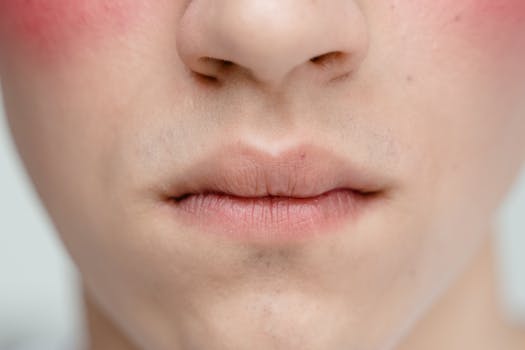
Immediate post-treatment, you might experience redness and swelling, akin to a bad sunburn. It’s common to have a swollen face after laser treatment. As you heal, skin peeling and itching may occur, signaling the shedding of old skin for new skin formation.
Managing CO2 Laser Healing Process
Maintaining moisture in the treated area promotes faster healing. Avoid direct sunlight and use sunscreen to protect sensitive skin. Your skincare routine might need to be adjusted, focusing on gentle cleansers and hydration. If you experience an unusually red face after laser treatment, it’s advisable to consult your healthcare provider.
CO2 Laser Under Eyes Recovery Time
Under eye areas often show significant improvements post-treatment. The recovery time here may be slightly shorter owing to the skin’s sensitivity. Most people notice recovery within 2 weeks, although the initial swelling and redness may fade before this.
Are Laser Facials Safe?
Yes, when performed by qualified professionals, laser facials are generally safe. They are known for enhancing the skin’s texture and overall appearance. Adhering to pre and post-care instructions significantly contributes to safety and efficacy. To learn more about advanced skincare options, explore the comprehensive overview of health methods available today.
How to Reduce Redness After Laser Treatment?
To alleviate redness, use soothing gels or creams recommended by your clinician. Aloe vera and cool compresses can provide relief. Maintaining your skin’s hydration is key, as dryness can exacerbate irritation.
Does Laser Resurfacing Hurt?
While some discomfort is expected during and after the procedure, most patients find it manageable with the topical anesthetics often used during treatment. Your healthcare provider will help manage any pain with appropriate guidance and medication if needed.
Is Laser Skin Treatment Painful?
Pain levels vary between individuals and treatment types. Non-ablative lasers generally cause less discomfort than ablative ones like the CO2 laser. Discussing pain management options with your provider ahead of time can ease any concerns.
Long-Term Results of CO2 Laser Resurfacing
A question many ask is, “How long does laser resurfacing last?” The results from CO2 laser treatments can be long-lasting, years in some cases, especially with good skincare maintenance and protection from the sun. While not necessarily permanent, they offer a substantial improvement compared to other methods.
As advancements in skincare and laser technologies continue to evolve, many patients turn to procedures that offer the promise of rejuvenated, youthful skin. Always consult with an experienced practitioner to ensure the treatment aligns with your skincare goals.
- Understanding the CO2 laser recovery process is essential for optimal results.
- Avoid sun exposure and moisturize regularly during healing.
- CO2 lasers are ablative, offering effective but more intensive treatment.
- The results of CO2 laser resurfacing can last several years.
- Always seek professional advice for personalized care and effective pain management.
FAQ
What does a laser facial do?
A laser facial helps improve the skin’s appearance by reducing wrinkles, scars, and skin irregularities using targeted laser energy.
What does laser treatment do for your face?
Laser treatment for the face aims to resurface and rejuvenate the skin, promoting a smoother and more even complexion by removing damaged layers.
Is laser safe for face?
Laser treatments, when done by certified professionals, are generally safe for the face, offering effective results with appropriate precautions.
Do laser facials work for all skin types?
Laser facials can be effective for various skin types, but an initial consultation with a professional is recommended to tailor the treatment.
What does laser resurfacing do?
Laser resurfacing removes the top layers of the skin, enhancing the texture and reducing imperfections through collagen stimulation and new cell formation.